8 Pages Burnaby

Editor & Publisher

Artom Butenko

Founder and editor of 8 Pages Burnaby. Writes the fact-dense, archival pieces — origins, infrastructure, and the documents that explain how the city works.

The Rebel Who Built Houses
People

The Rebel Who Built Houses

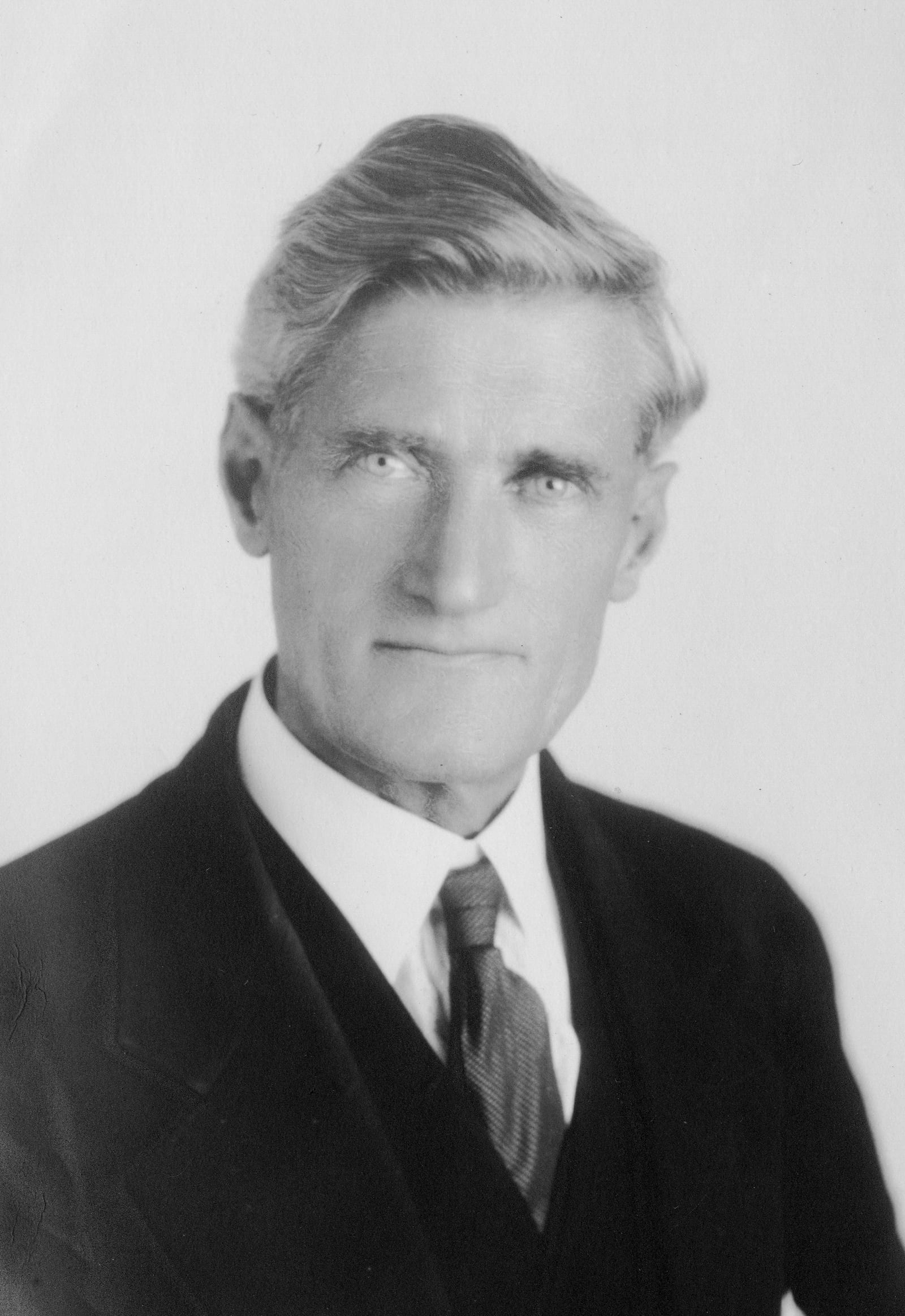
For twenty-four years the same fierce socialist represented Burnaby in the provincial legislature. He is remembered, if at all, as the father of a man who nearly became premier. His own monument is quieter: a fourteen-storey tower in Edmonds, still full of people who need a cheap place to grow old.

Artom Butenko · 6 min read

The Pioneer on the Station Sign
People

The Pioneer on the Station Sign

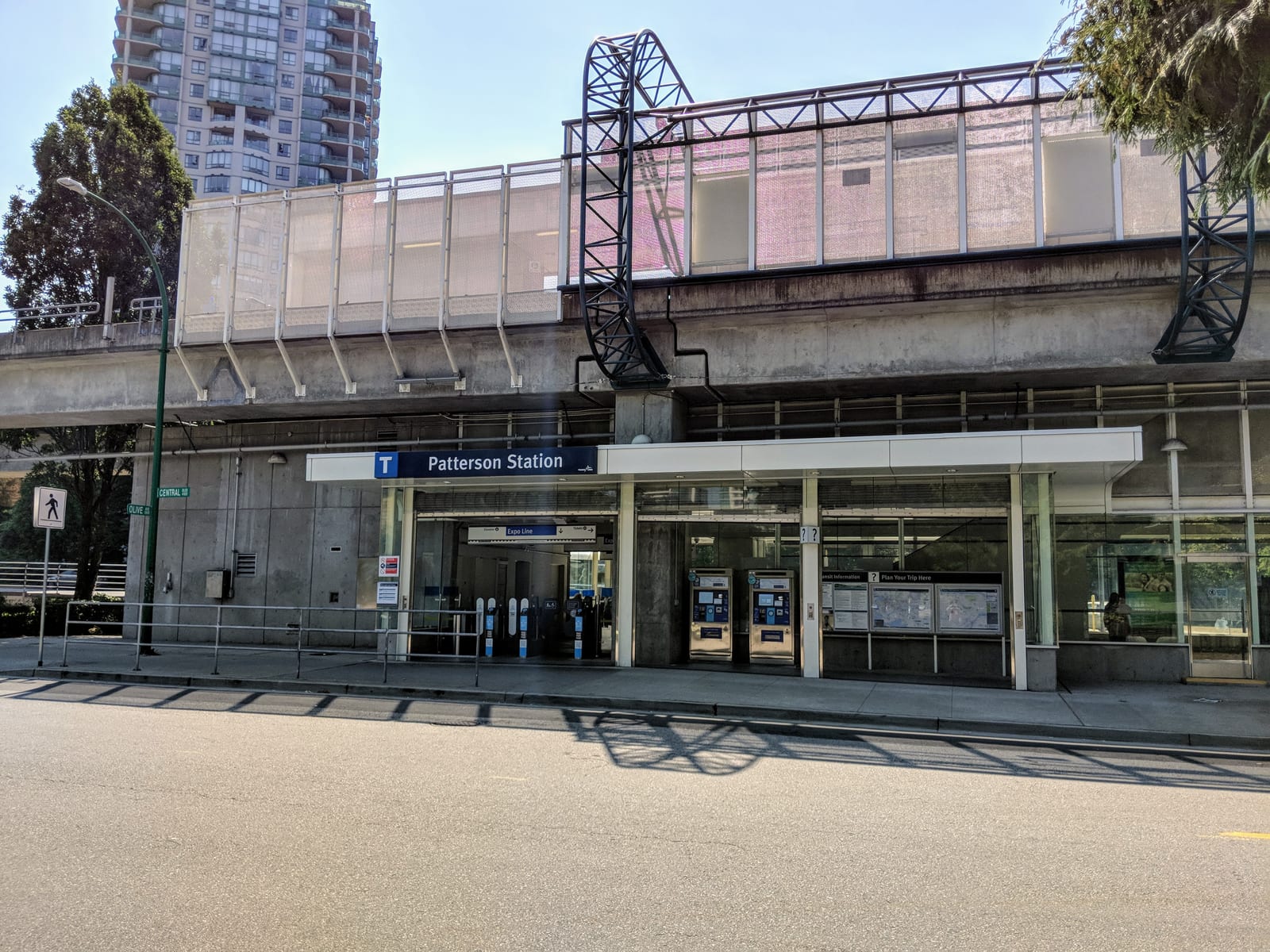
The trail Dugald Patterson cleared across his homestead became an avenue; the wooden tram platform he built became a SkyTrain station. The man himself left far less behind than the places that carry his name.

Artom Butenko · 5 min read

Twenty-Five Minutes on Inlet Drive
History

Twenty-Five Minutes on Inlet Drive

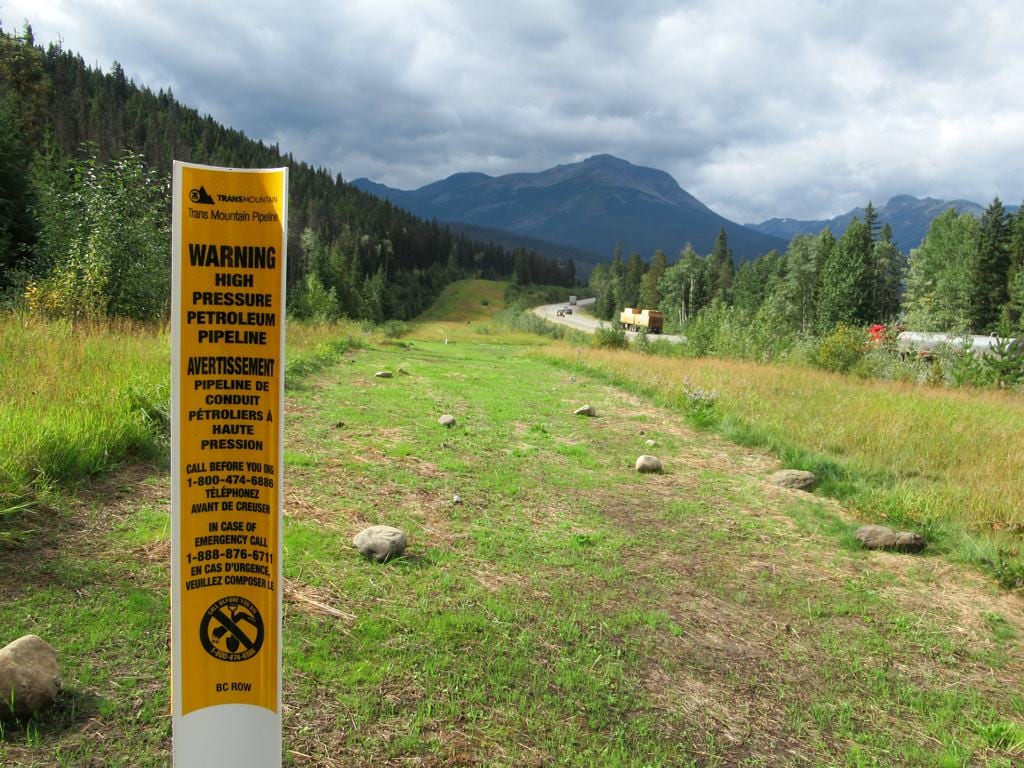
On 24 July 2007, an excavator bucket on Inlet Drive punctured a crude-oil pipeline that had been in the ground since 1953. The cause traced back to a drawing made in 1957.

Artom Butenko · 6 min read

Four and a Half Minutes at Station Square
History

Four and a Half Minutes at Station Square

On 23 April 1988, minutes into the grand opening of a new Save-On-Foods at Station Square, a section of rooftop parking deck fell into the produce department. Nobody died, and the reasons why still shape how buildings get approved in British Columbia.

Artom Butenko · 6 min read

Burnaby Joe, and the Ones Actually Born Here
People

Burnaby Joe, and the Ones Actually Born Here

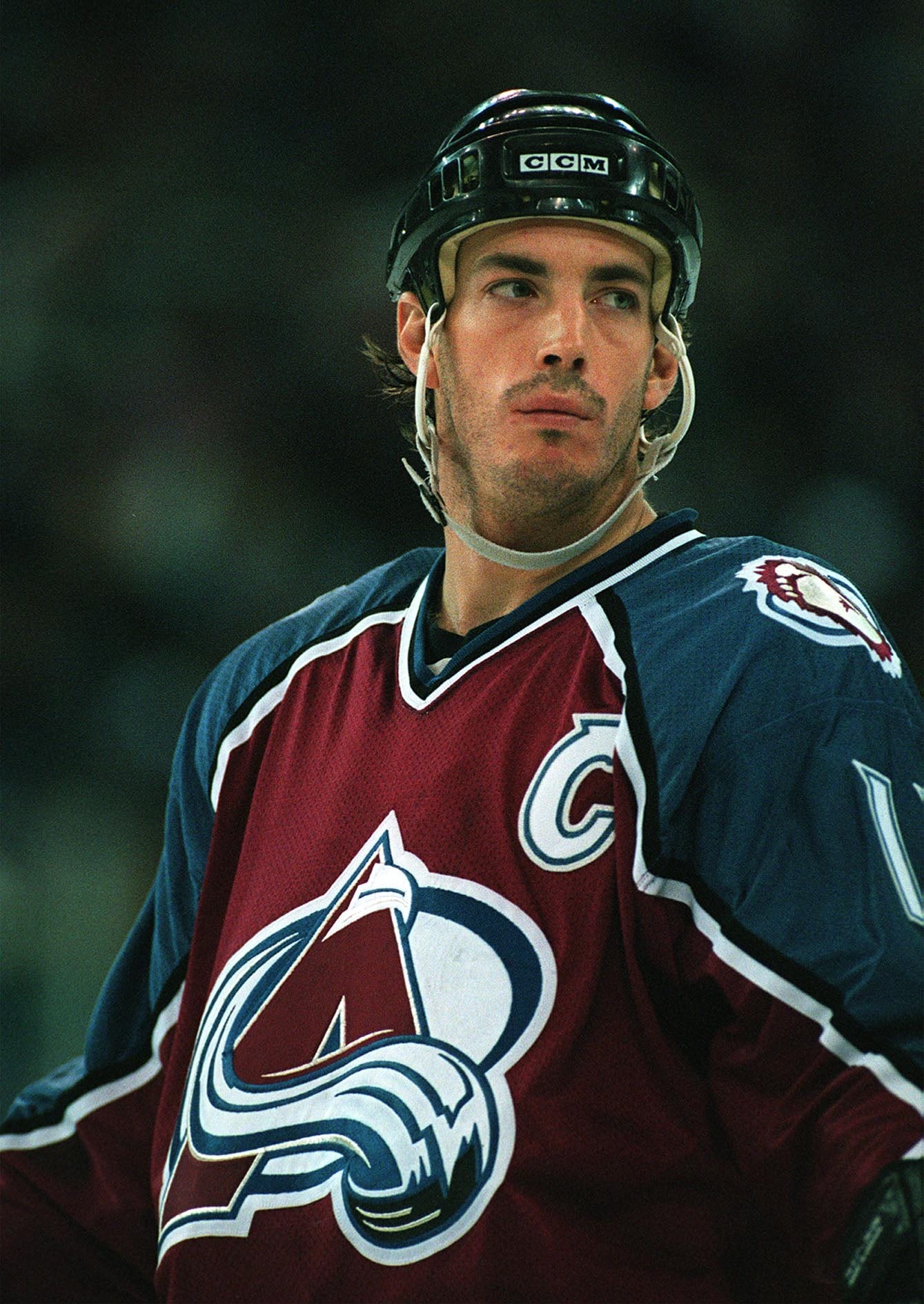
Joe Sakic turns 57 on July 7, born in Burnaby to Croatian immigrants who spoke no English at home. He is the anchor of a small, verifiable list of people who actually started here — and a correction to two names the city keeps claiming by mistake.

Artom Butenko · 5 min read

The Company Town on the Inlet
Places

The Company Town on the Inlet

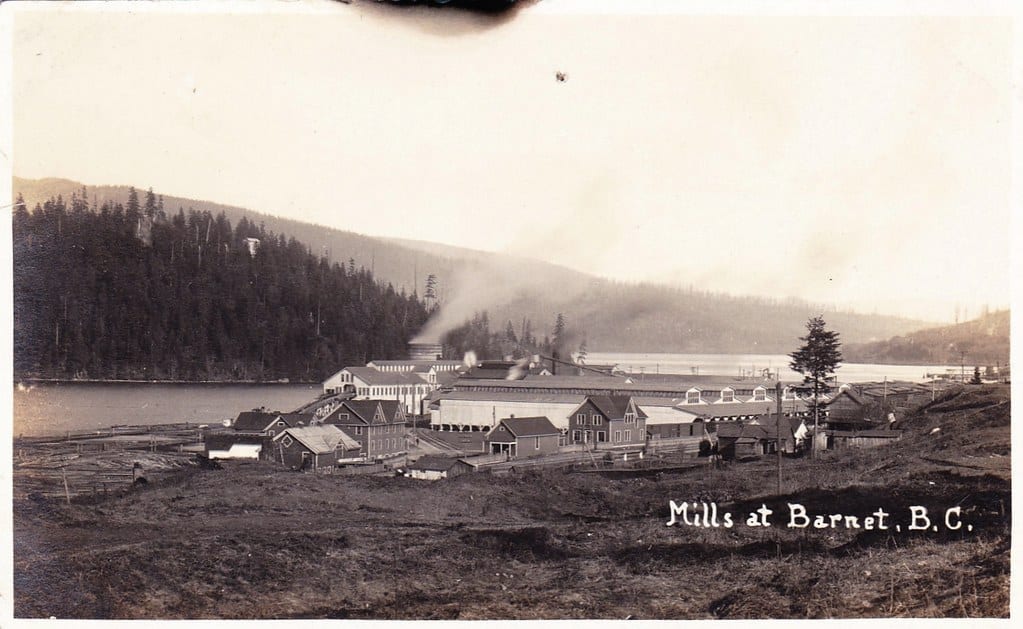
On the shore off Barnet Road, a few poured-concrete piers are all that is left of a mill town that had its own school, post office and telephone exchange — a settlement of some 350 workers that voted to strike in 1931 and never reopened.

Artom Butenko · 5 min read

The Station That Wandered
Places

The Station That Wandered

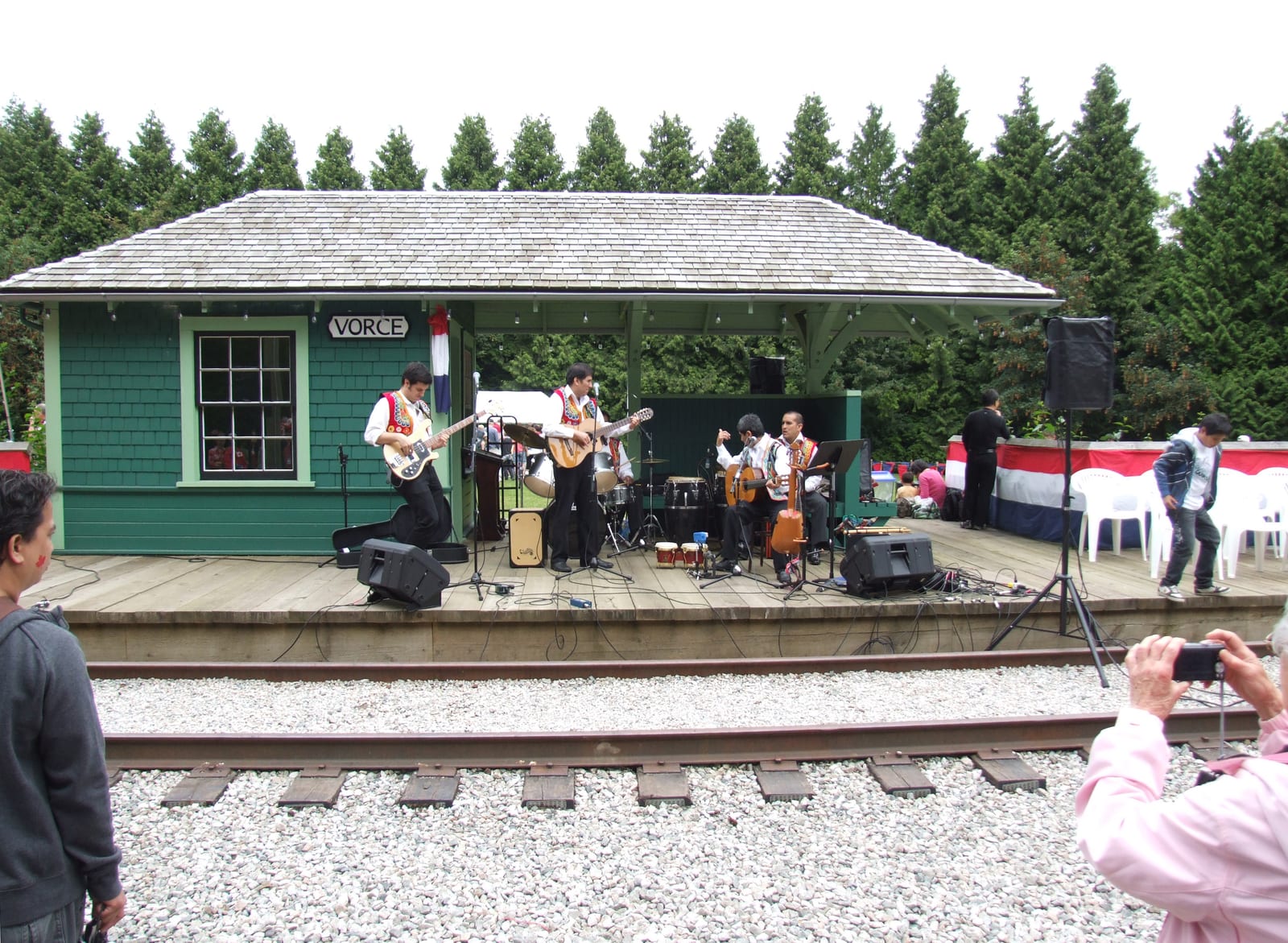
A small wooden tram shelter built in 1911 is the only piece of Burnaby's interurban railway still standing. It has moved twice by truck, and the engineer it was named for has all but vanished from the record.

Artom Butenko · 4 min read

Keys to the Centre
History

Keys to the Centre

On 22 June 1956, a contractor handed Reeve Charles MacSorley the keys to a new municipal hall at 4949 Canada Way, near Deer Lake. The site had been chosen two years earlier by a simple rule: put the seat of government where neither half of Burnaby could complain it favoured the other.

Artom Butenko · 5 min read

The Loves of Cumberland Road
History

The Loves of Cumberland Road

In 1893, an English dairy worker who had crossed the country on the first transcontinental train bought fourteen acres of logged-over land in East Burnaby and planted an orchard. He raised eleven children in the house he built by hand, sold strawberries to Vancouver hotels, and sat on the council of a municipality barely older than his youngest child. The house still stands.

Artom Butenko · 6 min read

From Stony Mountain to City Hall
People

From Stony Mountain to City Hall

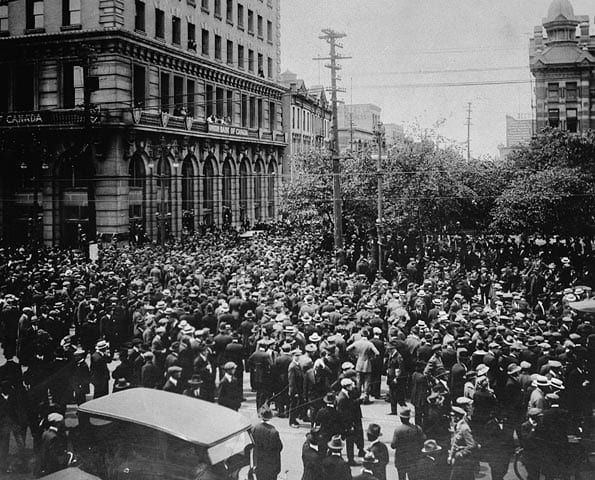
Convicted of seditious conspiracy after the 1919 Winnipeg General Strike, William Pritchard served a year in Stony Mountain Penitentiary, settled on Capitol Hill in 1922, and was elected Reeve of Burnaby in time to watch the municipality go bankrupt and lose its elected council to a provincial commissioner.

Artom Butenko · 6 min read

The Point Beneath the Museum
History

The Point Beneath the Museum

A single stone projectile point, pulled from a midden in 1894 on the slope where the Burnaby Village Museum now sits, carries a date the museum gives as somewhere between 1,000 and 2,630 years old.

Artom Butenko · 4 min read

Nikkei Place: The Garden Built for Healing
Places

Nikkei Place: The Garden Built for Healing

The architect who designed the building was interned as a child. The land was purchased with redress money. The opening date was chosen to mark the anniversary of an apology. Inside are 670 recorded voices and 52,500 photographs from a community that lost everything and built this anyway.

Artom Butenko · 9 min read

The Octagon on Canada Way: Inside Burnaby's Ismaili Centre
Places

The Octagon on Canada Way: Inside Burnaby's Ismaili Centre

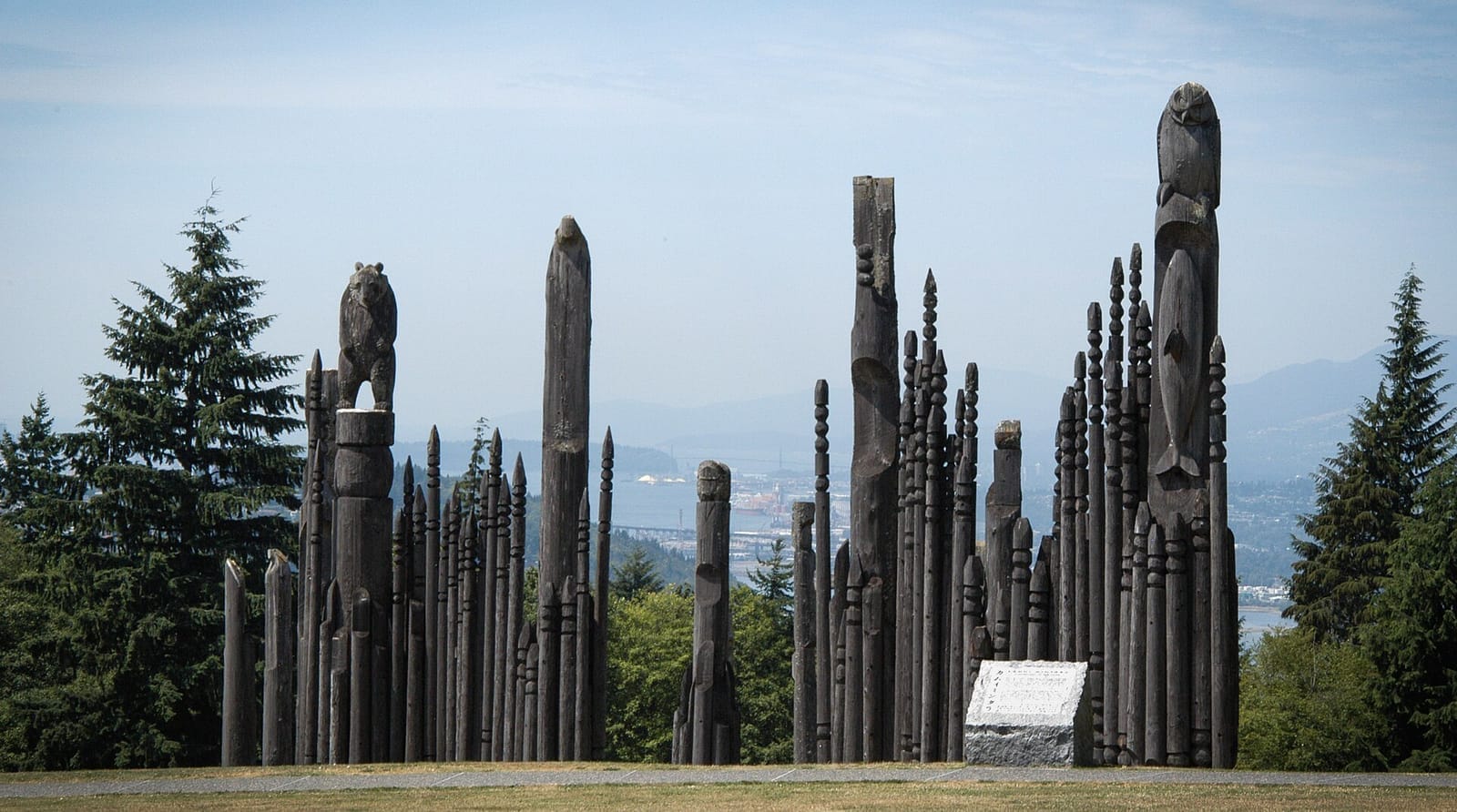
In 1985, the Aga Khan and the Prime Minister opened a building shaped like a prayer. Bruno Freschi designed it around a single geometric form — the octagon, "where the centre is everywhere, and everyone is in the centre." Thirteen years earlier, President Idi Amin had expelled the community that would fill it.

Artom Butenko · 6 min read

Ian James Corlett: The Man Who Made a Cartoon About His Street
People

Ian James Corlett: The Man Who Made a Cartoon About His Street

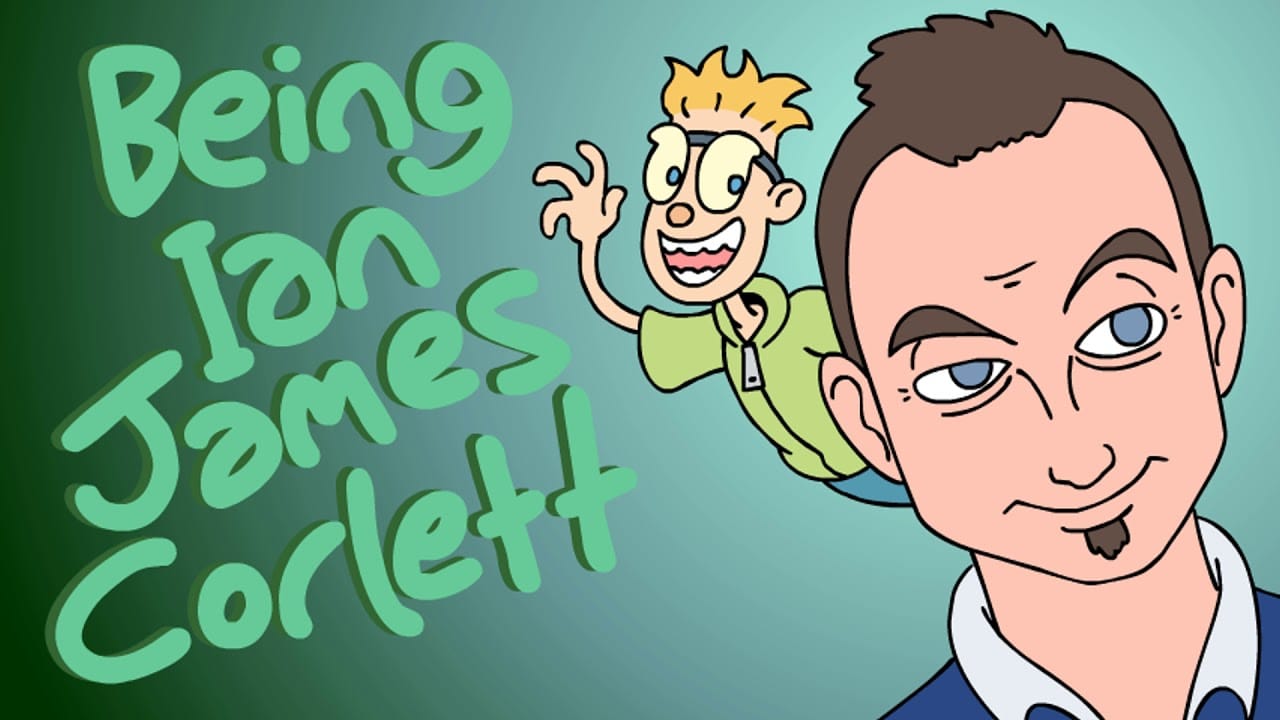
He voiced Goku, left over a pay dispute, and went home to Burnaby to create a cartoon about growing up on Royal Oak Avenue. The piano store became a keyboard shop. The house became a drawing. The city became sixty-five episodes of a show that YTV aired for three years and then forgot.

Artom Butenko · 5 min read

Digney Speedway: The Racetrack Under Metrotown
History

Digney Speedway: The Racetrack Under Metrotown

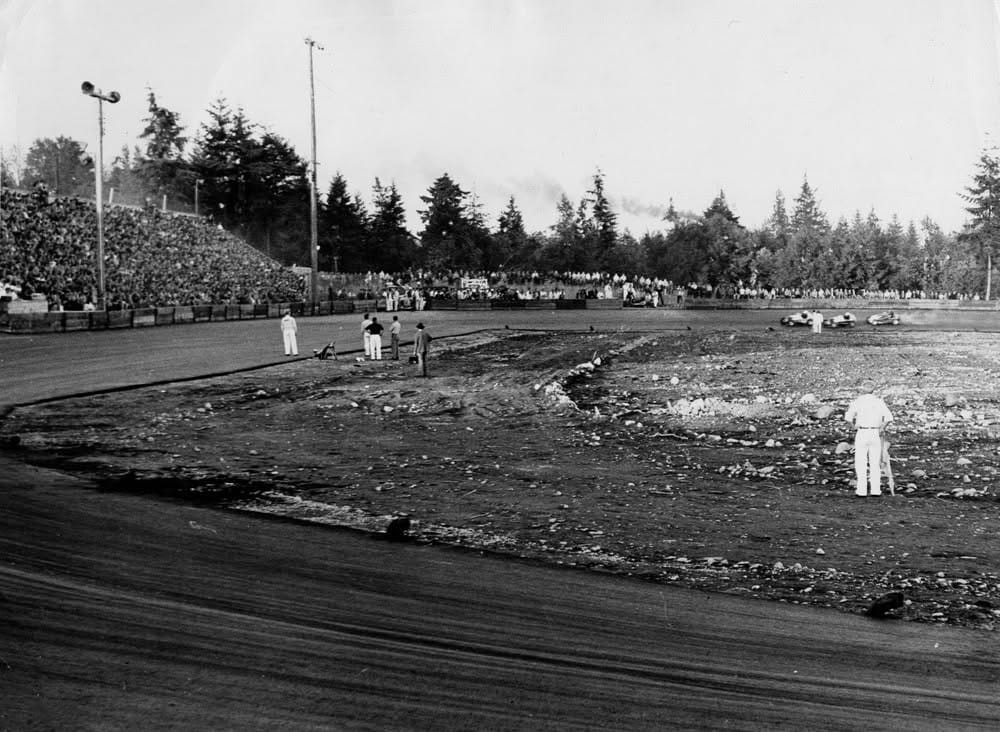
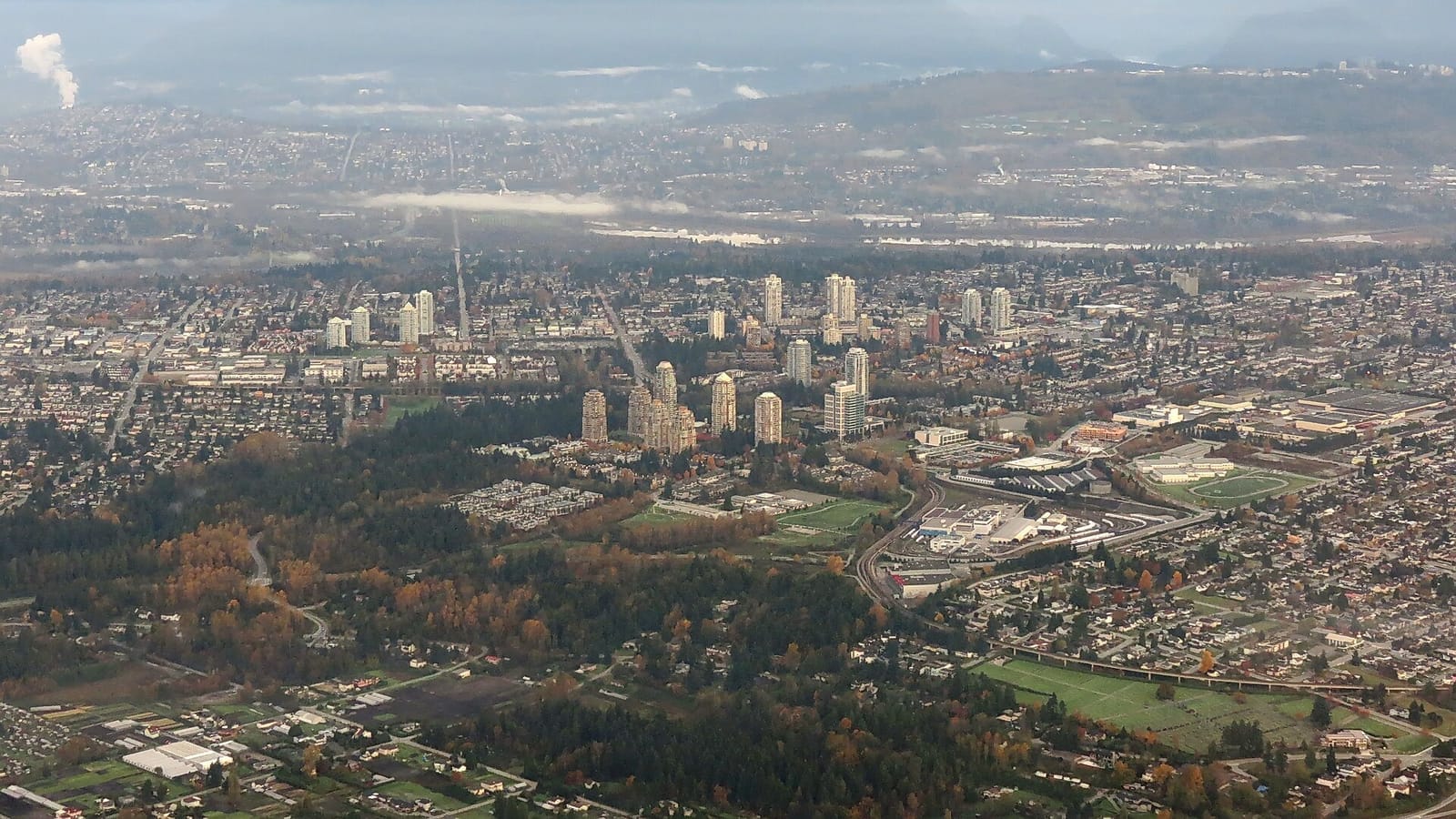
On July 8, 1948, Andy Digney opened a quarter-mile oval with grandstands for 4,500. Men bought 1930s cars, welded the doors shut, and raced. By 1958 the track was gone. Towers stand on the site now.

Artom Butenko · 6 min read

How Burnaby Got Its Names
Culture

How Burnaby Got Its Names

Edmonds: a Dublin speculator who built a tramway to inflate his own land prices. Gilmore: a bureaucratic typo that replaced a politician's real name forever. Metrotown: a term borrowed from a Baltimore urban planning report. Sperling: it was Pole Line Road until someone renamed it after the electricity company's manager. Every name is an act of power somebody forgot to explain.

Artom Butenko · 7 min read
Willingdon Heights: Canada's Largest Veteran Housing Project
History

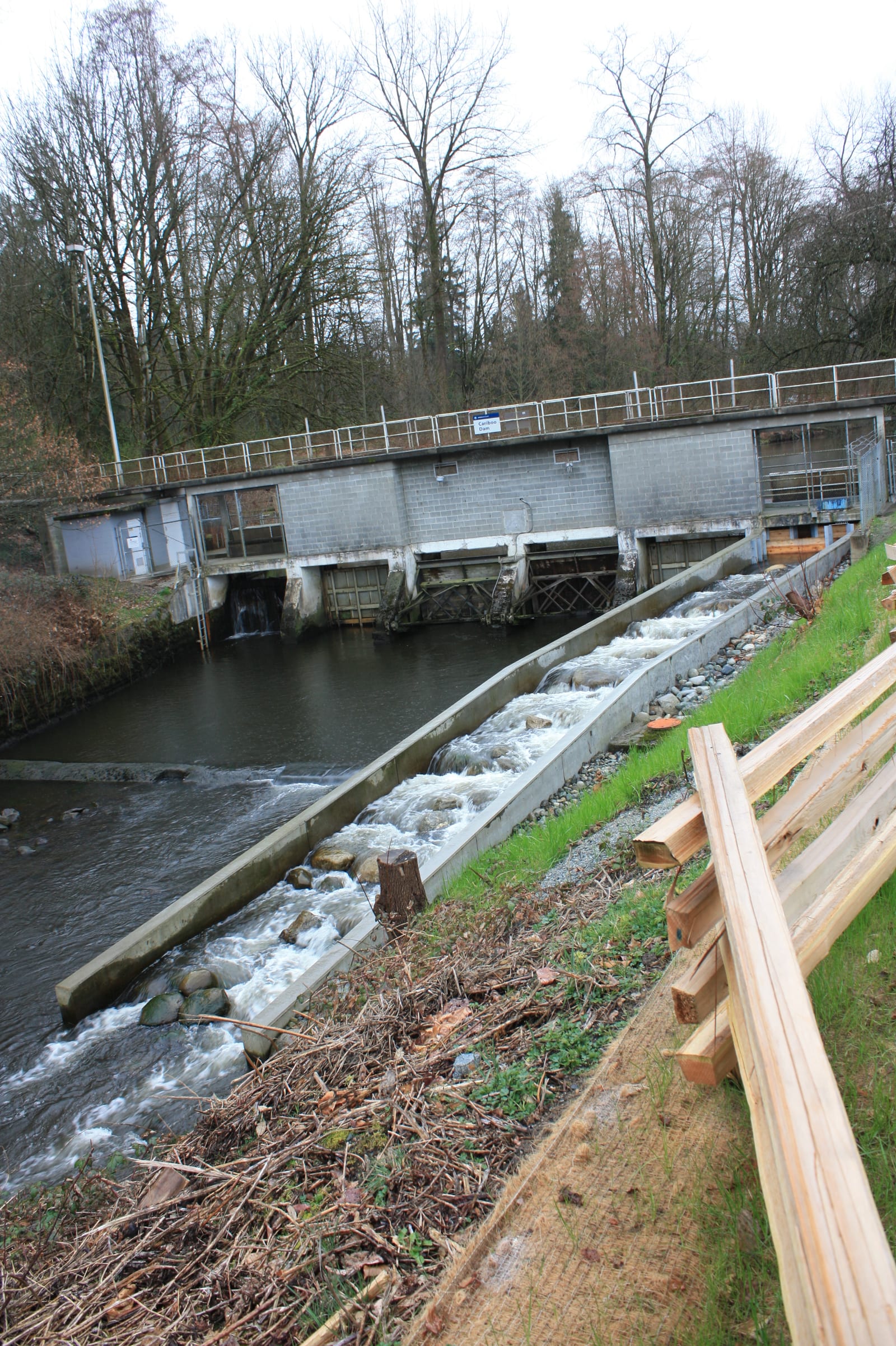
Willingdon Heights: Canada's Largest Veteran Housing Project

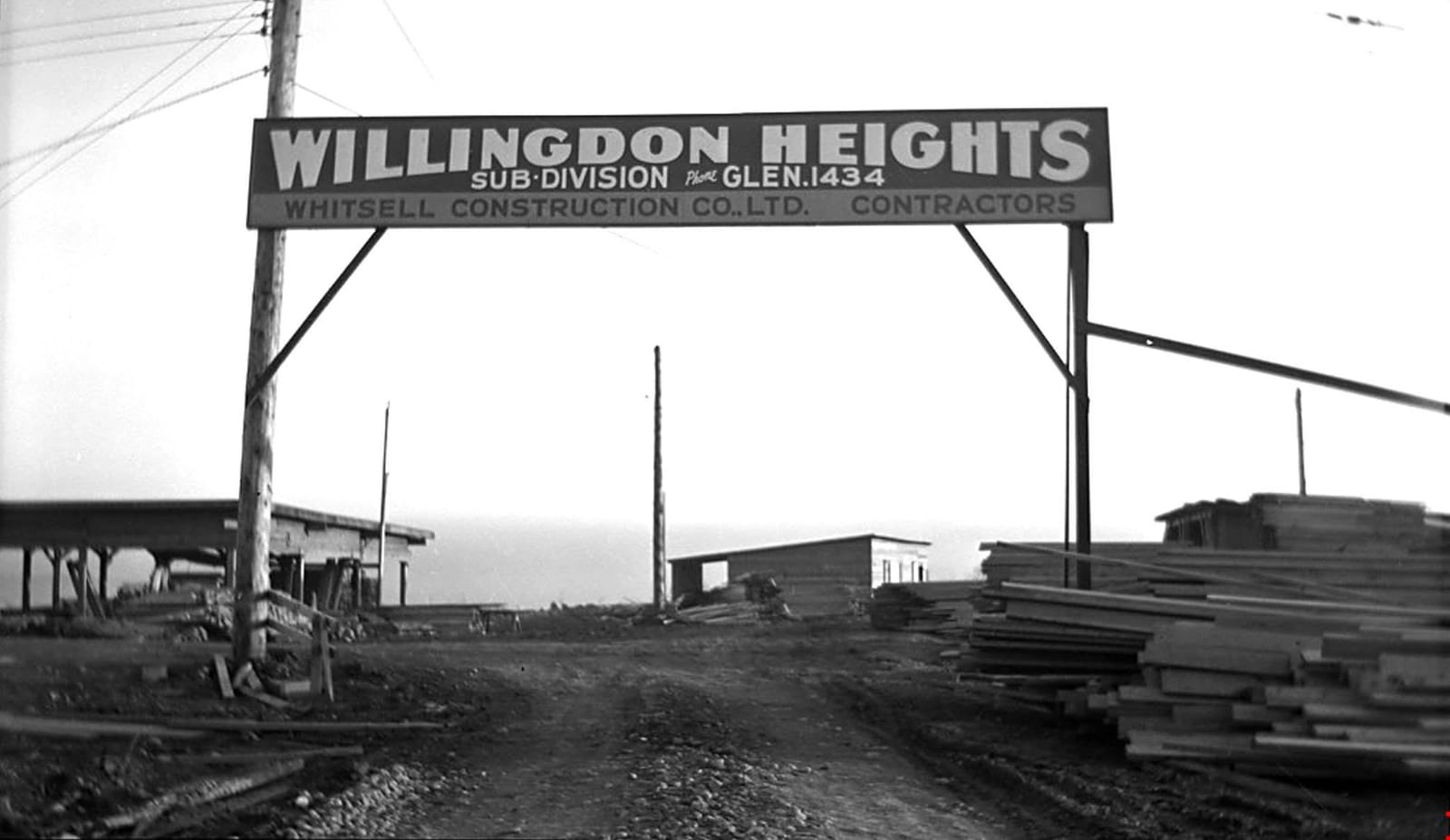
In 1946, five hundred houses went up in North Burnaby in eighteen months. Ninety per cent of the first residents were veterans who had come home from the war and needed somewhere to live. The brochure called it "the largest single veteran housing project in Canada." Now the province says the lots are too big for one family.

Artom Butenko · 6 min read

The Chinese Market Gardens of Big Bend
History

The Chinese Market Gardens of Big Bend

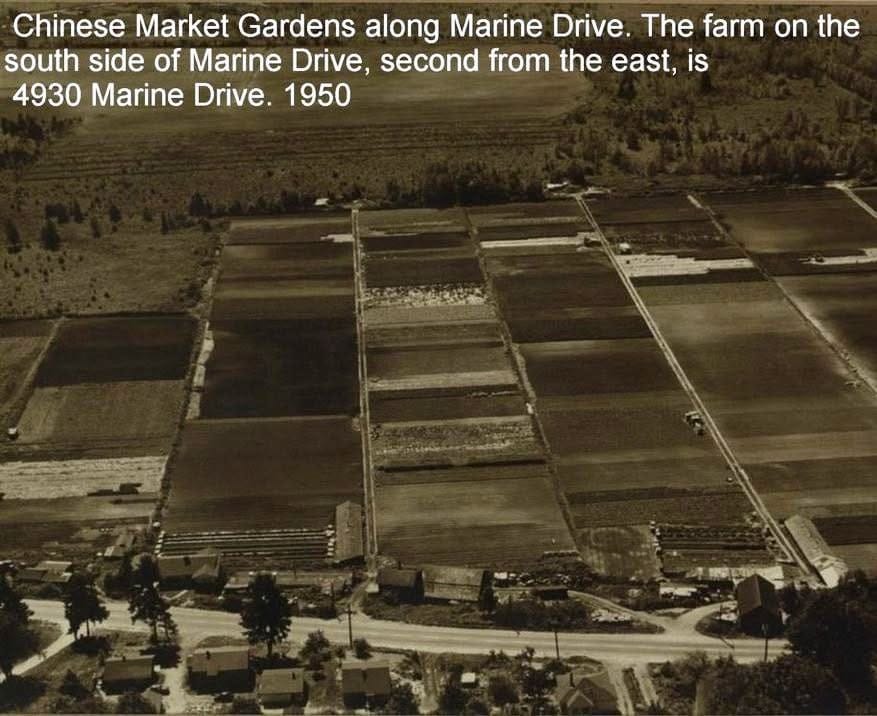
In the 1890s, Chinese farmers leased land nobody else wanted and turned cranberry marshes into the most productive vegetable farms in the region. By 1921, they supplied ninety per cent of British Columbia's vegetables. They were barred from voting, owning property, and holding municipal jobs. Twenty-seven of their farms may still be operating.

Artom Butenko · 7 min read
Oakalla: The Prison That Became a Neighbourhood
History

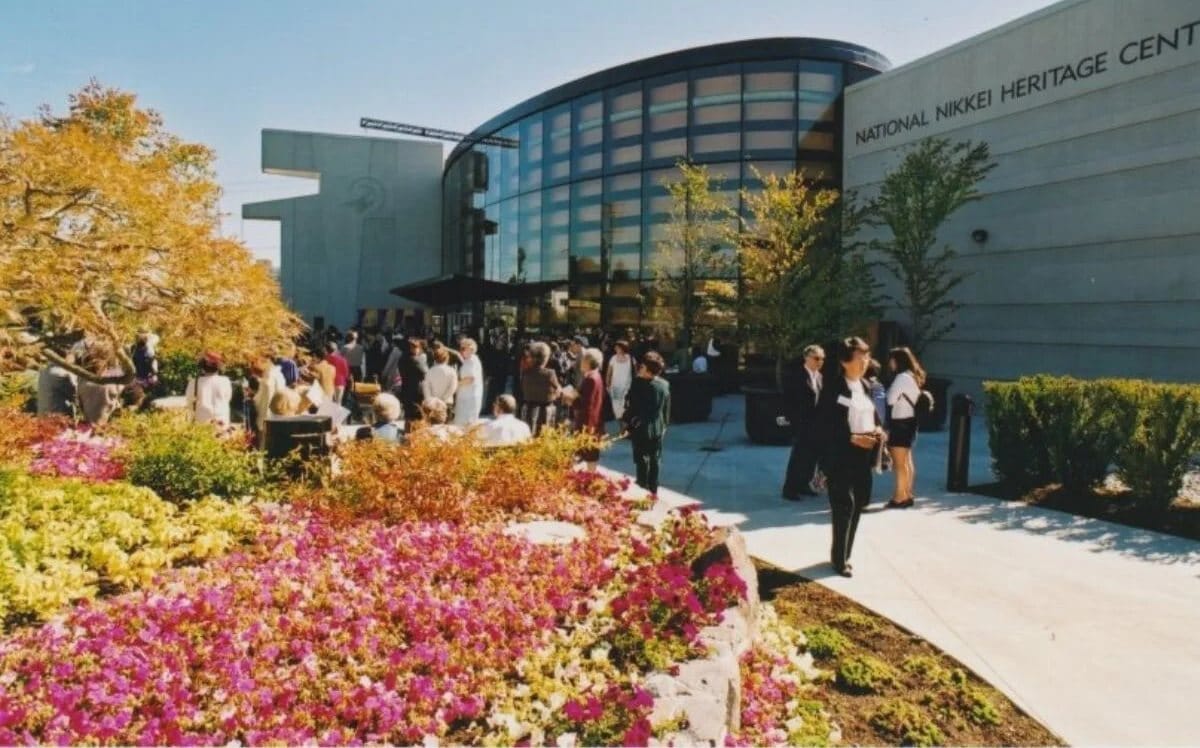
Oakalla: The Prison That Became a Neighbourhood

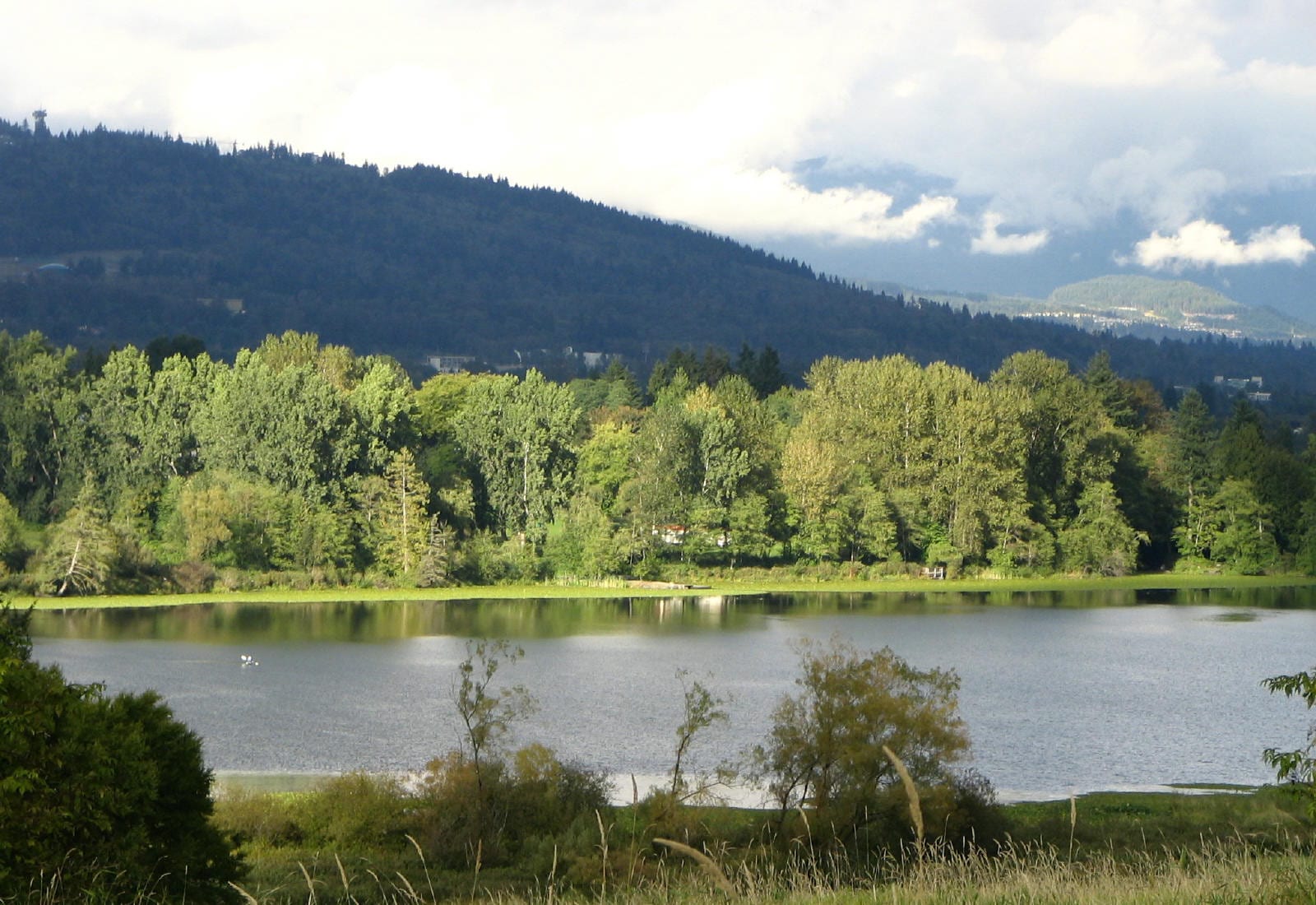
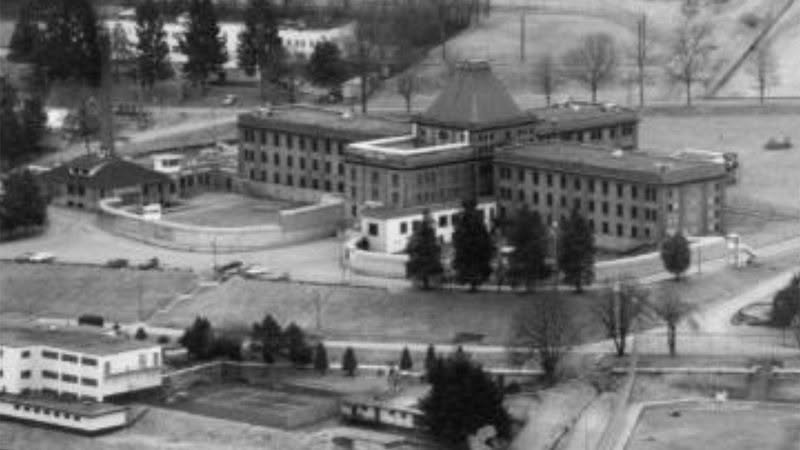
For eighty years, a 185-acre prison farm stood beside Deer Lake. Inmates grew vegetables, milked cows, and were hanged in an abandoned elevator shaft. A doctor gave them new faces. A punk bassist served time in the cells. When the last inmates left in 1991, the city tore everything down and sold townhomes on the land. The bricks from the cellblocks line the new walkways.

Artom Butenko · 8 min read

The Boxer, the Interpreter, and the Coloured Section
History

The Boxer, the Interpreter, and the Coloured Section

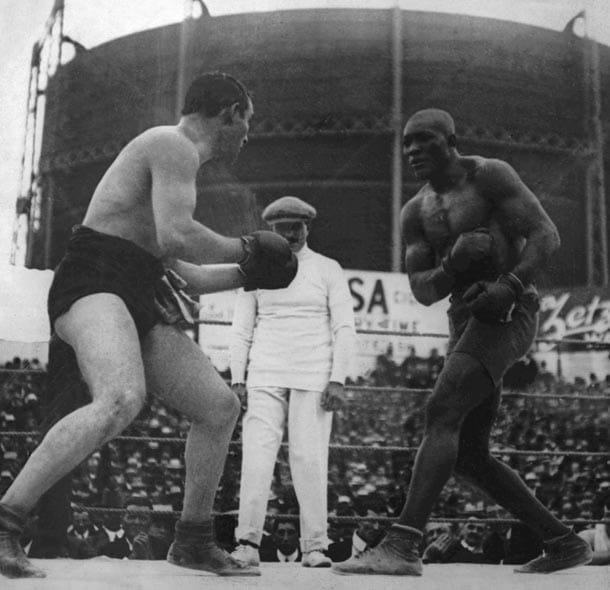
Ocean View Burial Park was established in 1918 as Burnaby's first non-sectarian cemetery, receiving its first interments the following year. In 1929, it created a section for "any person of colour." Buried there: the first Chinese-born Canadian, a court interpreter who fought for rights he was never granted in life. Nearby, in a pauper's grave: the only Canadian-born world heavyweight boxing champion, five-foot-seven and ordained.

Artom Butenko · 7 min read
The Secret Submarines of Barnet Beach
History

The Secret Submarines of Barnet Beach

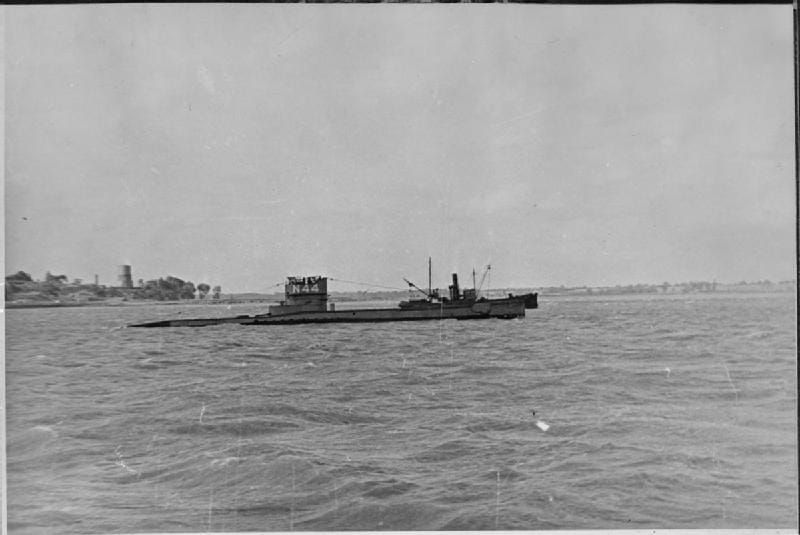
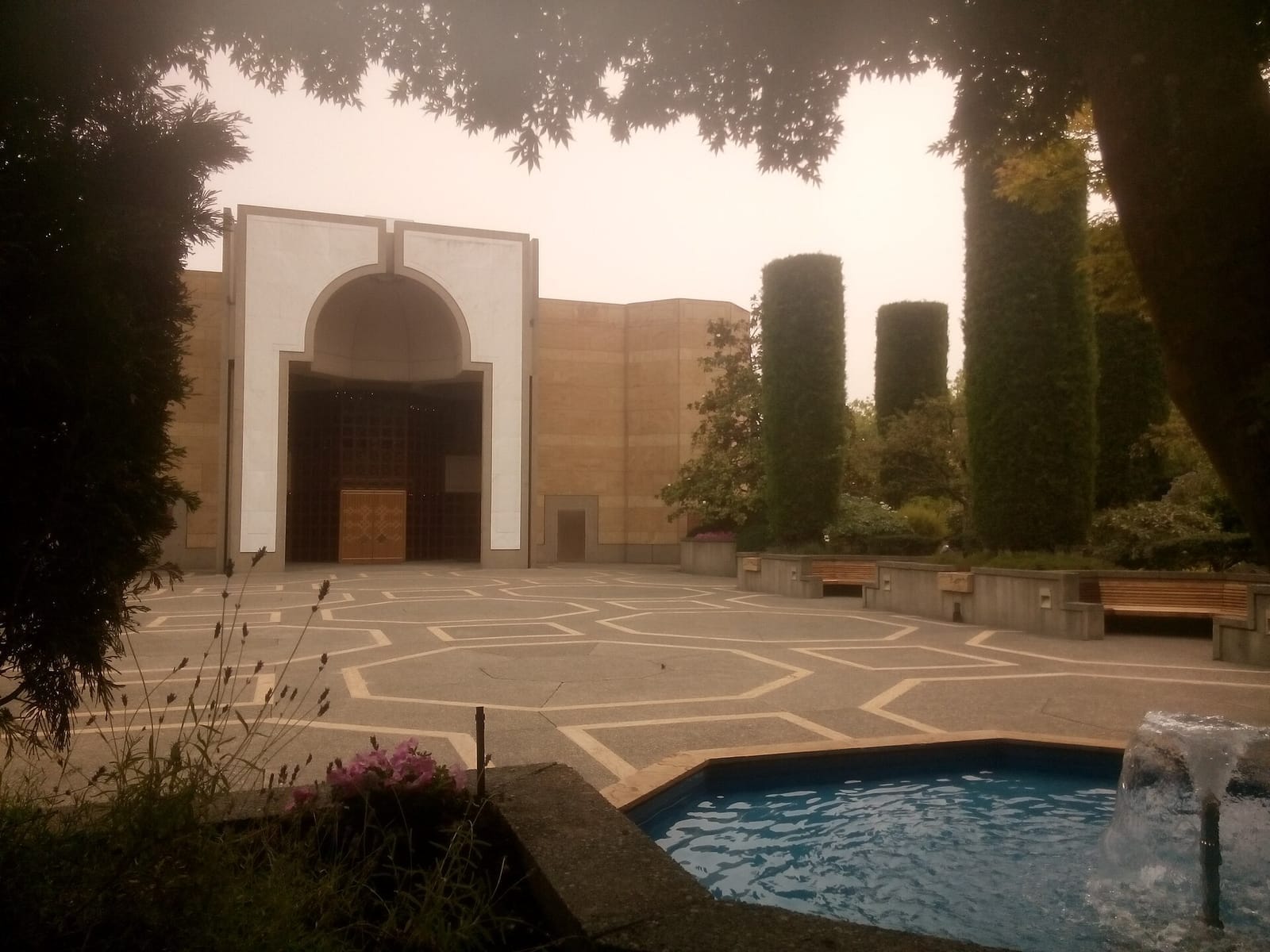
During the First World War, 460 workers assembled submarine hulls for the Russian Imperial Navy on a Burnaby beach. The official story was barges. Guards patrolled behind barbed wire. Three hulls were finished before the Revolution ended the contract in 1917.

Artom Butenko · 5 min read
What Edmonds Tastes Like
Culture

What Edmonds Tastes Like

Afghan halal beside Serbian sausage beside Sudanese groceries beside Ethiopian injera. The most diverse neighbourhood in Metro Vancouver tells its story through food. Every storefront on this South Burnaby strip is somebody's first chapter in Canada.

Artom Butenko · 5 min read
Ten Thousand Crows
Nature

Ten Thousand Crows

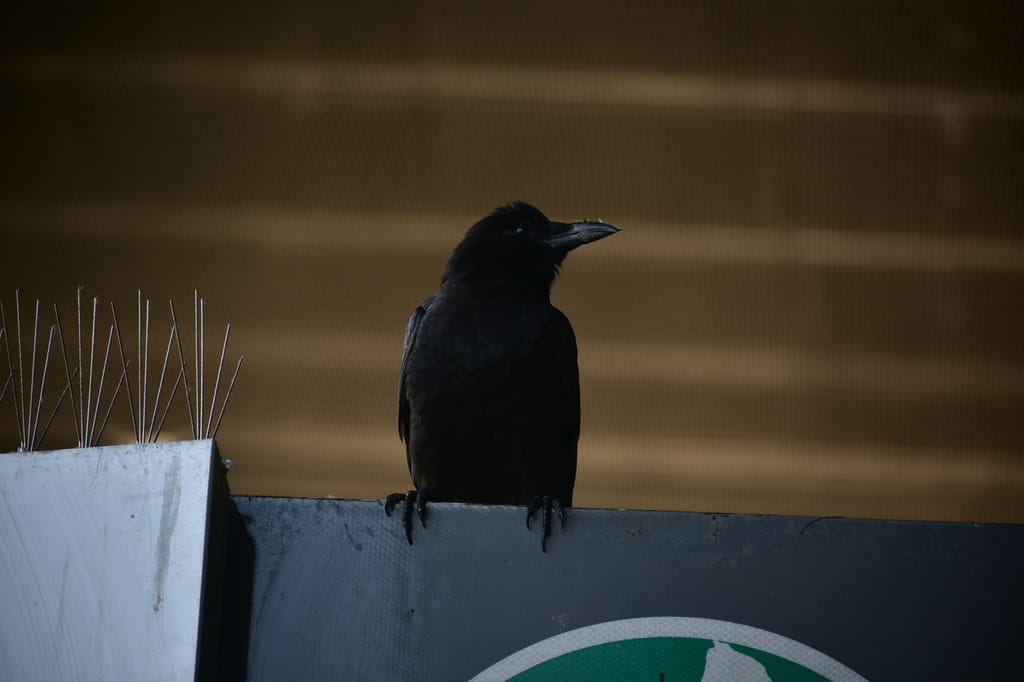
Every winter evening, up to fifteen thousand crows from across Greater Vancouver converge on a roost beside a Burnaby highway interchange. They have been doing this since the 1970s. Nobody fully understands why.

Artom Butenko · 5 min read
What Remains of Expo 86 in Burnaby
Places

What Remains of Expo 86 in Burnaby

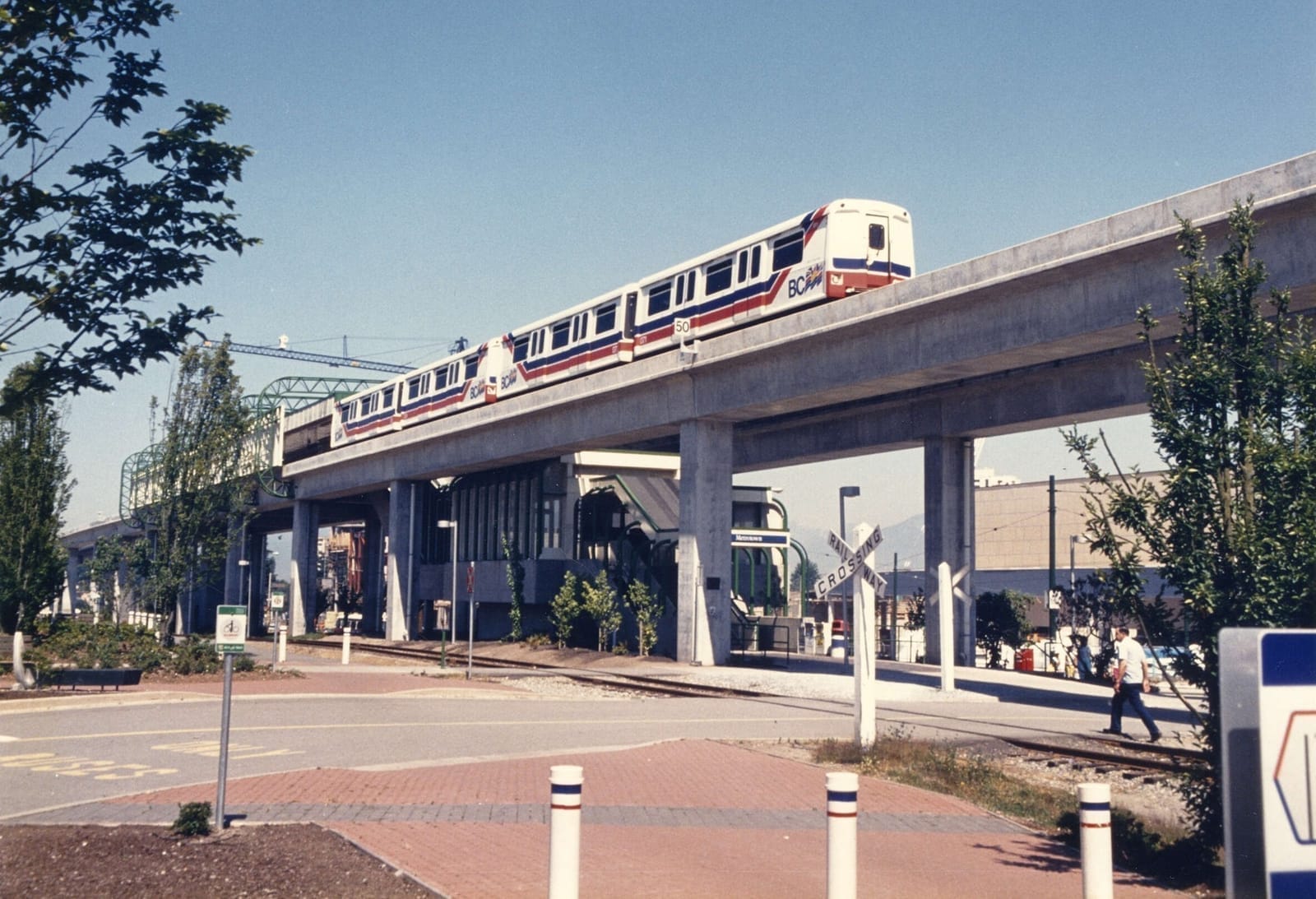
Forty years ago, a world's fair transformed Vancouver. But its true legacy isn't the pavilions or the fireworks. It's the concrete pillars carrying trains above Burnaby's streets every day. It's the route you may have taken this morning.

Artom Butenko · 10 min read
The Beginning of Burnaby
History

The Beginning of Burnaby

On September 22, 1892, a scattered collection of farms and logging camps voted to become something more. What changed when Burnaby broke away from New Westminster?
Artom Butenko · 8 min read