Kamui Mintara: The Dying Sculptures on Burnaby Mountain
**
Deck: In 1990, an Ainu sculptor from Hokkaido carved a hundred logs into gods on a Burnaby mountaintop. The bear watches over the village. The owl protects it. The orca roams free. Thirty-five years later, the sculptures are rotting from the inside. One section has already collapsed. Nobody has decided what to do.
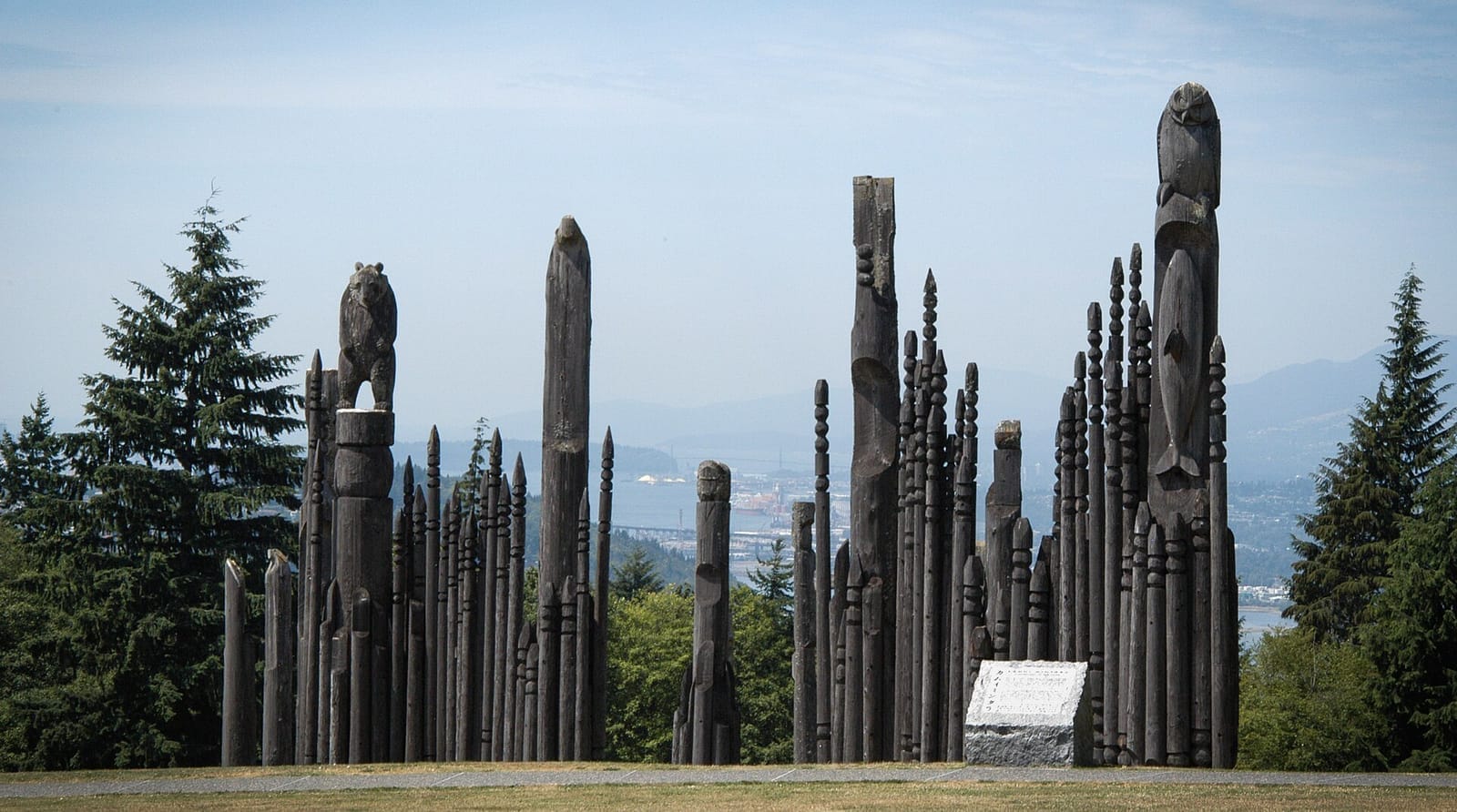
Nuburi Toko arrived on Burnaby Mountain in May 1986, looked west toward the Pacific, and decided to put gods there.
He had come from Kushiro, Hokkaido, with a delegation marking the twentieth anniversary of its sister-city relationship with Burnaby — a bond that dated back to 1965, when Mayor Alan Emmott signed the original agreement. Toko was a sculptor. He had owned an art store in Kushiro for over twenty-five years. He carved in red cedar, always the same subjects: bears, owls, orca, the spirits the Ainu call kamuy. The mountain's western exposure reminded him of the Daisetsuzan range, sacred to the Kamikawa Ainu. He proposed a sculpture garden to the mayor of Burnaby before he left.
Three years passed.
A carpenter and a hundred logs
In the fall of 1989, Toko returned to Burnaby with his son, Shusei. Phil MacGregor, a City of Burnaby carpenter, was assigned to assist them. The three men worked through the winter — wet months, short days, the mountain fogged in more often than not — carving dozens of cedar poles into figures drawn from Ainu cosmology. In that system, every natural thing is a spirit sent from Kamuy mosir, the land of the gods, to Ainu mosir, the human world. The spirits arrive disguised as bears, cranes, trees, wind. They are visitors, not residents. When their task is done, they return.
The sculpture garden was unveiled in 1990 for the twenty-fifth anniversary of the Burnaby-Kushiro relationship. Toko named it Kamui Mintara — "playground of the gods." The name references a specific alpine meadow in the Daisetsuzan, a place the Kamikawa Ainu considered the space where deities gathered.
Two terraces. The upper one, called "Gods and People Together," holds a bear — the god of the mountain — and an owl, the protector of the village. The lower terrace opens toward the sea. Four orca sculptures. A gateway called "The Gateway to the Ocean," an orca mounted on four poles. At the far left edge, a gesture toward the west: the direction of Kushiro, three time zones and an ocean away.
Toko put it plainly: "It is because I am the Ainu myself and a man that I carve. I do want you to understand through my carvings the ways of thinking, living and ideas of the Ainu people who have been living with the gods, and loved peace, living things, human beings and nature. Carving is my language and Yukar."
Yukar are the oral epics of the Ainu. He was saying his carvings were stories.
The question of decay
There is an argument — a real one, with precedent — that the sculptures were always meant to die.
Bikky Sunazawa, another Ainu artist and a rough contemporary of Toko's, spent three months in British Columbia in 1983 working alongside Bill Reid, the Haida sculptor. Sunazawa had been drawn to the Northwest Coast totem poles, which share certain formal qualities with Ainu carving but belong to a completely separate tradition. Totem poles are not an Ainu form. The exchange between Sunazawa and Reid was genuine cross-Indigenous dialogue, two artists from opposite sides of the Pacific recognizing something in each other's work.
Sunazawa created outdoor sculptures that he expected to rot. He said so: "Nature uses the chisels called wind and snow on the work standing here." For Sunazawa, decay was the final collaboration between the artist and the world. The wood returns to the earth. The spirits go home.
Toko may or may not have held the same view. He died in 2014. Nobody recorded his position on preservation.
The fungus
Walk up to the site now and you hit chain-link fence before you reach the first pole. The bear is still visible from behind the barrier, rain-darkened, its grain raised and soft. Moss has taken the lower carvings. The cedar smells like cedar — that part hasn't changed.
A February 2025 report to the City of Burnaby's committee laid out the facts without drama. Regular maintenance of the Kamui Mintara sculptures was "no longer effective." The rot was internal — fungal, spreading through the wood from the base up, invisible until a pole gave way.
The timeline of failure: In 2007, the "Whole Ocean" section of the lower terrace collapsed during a windstorm. Active fungal rot had hollowed it from inside. In 2021, another pole had to be removed and placed in storage after inspectors found the ground around it "completely infiltrated" with fungal rot. Twenty-nine poles remain standing. All show widespread deterioration.
The committee approved $50,000 to $80,000 for a full structural assessment, with work planned for May 2025. Three options on the table: renew, replace, or decommission. The report specified that community engagement would include Ainu advisors and local host Nations.
As of early 2026, no public updates have appeared since the February 2025 report. Whether the May 2025 assessment took place is unclear. The city has not announced a decision. The fence stays up.
What stands between the options
Renewal would mean re-carving damaged poles, presumably in the same style, presumably by someone other than Toko. He is dead. Shusei, his son, would be the natural choice — if he were willing, if the city could fund it, if the Ainu community in Hokkaido considered it appropriate for someone else to repair a dead man's spiritual work. These are real questions. They don't have obvious answers.
Replacement raises a different set of problems. A new installation would require a new artist, a new design, new consultations with the Kushiro community and with the Squamish, Tsleil-Waututh, and Musqueam Nations on whose unceded territory the mountain sits. The 2025 report acknowledged this. It did not estimate the cost.
Decommissioning means letting the sculptures go. Removing what remains. Filling in the post holes. Putting up a plaque, maybe. This would be the cheapest option and the one most consistent with Sunazawa's philosophy — though Sunazawa was not Toko, and applying one Ainu artist's beliefs to another's work is the kind of shortcut that looks tidy from the outside.
Kushiro Lane and the ongoing tie
On July 13, 2025, Burnaby opened Kushiro Lane, a small street named for the sister city, marking the sixtieth anniversary of the relationship. The gesture was modest. A lane. A sign.
The sculptures on the mountain are a larger gesture — or were. Thirty-five years of rain and wind and fungal spores have turned Toko's gods into a problem that appears on committee agendas. The bear still watches. The owl still guards. But the orca that collapsed in 2007 is gone, and the poles that remain are standing on borrowed structure.
Nuburi Toko called his carvings a language. Languages die too, when nobody speaks them. UNESCO classifies the Ainu language as critically endangered. Fewer than ten native speakers may remain.
The sculptures on Burnaby Mountain are rotting from the inside in a way that cannot be seen until something falls. The site is fenced. The bear still faces west. The view from the upper terrace reaches all the way to Kushiro, if you know where to look.
Editor & Publisher
Artom Butenko
Founder and editor of 8 Pages Burnaby. Writes the fact-dense, archival pieces — origins, infrastructure, and the documents that explain how the city works.
More from May 2026
Full issue →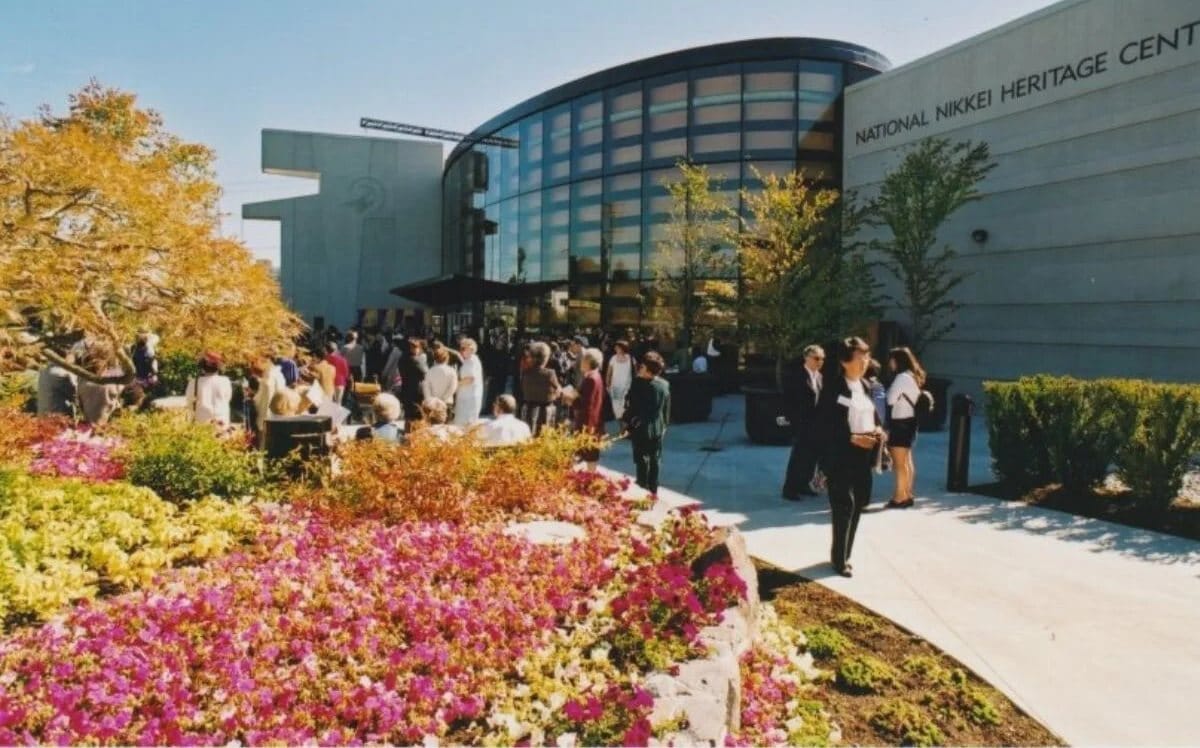
Nikkei Place: The Garden Built for Healing
The architect who designed the building was interned as a child. The land was purchased with redress money. The opening date was chosen to mark the anniversary of an apology. Inside are 670 recorded voices and 52,500 photographs from a community that lost everything and built this anyway.
Artom Butenko · 9 min read
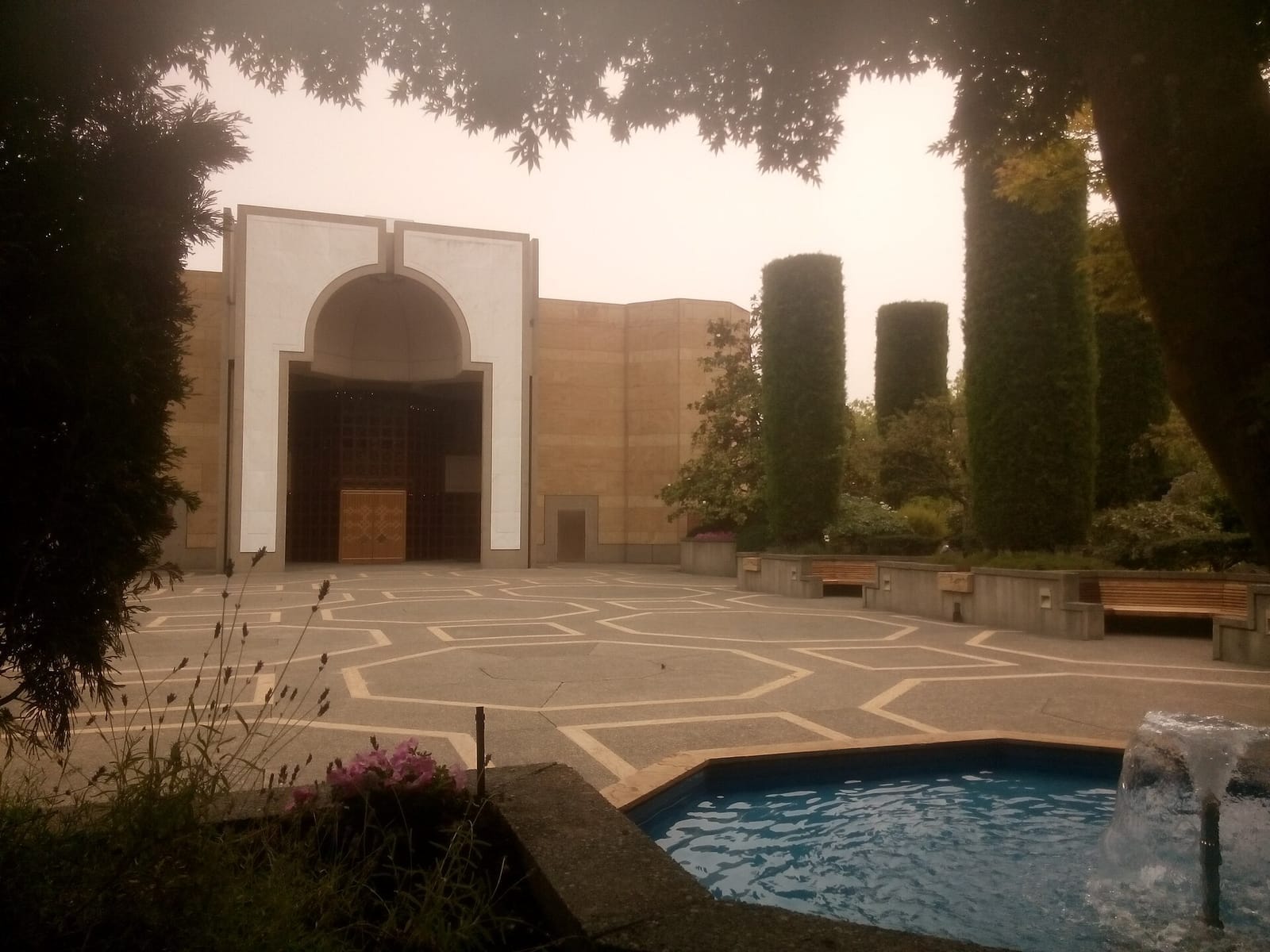
The Octagon on Canada Way: Inside Burnaby's Ismaili Centre
In 1985, the Aga Khan and the Prime Minister opened a building shaped like a prayer. Bruno Freschi designed it around a single geometric form — the octagon, "where the centre is everywhere, and everyone is in the centre." Thirteen years earlier, President Idi Amin had expelled the community that would fill it.
Artom Butenko · 6 min read
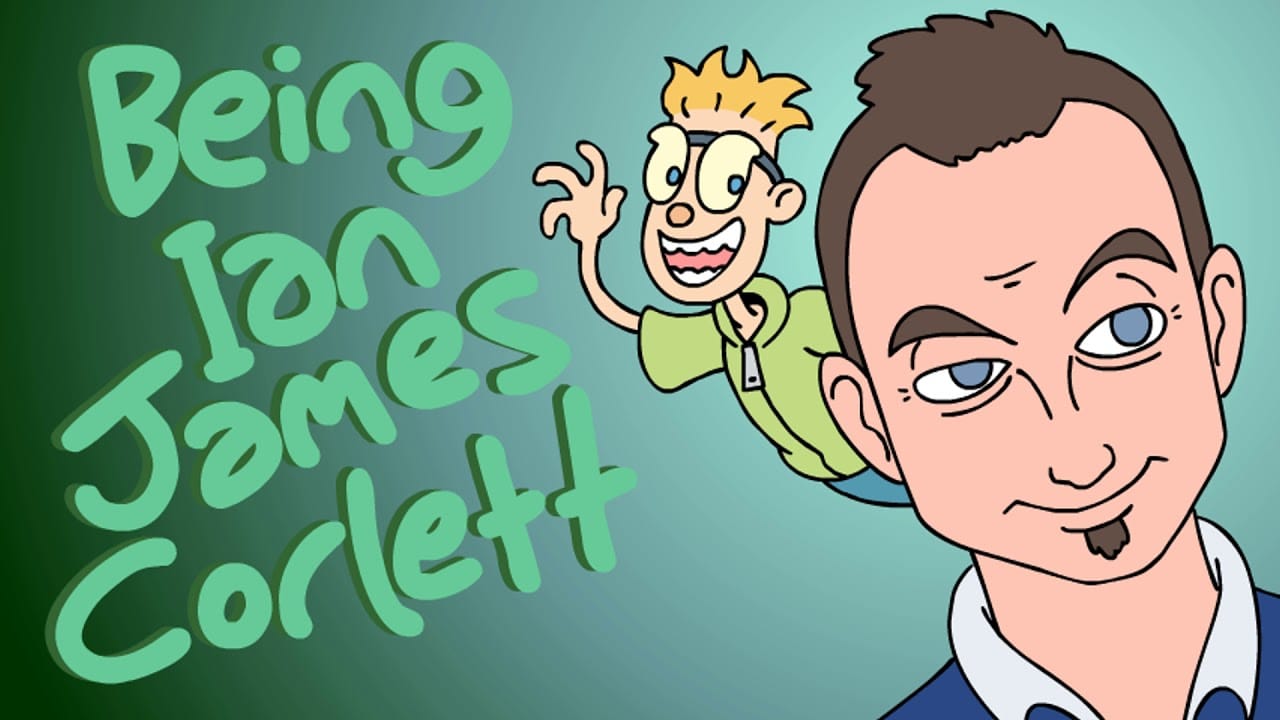
Ian James Corlett: The Man Who Made a Cartoon About His Street
He voiced Goku, left over a pay dispute, and went home to Burnaby to create a cartoon about growing up on Royal Oak Avenue. The piano store became a keyboard shop. The house became a drawing. The city became sixty-five episodes of a show that YTV aired for three years and then forgot.
Artom Butenko · 5 min read