The Point Beneath the Museum
A single stone projectile point, pulled from a midden in 1894 on the slope where the Burnaby Village Museum now sits, carries a date the museum gives as somewhere between 1,000 and 2,630 years old.
It fits in a hand. Worked stone, flaked to a tip, the kind of edge a person makes by striking flake after flake until the shape comes right. In 1894, someone pulled it from a midden on a slope above Deer Lake. That ground is now 6501 Deer Lake Avenue, the address of the Burnaby Village Museum. The point survived everything that came after. It carries the catalogue number BV002.57.5, and the museum dates it to between 1,000 and 2,630 years old.
What the point is, and what it sat in
A projectile point is the worked stone tip of a spear, a dart, or an arrow. It is a tool made to fly and to kill, and a person spent care on this one. It came out of a midden, the slow deposit of refuse and discarded material that builds up where people live across long stretches of time. The museum's record, the "Indigenous History in Burnaby Resource Guide," which logs the find on page 8, says only "a midden." So the point sat in the accumulated leavings of daily life, season layered on season, a record of meals and work and the ordinary business of staying alive in one place for a very long while.
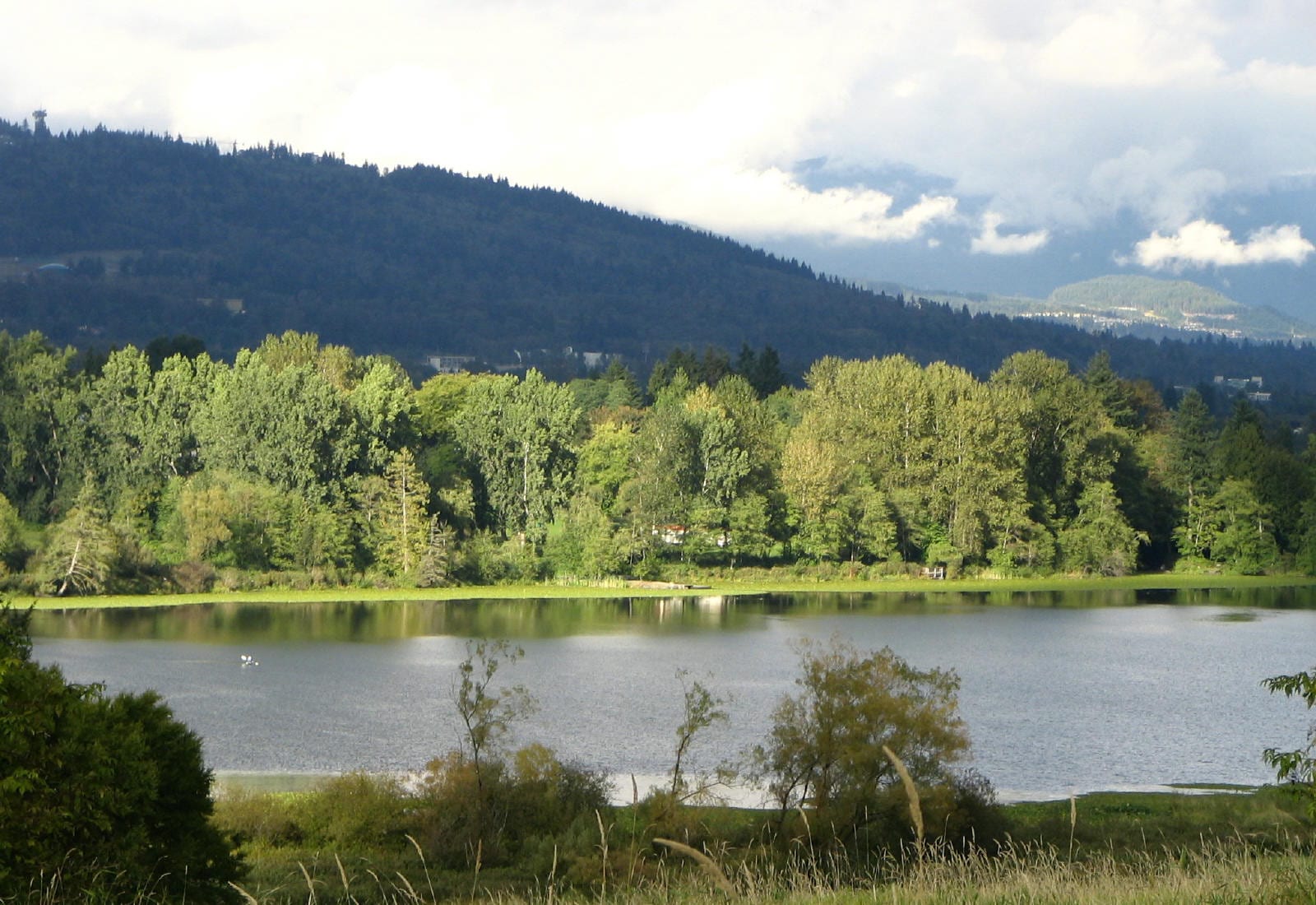
The midden ties to a former Coast Salish settlement at Deer Lake. Picture the lake itself, older than any of it: still water under low cloud, the green slope rising wet toward the trees, reeds standing in the shallows at the margin. People lived here. They fished and hunted and shaped stone, and one of those points slipped into the ground and stayed.
A date with no name on it
The span is wide, and it should be. A thousand years at the near end. Two thousand six hundred and thirty at the far. The point predates by deep centuries the strawberries the Hill family grew on this site before the grounds became a museum, predates the museum gates, predates every name the colonial record ever fixed to this place. Between those two numbers is the whole life the point belonged to: a settlement beside a lake, the same work done over and over across more generations than the figure can count.
What the record does not give is the day, the season, the hand. The Guide holds the point and the number. It cannot hand back the man or woman who flaked the edge, the hunt the point flew on, or the size of the village that left the midden around it. That gap is honest. The point fixes a place and a long human presence in it, and it lets the rest stay quiet.
June at Deer Lake
June carries National Indigenous History Month, an occasion that reaches for large claims. This object refuses to be large. It is one worked stone, found before the museum stood, dated within a range that admits its own uncertainty. What it proves is plain and old and hard to overstate: people were here for at least a thousand years, doing the patient work of living beside this water, and the proof has been catalogued and shelved a few steps from where it lay.
The museum holds the point under BV002.57.5. Above it, the restored buildings stand and the gravel paths run and the visitors come and go on a slope lived on for ten centuries and more. Down in the collection, in a drawer, the stone keeps the one thing it can keep, which is that someone stood on this ground and shaped it.
Editor & Publisher
Artom Butenko
Founder and editor of 8 Pages Burnaby. Writes the fact-dense, archival pieces — origins, infrastructure, and the documents that explain how the city works.
More from June 2026
Full issue →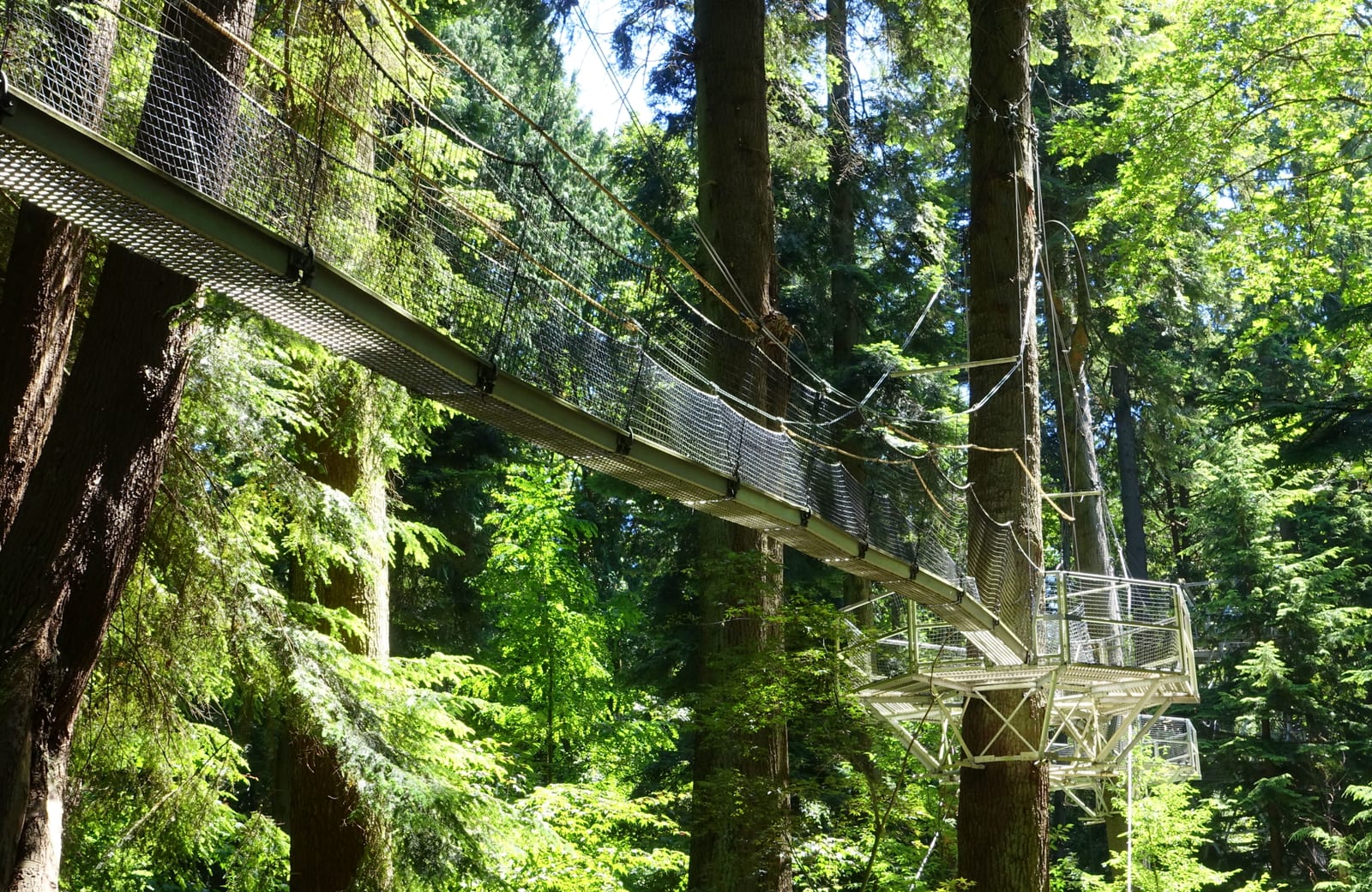
Frank E. Buck and the Eagles Estate Garden
The man who laid out the University of British Columbia's grounds also drew the plan for a small terraced garden on the Deer Lake slopes. Thousands walk his larger work without learning his name; in Burnaby, the smaller work survives as roughly 0.6 hectares of plantings above the water.
Brenda · 5 min read
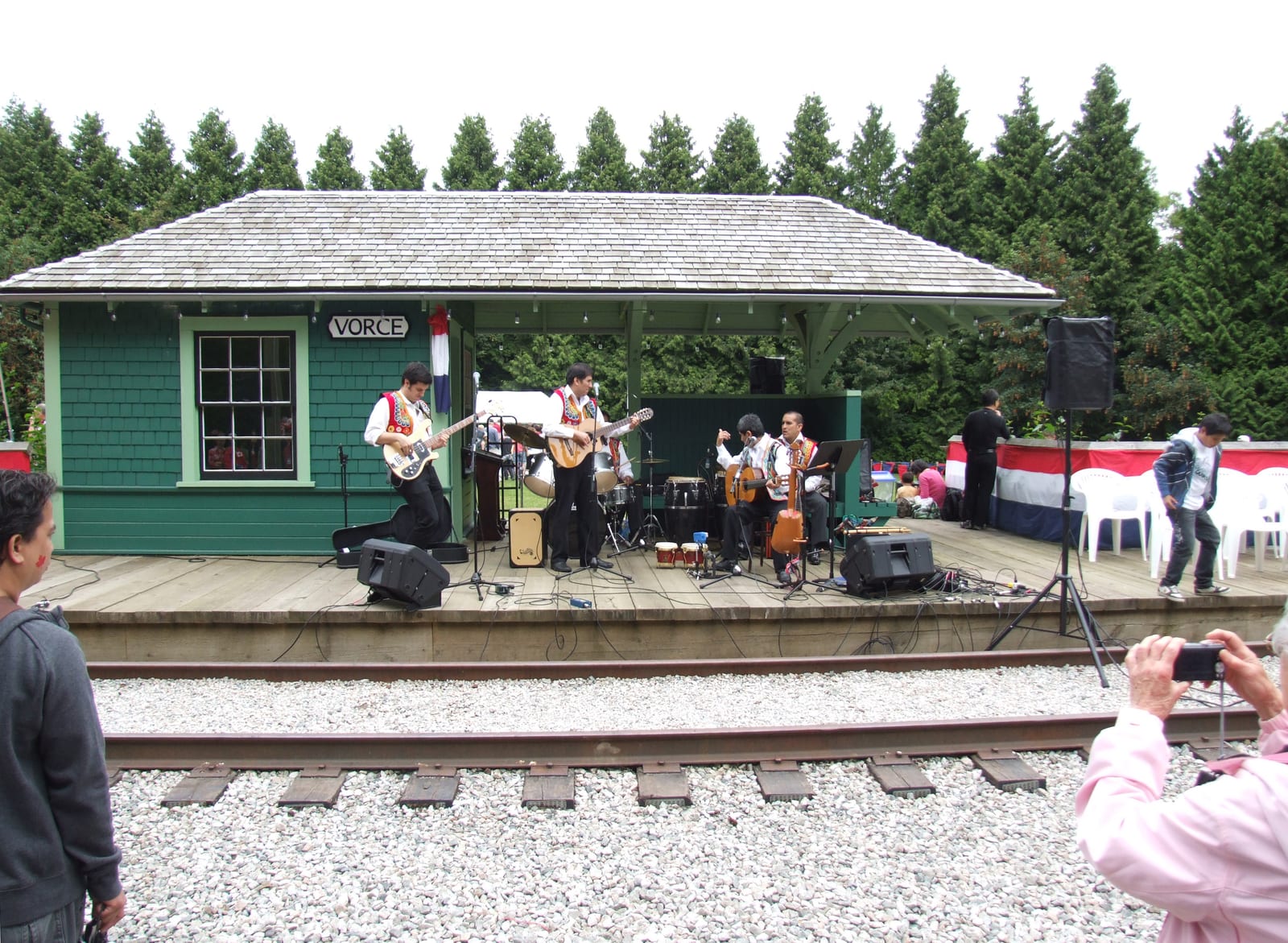
The Station That Wandered
A small wooden tram shelter built in 1911 is the only piece of Burnaby's interurban railway still standing. It has moved twice by truck, and the engineer it was named for has all but vanished from the record.
Artom Butenko · 4 min read
Keys to the Centre
On 22 June 1956, a contractor handed Reeve Charles MacSorley the keys to a new municipal hall at 4949 Canada Way, near Deer Lake. The site had been chosen two years earlier by a simple rule: put the seat of government where neither half of Burnaby could complain it favoured the other.
Artom Butenko · 5 min read