The Beginning of Burnaby
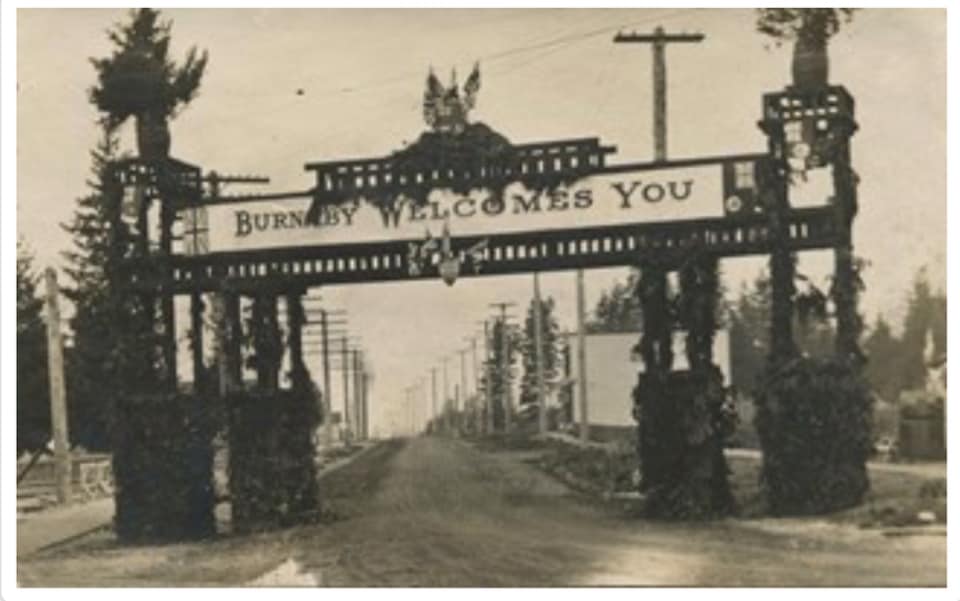
On September 22, 1892, a scattered collection of farms and logging camps voted to incorporate as a municipality. The vote passed. What changed was mostly administrative. What stayed the same was nearly everything else.
Burnaby became a municipality on September 22, 1892, when residents voted to incorporate under the British Columbia Municipal Act. The vote was held at a schoolhouse. Exact attendance is not recorded in surviving documents, but municipal incorporation in rural BC at the time typically drew fewer than 100 voters. Property ownership was required to vote. Most residents were not property owners.
Burnaby’s incorporation did not happen in isolation. The early 1890s marked a broader shift in how the provincial government organized local governance. British Columbia was transitioning from frontier administration toward more formal municipal structures, driven by population growth, railway expansion, and increasing pressure to standardize taxation and infrastructure management.
The new municipality covered approximately 98 square kilometres, stretching from Burrard Inlet to the Fraser River. Population was estimated between 800 and 1,200, depending on which count you trust. There were no census records for the area before incorporation. The provincial government's estimate was 1,000. Early municipal records suggest closer to 800.
The District of Burnaby was carved out of territory previously governed by New Westminster. The reasons for incorporation were practical, not ideological. Roads needed maintenance. Fire protection needed organizing. Property disputes needed local adjudication. New Westminster was handling these matters from a distance and doing it slowly.
Incorporation gave residents the authority to tax themselves and spend that money locally. That was the change. Everything else — the logging camps, the farms, the dirt roads, the scattered settlement — stayed exactly as it was.
What the Area Looked Like
Before incorporation, the area that became Burnaby was mostly forest. Douglas fir, western red cedar, hemlock. Logging operations had cleared patches near the water and along what would become major roads. The cleared land was used for farming — small plots, subsistence agriculture, some dairy.
Settlement clustered in a few areas. The largest concentration was around Burnaby Lake and along the road connecting New Westminster to Moodyville (later North Vancouver). Another cluster existed near Edmonds, where a small commercial node had developed around a general store and a stopping point for travellers.
There were no town centres. No downtown. No civic buildings. The schoolhouse where the incorporation vote was held was a wooden structure serving children from multiple settlements. Exact location is disputed in historical records. Some sources place it near what is now Central Park. Others suggest Edmonds.
Indigenous communities — primarily Squamish and Tsleil-Waututh — had seasonal camps and long-established villages in the area, predating European settlement by millennia. They were not consulted about incorporation and were not eligible to vote under the municipal act, which required property ownership under colonial land title. This effectively excluded not only Indigenous residents but also most labourers, loggers, and tenant farmers from the decision-making process.
The economy was extractive. Logging was the primary industry, followed by farming and fishing. The British Columbia Electric Railway had not yet extended its lines into the area. That would come in the late 1890s. Before the railway, transportation meant walking, riding horses, or using rough wagon roads.
The Incorporation Process
The push for incorporation came from property owners who wanted control over local taxation and infrastructure spending. Under New Westminster's governance, Burnaby residents paid taxes but had little say in how funds were allocated. Roads went unrepaired. Bridges were never built. Fire response was nonexistent.
The provincial Municipal Act of 1891 made incorporation easier. A petition signed by at least two-thirds of property owners could trigger a vote. If the vote passed, the area became a municipality with the power to elect a council, levy taxes, and manage local services.
The petition for Burnaby's incorporation was circulated in the summer of 1892. Exact numbers are not recorded, but the petition succeeded. A date was set for the vote: September 22, 1892.
The vote was held at a public meeting. Ballots were not secret. Voters announced their preference publicly, and a clerk recorded the result. This was standard practice for municipal votes in BC at the time. The vote passed. The margin is not documented. Municipal incorporation votes in rural BC typically passed by wide margins because opponents usually didn't attend. If you were against incorporation, you stayed home.
On September 22, 1892, the District of Burnaby officially existed.
The First Council
The first municipal election was held on November 7, 1892. William Stride was elected reeve (the equivalent of mayor). Six councillors were elected to serve with him. Their names: Thomas Shill, John Herd, Charles E. Woodward, James Patterson, Thomas Curtis, and Henry Patterson. Taken together, the first council represented the economic base of the district: landholders whose livelihoods depended on roads, access to markets, and predictable taxation rather than urban services or civic amenities.
All were property owners. Most were farmers or involved in logging. Stride operated a farm near Deer Lake. Woodward ran a general store that would later expand into the Woodward's department store chain, though that came much later and in Vancouver, not Burnaby.
The first council meeting was held on November 21, 1892, at a location described in minutes as "the Municipal Hall," though no such building existed. Early council meetings rotated between members' homes and the schoolhouse. A dedicated municipal hall was not built until 1912.
The first order of business was roads. The council allocated funds to grade and maintain wagon roads connecting settlements. The second was taxation. The council set a mill rate and began collecting property taxes. The third was fire protection. The council authorized funds for buckets, axes, and a hand-drawn water cart.
There was no police force. No library. No sewage system. No street lighting. These would come later, decades later in some cases.
The council met monthly. Attendance was irregular. Councillors were not paid. Minutes from the first year show frequent absences and difficulty achieving quorum.
What Changed, What Didn't
After incorporation, Burnaby had the legal authority to manage its own affairs. In practice, capacity was limited. The municipality had almost no revenue. Property values were low. Logging operations were often transient and didn't generate stable tax income. Farms were small and subsistence-level.
Roads improved slightly. The council prioritized wagon routes connecting New Westminster to the settlements around Burnaby Lake and Deer Lake. Grading was done by hand. Bridges were built from local timber. Progress was slow.
Fire protection remained minimal. The hand-drawn water cart was useful only if a fire started near a water source and someone was available to pull the cart. Most fires burned unchecked.
Settlement patterns didn't change. People continued living where they had lived. Logging continued. Farming continued. The boundary lines of the new municipality meant little to daily life.
What incorporation did provide was a framework for future growth. When the British Columbia Electric Railway extended its interurban line into Burnaby in the late 1890s, the municipality had the legal structure to negotiate right-of-way agreements, zone land for development, and collect taxes on new construction.
The railway changed Burnaby more than incorporation did. But incorporation made it possible for the municipality to manage that change, however imperfectly.
The Records That Remain
The Burnaby Archives holds early municipal records, though the collection is incomplete. Council minutes from the first decade exist but have gaps. Financial records are fragmentary. Correspondence between the municipality and the provincial government survives in better condition, largely because Victoria kept copies.
There are no photographs from the incorporation vote. No contemporary newspaper coverage has been located, though newspapers from the period are incompletely archived. The earliest photograph of a Burnaby municipal council is from 1902, a group portrait of the reeve and councillors standing in front of a wooden building.
Maps from the period show the municipal boundary but little internal detail. Settlement locations are marked but not named. Roads are shown as dotted lines, indicating they were not reliably passable. The first municipal census was conducted in 1901, nine years after incorporation. It recorded a population of 3,000, suggesting significant growth in the intervening decade, likely driven by the railway.
What It Meant to Be a Municipality
Burnaby's incorporation was unremarkable in the context of late 19th-century British Columbia. Between 1890 and 1900, dozens of rural areas incorporated under the provincial Municipal Act. The process was administrative, not transformative.
What incorporation did was create a legal entity capable of entering contracts, owning property, and levying taxes. That entity could then negotiate with railway companies, approve land subdivisions, and fund infrastructure projects.
For residents in 1892, incorporation meant a small increase in property taxes and the theoretical possibility of better roads. For some, it meant the opportunity to run for council and influence local spending priorities.
Incorporation created governance without capacity. Authority existed on paper long before it existed in practice.
For most, it meant very little at all.
The farms kept operating. The logging camps kept cutting. The dirt roads stayed muddy. Life continued as it had before September 22, 1892, with one difference: now there was a council meeting once a month to argue about how to spend money the municipality barely had.
That was incorporation. Just the beginning of the slow, bureaucratic work of building the structures that would later allow a city to function as we know it now
Editor & Publisher
Artom Butenko
Founder and editor of 8 Pages Burnaby. Writes the fact-dense, archival pieces — origins, infrastructure, and the documents that explain how the city works.
More from January 2026
Full issue →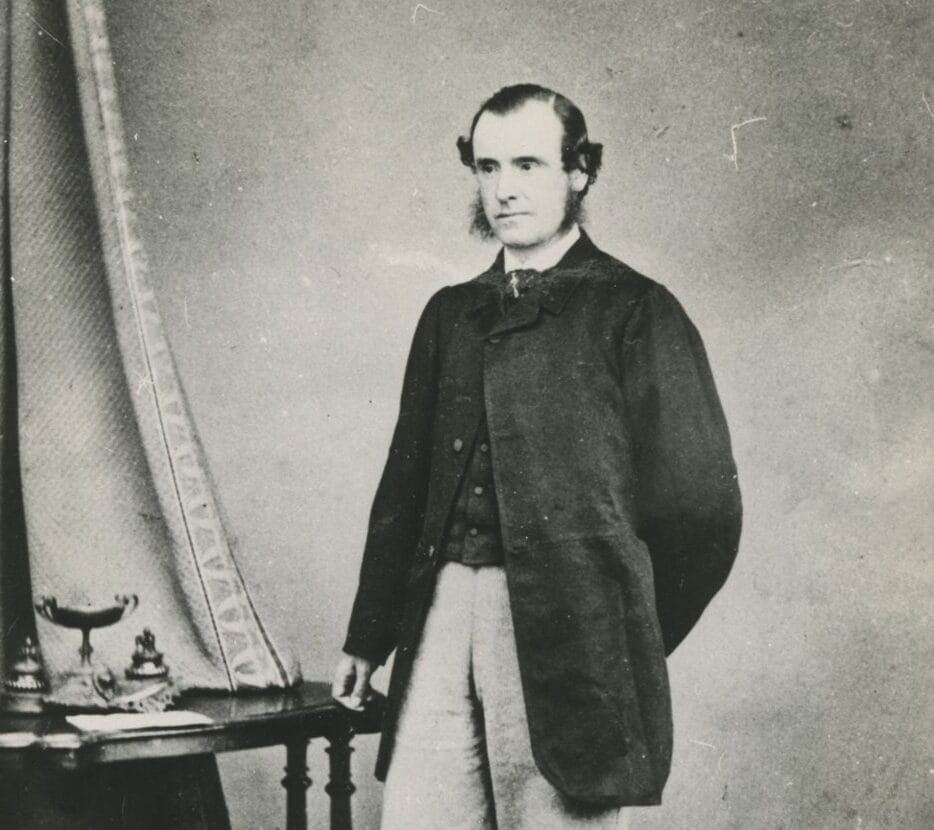
Robert Burnaby: The Private Secretary Who Became a City
In 1859, Colonel Richard Moody named a lake after his private secretary. Who was Robert Burnaby, and why does his name still echo across this city?
Artom Butenko · 6 min read
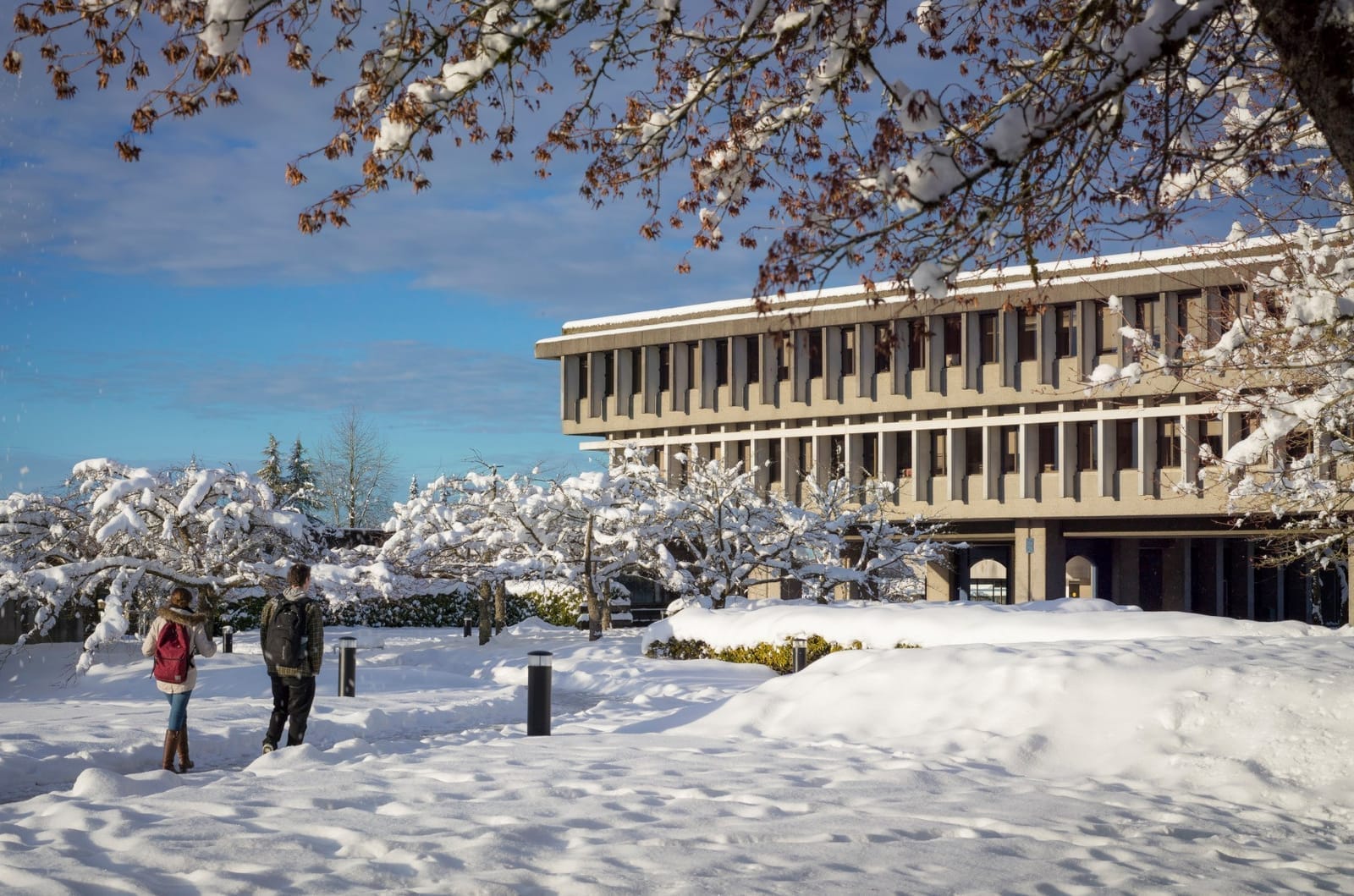
What the Burnaby Mountain Holds: SFU in Winter
Arthur Erickson's mountaintop campus becomes something else in January—a stark landscape of shadows and ice that Hollywood keeps casting as the future.
Ilarion Bohatyrov · 6 min read
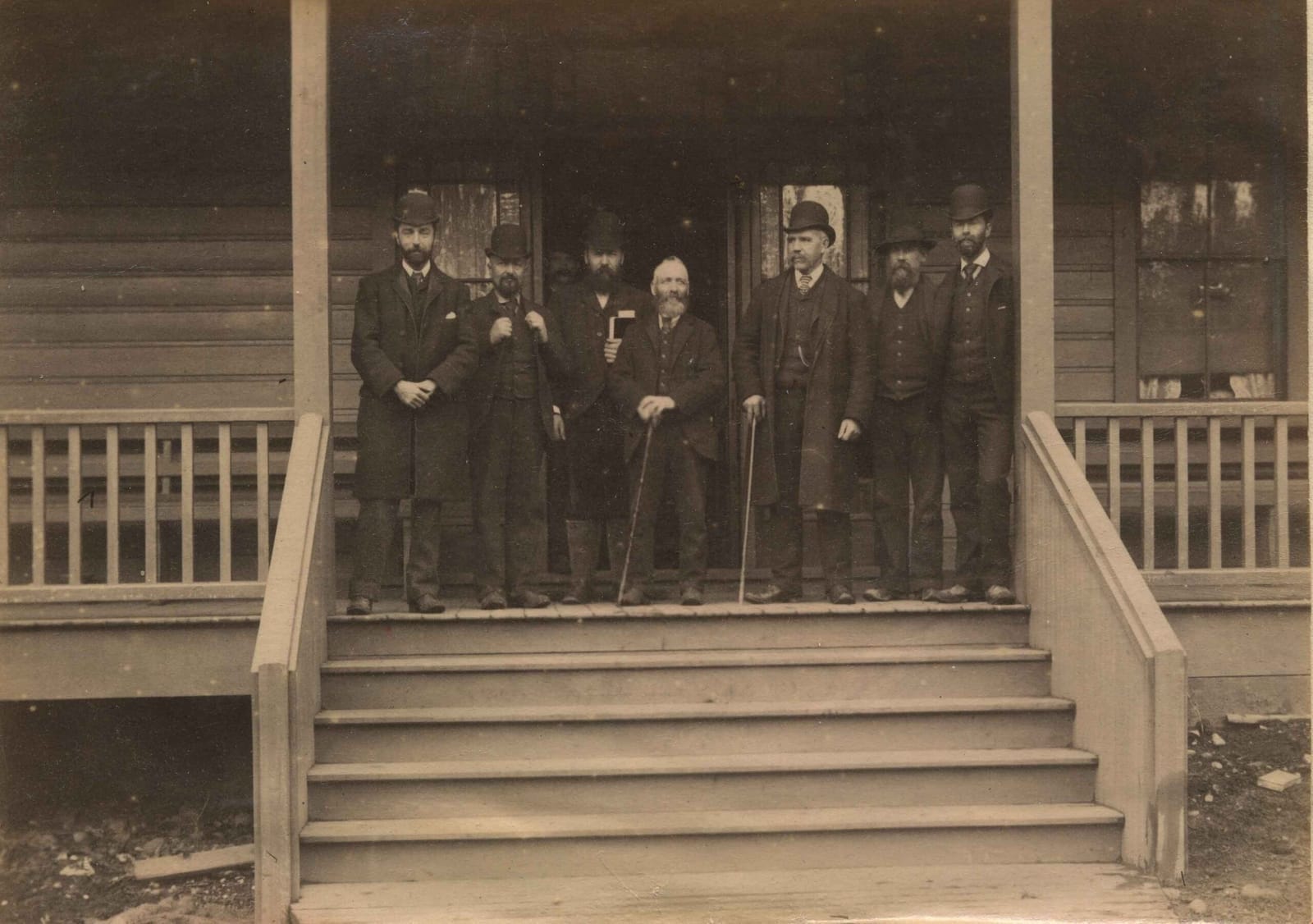
William Stride: Burnaby's First Reeve and the Work of Starting a Municipality
In 1892, the new city needed someone to lead it. The man they chose was a farmer, a community builder, and a believer in what this place could become.
Artom Butenko · 8 min read