William Stride: Burnaby's First Reeve and the Work of Starting a Municipality
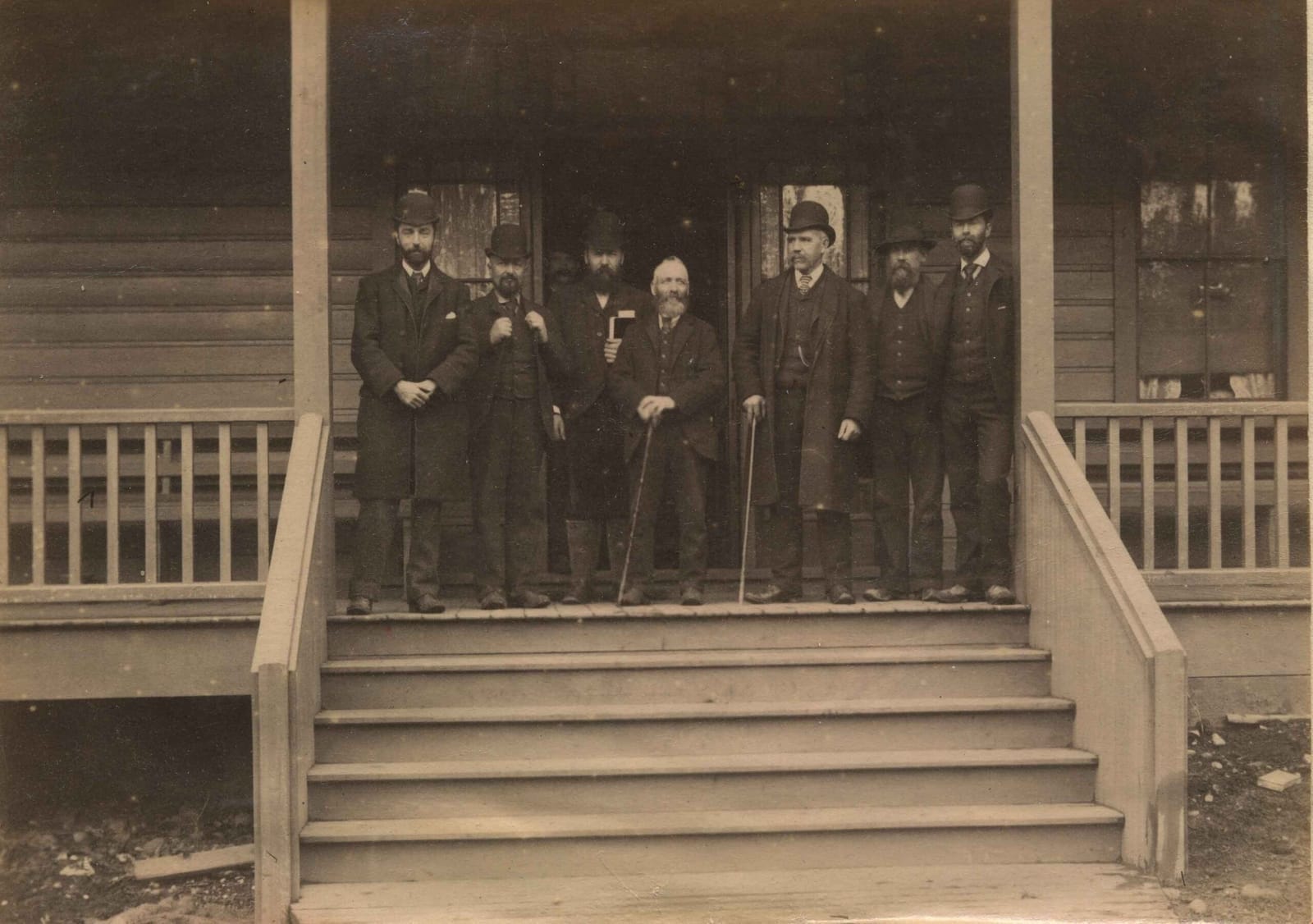
When Burnaby incorporated in 1892, it needed someone to lead the new council. The man elected was a farmer near Deer Lake. His job was mostly roads, taxes, and meetings that ran late. The meeting would have been held in someone's home, or perhaps the schoolhouse. Seven men around a table, arguing about which road to repair first. The reeve—the elected head of the council—sat at the head, keeping order, calling votes, recording decisions in a ledger that would later be copied by the part-time clerk. When they finished, sometime after dark, they walked back to their farms.
William Stride was elected reeve of Burnaby on November 7, 1892, six weeks after the municipality incorporated. He was 47 years old. He owned a farm near Deer Lake, about 40 acres of cleared land where he raised cattle and grew hay. He had arrived from Ontario in the mid-1880s, during a period when the colonial government was actively promoting agricultural settlement in the Fraser Valley.
The title "reeve" was used in British Columbia municipalities until the 1980s. It meant the elected head of a rural or suburban municipal council. The role was equivalent to mayor, but the terminology distinguished smaller municipalities from cities. Burnaby would not officially become a city until 1992, a century after Stride took office.
Stride served two one-year terms as reeve, from 1892 to 1894. What we know about him comes almost entirely from administrative records: council minutes, financial reports, correspondence with the provincial government. There are no speeches, no newspaper profiles, no personal letters in public archives. No photographs of William Stride are known to exist. We know him only by what he did in council meetings.
Part of the reason we know so little is bad luck. In September 1898, a fire destroyed much of downtown New Westminster, where Burnaby's early municipal records were stored alongside the city's courthouse and land registry. The minute books from 1892–1893 were lost completely. The 1894–1898 records were thought destroyed too, until they were found in the BC Archives in Victoria in 2004 and returned to Burnaby. What survives is fragmentary—enough to reconstruct procedures, not personalities.
What the Job Involved
The first municipal council had seven members: the reeve and six councillors. They met monthly, sometimes more often if urgent business arose. Meetings were held in members' homes, in the schoolhouse, or occasionally outdoors if the weather allowed. A dedicated municipal hall was not built until 1912, twenty years after incorporation.
The council's mandate was narrow. Roads. Taxation. Fire protection. Dispute resolution between property owners. Liaison with the provincial government on matters requiring approval. That was the scope.
Stride's role as reeve gave him limited additional authority. He chaired council meetings. He signed official documents. He represented the municipality in correspondence with New Westminster and Victoria. He was not an executive. Major decisions required council votes. Budget allocation was done collectively. The reeve had influence but little unilateral power.
The job was unpaid. Council members received no salary until 1906, when a small stipend was introduced. Before that, serving on council meant donating time away from your farm, your business, or your work. Attendance was irregular. Quorum was difficult to maintain. Minutes from 1892 and 1893 show frequent absences and postponed meetings.
Stride attended more consistently than most. Council minutes from his two terms show him present at nearly every meeting. He chaired discussions, recorded votes, and followed up on decisions between meetings. The work was clerical, procedural, unglamorous.
The First Budget
Burnaby's first annual budget, passed in early 1893, totalled $4,200. Most of that went to road maintenance and construction. The second-largest expenditure was administrative: printing, postage, record-keeping supplies.
There was no municipal staff. The council hired a part-time clerk to record minutes and manage correspondence, but that was the only paid position. Everything else — road grading, bridge construction, tax collection — was done by contract or by councillors themselves.
Tax collection was difficult. The municipality's revenue came from property taxes, but many property owners were cash-poor. Farms generated little liquid income. Logging operations were transient. The council spent much of 1893 chasing overdue tax payments.
Stride was responsible for signing tax notices and negotiating with delinquent property owners. Council minutes record multiple discussions about whether to seize property for unpaid taxes. The council was reluctant to do so. Most delinquent owners were neighbours, people the councillors knew personally.
The tension between municipal authority and personal relationships was constant. Stride chaired meetings where councillors voted on whether to repair the road leading to their own farms, or whether to grant extensions on their neighbours' unpaid taxes. The conflicts of interest were obvious. The council had no formal ethics guidelines. Decisions were made on a case-by-case basis, often awkwardly.
Roads and Disputes
Roads dominated council business during Stride's tenure. The municipality had inherited a network of dirt paths and wagon tracks from the pre-incorporation period. Most were impassable in winter. Bridges over creeks were rare. Culverts didn't exist.
The council prioritized routes connecting settlements to New Westminster and to each other. The road along Deer Lake to Central Park received funding in 1893. The road from Edmonds toward Burrard Inlet was graded in 1894. Progress was slow. Work was done by hand or with horse-drawn equipment.
Disputes about road priorities were common. Councillors representing different parts of the municipality argued for funding in their areas. Stride, as reeve, was expected to mediate. Minutes from 1893 show him proposing compromises: split the budget between two roads, defer one project to the following year, rotate which settlements received priority.
Other disputes were more personal. Property line disagreements. Water access rights. Logging operations encroaching on farmland. The council served as a local adjudication body. Stride chaired these discussions, which sometimes ran for hours.
There was no legal framework for enforcement. If the council ruled in favour of one party, compliance depended on the loser's willingness to accept the decision. The council had no constable, no court, no mechanism for compelling action. Authority was moral and social, not legal.
The Railway Arrives
The council also dealt with the British Columbia Electric Railway Company, which was building an interurban line through Burnaby connecting Vancouver to New Westminster. The company wanted to cross municipal land without paying for easements. The council wanted compensation.
The negotiations were handled primarily through correspondence. Stride signed most of the letters, though the content was drafted collectively by the council. The tone in surviving letters is cautious, deferential. The municipality was negotiating with a company backed by significant capital and political connections. Burnaby had neither.
The railway line opened in 1891, before the final agreements were settled. The council continued negotiating for several years. Eventually, the municipality secured some road improvements as compensation, but the terms were largely dictated by the railway company.
Stride's role in these negotiations was administrative. He chaired the council meetings where terms were discussed. He signed the letters. But the decisions were made collectively, and the outcomes were determined more by the power imbalance than by municipal negotiation skill.
What We Know, What We Don't
William Stride did not run for reeve in the 1894 election. He remained on council as a councillor for one more year, then left municipal politics. Records don't explain why. He continued farming near Deer Lake until at least 1901, when he appears in the federal census. After that, the record goes quiet. There is no death record in Burnaby Archives. No obituary has been located.
The City of Burnaby has a street called Stride Avenue, but whether it was named for William Stride or another member of the Stride family is unclear from municipal records. No personal papers have been located. The only image of early Burnaby governance is a group photograph from 1902, eight years after Stride left council. He is not in it.
The Work of Starting
Stride's tenure as reeve coincided with the first two years of Burnaby's existence as a municipality. The work was foundational in the most literal sense: establishing procedures, setting precedents, creating the administrative structure that later councils would inherit. He chaired the meetings that set the first tax rate. He signed the contracts for the first road grading. He mediated the first property disputes. None of this was dramatic. It was procedural, tedious, necessary.
The municipality that existed in 1894, when Stride stepped down, was not significantly different from the one in 1892. The roads were slightly better. The tax collection system slightly more organized. But the farms were still there. The logging camps still operated. Burnaby was still a collection of scattered settlements connected by rough roads, governed by a part-time council of farmers who met once a month to argue about how to spend money they didn't have.
Stride's contribution was keeping that system running long enough for it to become routine. By the time he left, the procedures were established. Future councils knew how to pass a budget, approve a road project, collect taxes, negotiate with outside entities. That was the work—not vision or leadership in any grand sense, but the repetitive, unglamorous task of making a bureaucratic structure function.
William Stride did that for two years. Then he went back to his farm.
Editor & Publisher
Artom Butenko
Founder and editor of 8 Pages Burnaby. Writes the fact-dense, archival pieces — origins, infrastructure, and the documents that explain how the city works.
More from January 2026
Full issue →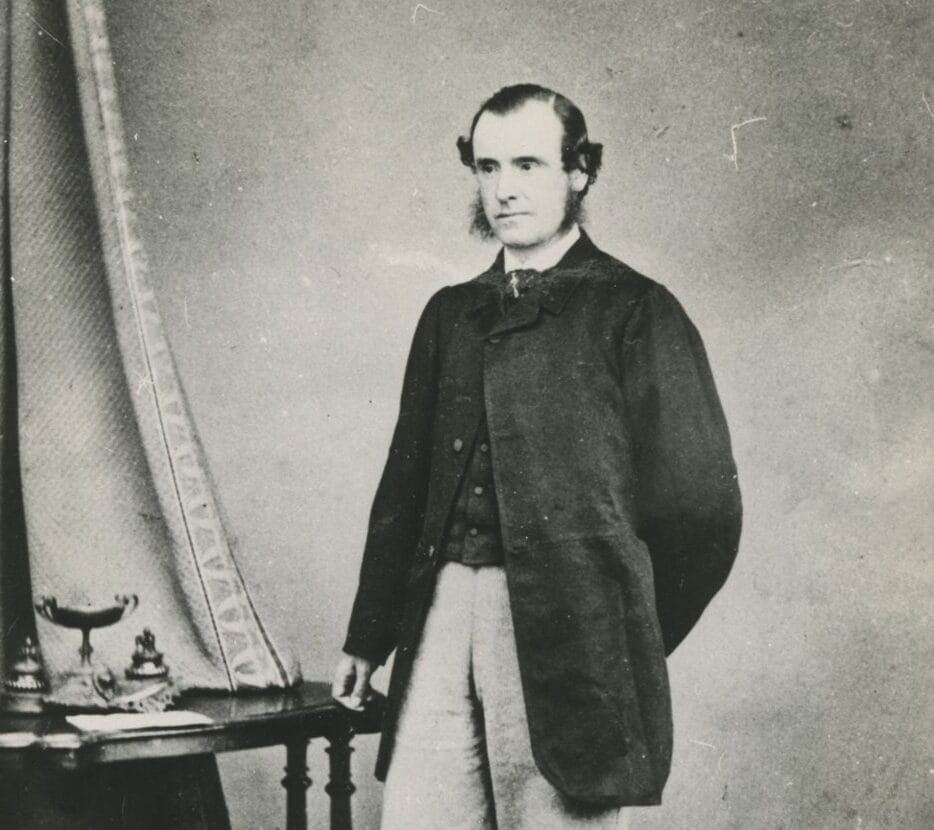
Robert Burnaby: The Private Secretary Who Became a City
In 1859, Colonel Richard Moody named a lake after his private secretary. Who was Robert Burnaby, and why does his name still echo across this city?
Artom Butenko · 6 min read
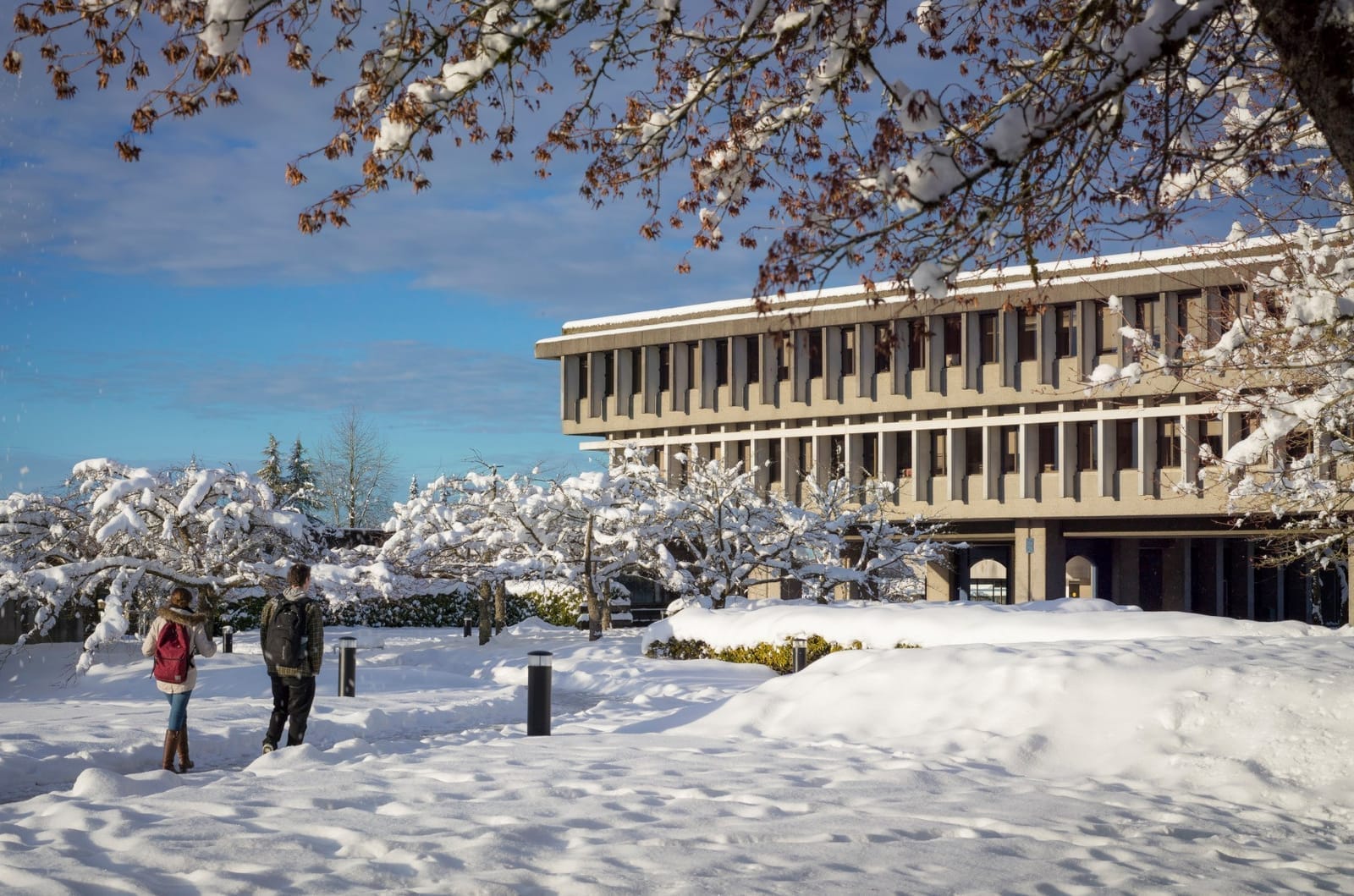
What the Burnaby Mountain Holds: SFU in Winter
Arthur Erickson's mountaintop campus becomes something else in January—a stark landscape of shadows and ice that Hollywood keeps casting as the future.
Ilarion Bohatyrov · 6 min read
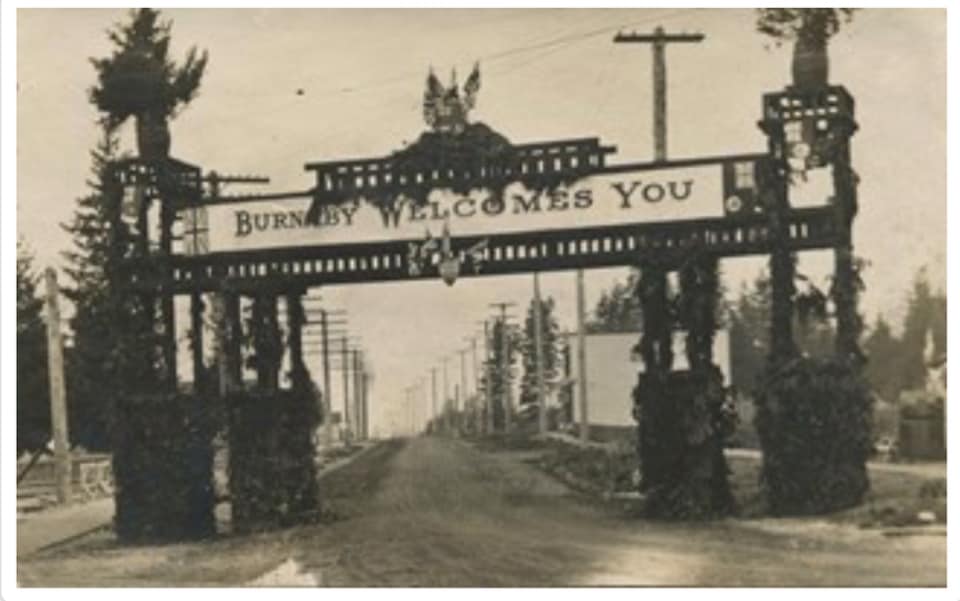
The Beginning of Burnaby
On September 22, 1892, a scattered collection of farms and logging camps voted to become something more. What changed when Burnaby broke away from New Westminster?
Artom Butenko · 8 min read