Still Creek: How Burnaby Brought a Dead Stream Back to Life
In 2003, a chum salmon was spotted swimming up Still Creek near Willingdon Avenue. It was the first salmon seen in the creek in more than 80 years. The fish shouldn't have been there. The creek had been declared biologically dead decades earlier.
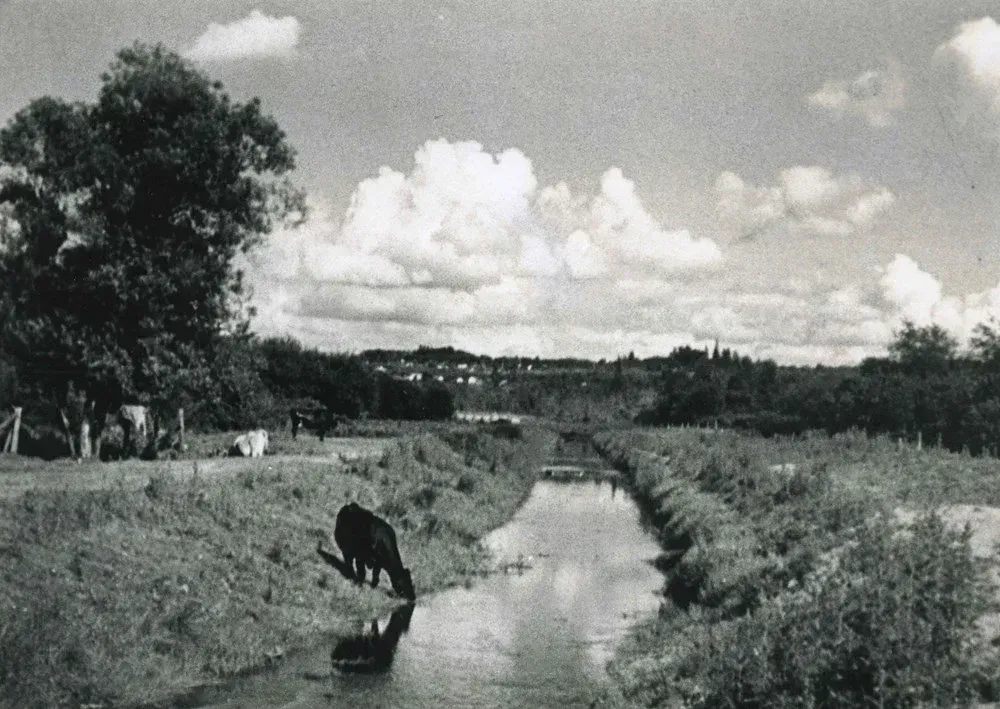
Still Creek runs approximately eight kilometres through Burnaby and Vancouver, from its headwaters near Burnaby Lake to its outlet at the Fraser River. For much of the twentieth century, the creek was buried, polluted, and treated as infrastructure rather than a living system. Industrial operations discharged waste into it. Developers culverted long sections underground. Residential construction filled wetlands that once fed its flow. By the 1960s, Still Creek functioned primarily as a drainage channel.
Salmon disappeared sometime in the 1920s. Precise records do not exist, but oral histories and early environmental surveys suggest chum salmon stopped spawning in the creek around that period. The causes were not mysterious: polluted water, degraded streambed conditions, and disrupted flow made the creek unsuitable for fish.
In 2003, salmon came back. Not many. A few individuals. But they were there, swimming upstream, attempting to spawn in gravel that had been restored only a few years earlier.
The return was the result of decades of unglamorous work: stream remediation, pollution control, habitat restoration, replanting, and bureaucratic coordination between multiple municipal and regional agencies. The salmon didn't come back on their own. They came back because people spent years making it possible.
What Happened to the Creek
Still Creek was named by early European settlers, possibly for the stillness of its flow in summer months. The creek originally meandered through wetlands and forested areas, fed by groundwater and smaller tributaries. It supported coho and chum salmon, cutthroat trout, and a range of invertebrates and amphibians.
Settlement in the early 20th century changed the creek rapidly. Logging operations cleared the surrounding forest, increasing sediment runoff. Agriculture drained wetlands. Small industries built near the creek and used it for waste disposal. By the 1930s, water quality had declined significantly.
Industrial expansion after World War II made things worse. Warehouses, factories, and rail yards were built along the creek. Sections were straightened and channelized to prevent flooding of industrial properties. Other sections were culverted underground to make room for development. Wastewater from industrial operations entered the creek directly, with minimal or no treatment.
By the 1960s, Still Creek was considered a liability. Municipal reports from the period describe it as a source of odour complaints, flooding risk, and potential health hazard. The water was grey-brown. Vegetation along the banks was sparse. Fish were absent.
Environmental surveys conducted in the early 1970s confirmed what residents already knew: Still Creek was biologically dead over most of its length. Dissolved oxygen levels were too low to support fish. Heavy metals and petroleum contaminants were present in sediment samples. The creek functioned as a storm drain, not an ecosystem.
No one was surprised. Urban creeks across the Lower Mainland faced similar conditions. Musqueam Creek in Vancouver, Guichon Creek in Richmond, Hastings Creek in Burnaby—all were degraded or buried by mid-century development. Still Creek was typical, not exceptional.
The Shift
Environmental awareness changed in the 1980s and 1990s. Habitat loss became a policy concern. The federal Fisheries Act was enforced more strictly. Regional districts began developing watershed management plans. Environmental groups organized stream-keepers programs.
In Burnaby, the Still Creek Enhancement Society formed in 1991. The group included residents, environmental advocates, and municipal staff. Their goal was to improve water quality, restore riparian habitat, and eventually make the creek capable of supporting fish again.
The work was incremental. The society organized stream cleanups, removing garbage and debris. Volunteers planted native vegetation along accessible sections of the creek. The group lobbied the city to enforce pollution bylaws and restrict industrial discharges.
Progress was slow. Still Creek was not a priority for municipal budgets. Funding for stream restoration competed with roads, sewers, and other infrastructure needs. The creek flowed through industrial zones with little public visibility. Most residents didn't know it existed.
The breakthrough came in the late 1990s when the City of Burnaby, Metro Vancouver, and the provincial government coordinated funding for a multi-phase restoration project. The project addressed three main issues: water quality, streambed structure, and habitat connectivity.
Water quality improvements required enforcing discharge regulations, upgrading stormwater management, and constructing retention ponds to filter runoff before it entered the creek. This was infrastructure work—installing pipes, building ponds, regrading drainage channels. Expensive, unglamorous, necessary.
Streambed restoration involved removing concrete channelization in some sections, adding gravel and large woody debris to create pool and riffle habitat, and replanting riparian vegetation to stabilize banks and provide shade. This work was done section by section over several years.
Habitat connectivity meant ensuring fish could move upstream from the Fraser River. Culverts that blocked fish passage were replaced or modified. Barriers were removed. The goal was to create a continuous corridor from the river to the upper creek.
By 2001, significant portions of Still Creek had been restored. Water quality had improved. The streambed supported insect populations. Native vegetation was reestablishing along the banks.
Whether salmon would return was uncertain. Restoring habitat doesn't guarantee recolonization. Fish populations depend on multiple factors: water quality, food availability, spawning gravel, temperature, flow timing. Still Creek met some of those criteria, but not all.
The Salmon Return
In November 2003, volunteers conducting a stream survey spotted a chum salmon near Willingdon Avenue. The fish was positively identified and photographed. Over the following weeks, a small number of additional chum were observed in the creek.
The salmon were attempting to spawn. They had entered the creek from the Fraser River, navigated the lower reaches, passed through culverts that had been modified for fish passage, and reached gravel beds in the restored sections.
Not all were successful. Spawning requires specific conditions—gravel of the right size, adequate water flow, appropriate temperature. Still Creek met some but not all of those conditions. Some salmon spawned. Others died before completing the process. The number of eggs that successfully hatched is unknown.
But the presence of salmon was significant. It meant the creek was functioning as a migration corridor again. It meant water quality had improved enough to support fish passage. It meant the restoration work had created at least minimal viable habitat.
Subsequent years saw more salmon. Numbers varied annually, depending on Fraser River salmon runs and environmental conditions. In some years, dozens of chum were observed. In others, only a handful. Coho salmon also began appearing occasionally, though in smaller numbers than chum.
By 2010, Still Creek was considered a functioning salmon-bearing stream again, albeit a marginal one. The population was small and fragile. But salmon were present, spawning, and in some years successfully reproducing.
What the Creek Is Now
Still Creek today is a hybrid system. Parts of it remain buried under roads and buildings. Other sections flow through parks and green corridors where restoration work has been most intensive. Water quality is improved but not pristine. Industrial areas still contribute pollutants during heavy rain events.
The creek supports a limited but real ecosystem. Aquatic insects, amphibians, small fish, and occasional salmon. Riparian vegetation provides habitat for birds and small mammals. The creek functions ecologically, within the constraints of an urban environment.
The Still Creek Enhancement Society continues monitoring and restoration work. Volunteers conduct annual salmon surveys, remove invasive plants, and organize community education events. The society works with the city to identify degraded sections that could benefit from future restoration.
Salmon numbers remain low. Still Creek is not a major spawning system. The habitat is marginal. The population is sustained partly by strays from larger Fraser River runs. But the salmon are there, and they return most years.
The creek's revival is often cited as a success story in urban stream restoration. It demonstrates that degraded systems can recover if sufficient effort and funding are applied. But it also demonstrates the limits of restoration. Still Creek will never return to pre-industrial conditions. Too much has changed. The surrounding land use, the hydrology, the watershed characteristics—all are fundamentally altered.
What remains is a creek that functions at a reduced but viable level. Not pristine. Not dead. Something in between.
What It Took
The Still Creek restoration required coordination across multiple jurisdictions, decades of sustained effort, and millions of dollars in infrastructure upgrades. The work was not led by a single visionary or driven by a dramatic moment. It was incremental: regulatory enforcement, infrastructure upgrades, volunteer planting days, annual monitoring, budget allocations.
The salmon returned because enough people—municipal staff, environmental advocates, engineers, biologists, volunteers—kept working on the problem for years when there was no guarantee of success. The result is a marginal urban creek that supports a small, fragile salmon population. That is not a failure. It is what urban stream restoration looks like when it works.
Still Creek is not wild. It is managed, monitored, maintained. The salmon that spawn there do so in habitat that exists because people built it, replanted it, and continue protecting it.
The creek came back because people decided it should. The salmon came back because the creek could support them again, barely, but enough.
That is what ecological recovery looks like in a city. Not a return to pristine conditions. Just the slow, difficult work of making a degraded system functional again.
Editor & Publisher
Artom Butenko
Founder and editor of 8 Pages Burnaby. Writes the fact-dense, archival pieces — origins, infrastructure, and the documents that explain how the city works.
More from January 2026
Full issue →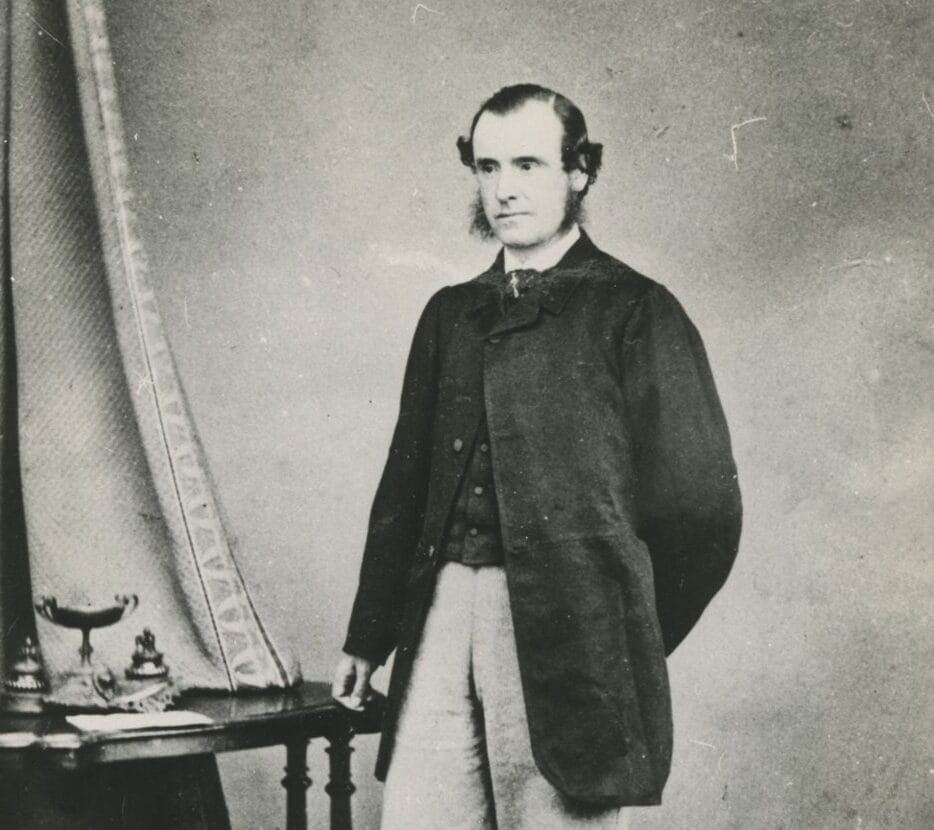
Robert Burnaby: The Private Secretary Who Became a City
In 1859, Colonel Richard Moody named a lake after his private secretary. Who was Robert Burnaby, and why does his name still echo across this city?
Artom Butenko · 6 min read
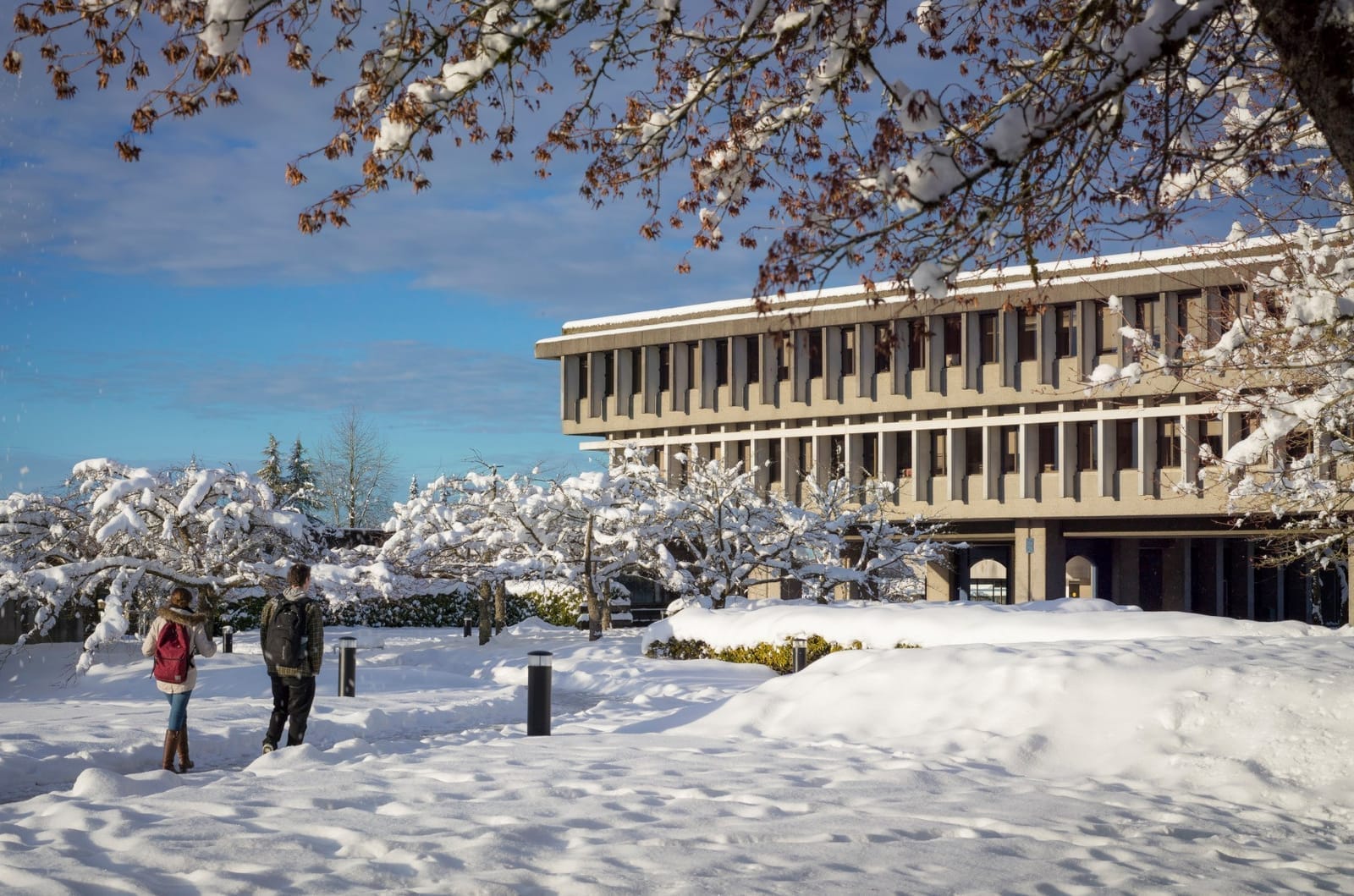
What the Burnaby Mountain Holds: SFU in Winter
Arthur Erickson's mountaintop campus becomes something else in January—a stark landscape of shadows and ice that Hollywood keeps casting as the future.
Ilarion Bohatyrov · 6 min read
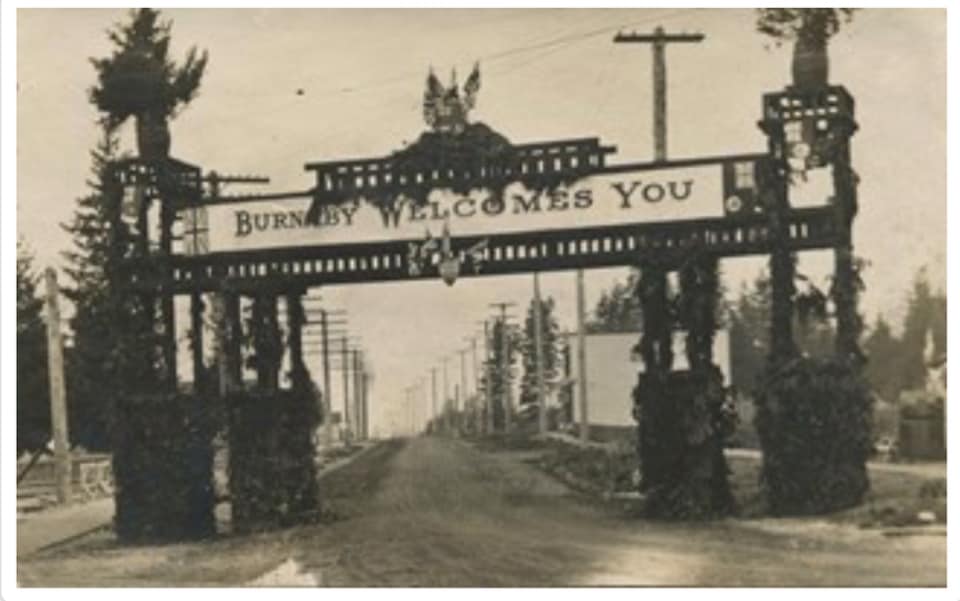
The Beginning of Burnaby
On September 22, 1892, a scattered collection of farms and logging camps voted to become something more. What changed when Burnaby broke away from New Westminster?
Artom Butenko · 8 min read