The Rebel Who Built Houses
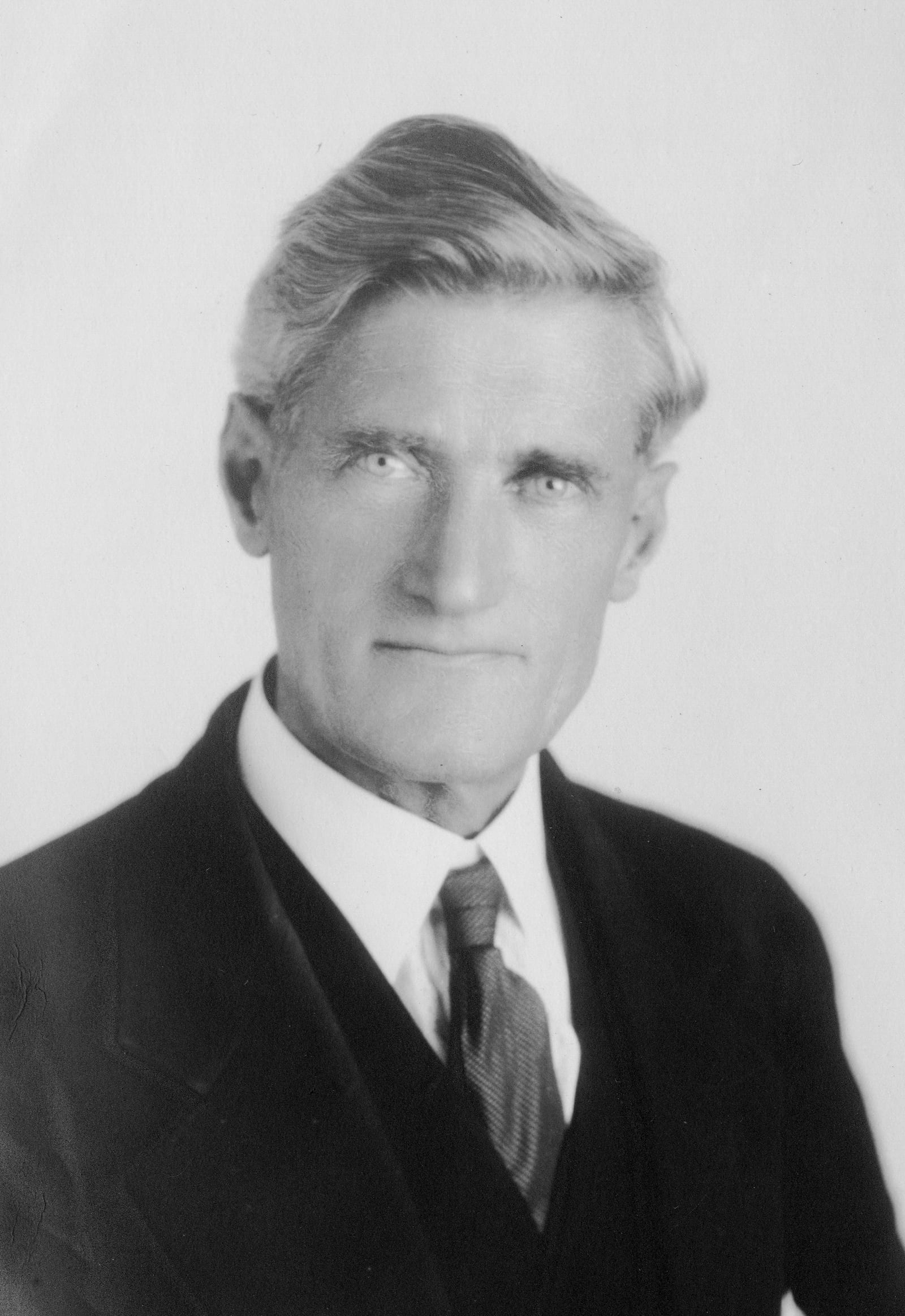
For twenty-four years the same fierce socialist represented Burnaby in the provincial legislature. He is remembered, if at all, as the father of a man who nearly became premier. His own monument is quieter: a fourteen-storey tower in Edmonds, still full of people who need a cheap place to grow old.
There is a fourteen-storey tower at 7216 Mary Avenue, in the Edmonds corner of south Burnaby, that carries a man's whole name across its records: the Ernest Winch Tower. It went up in 1972 and holds a hundred and seventy-four small suites, most of them single rooms, all of them cheap, all of them for people over fifty-five who could not otherwise afford to stay. The tenants come and go, carry their groceries up, water the plants on the balconies. Very few of them could tell you who Ernest Winch was, and that would not have surprised him. He spent his life doing loud things and one quiet thing, and it is the quiet thing that outlasted him.
He was born Ernest Edward Winch on 22 March 1879 in Harlow, Essex, the son of a master bricklayer, and he learned his father's trade. A bricklayer knows exactly what a wall costs, how many hands it takes, how a thing meant to shelter people is actually assembled. He carried that knowledge to Canada in 1909, arriving with a young family and the plain expectation of laying brick for a living.
The loud years
What he found on the west coast turned him into an agitator. The labour of the time was brutal and the men who did it had almost nothing to protect them, and Winch threw himself into the work of changing that. By July 1918 he was president of the Vancouver Trades and Labour Council. He backed the One Big Union, the sweeping idea that all workers belonged in a single organization, and he helped pull the loggers of the province into a union of their own. When Vancouver walked out in the summer of 1918 and Winnipeg rose in 1919, Winch was on the side of the strikers, and he said so where it counted.
This was not a safe position to hold. Men lost work and worse for less. He held it anyway, through the decade that followed, and in 1932 he helped rebuild the Socialist Party of Canada in British Columbia and steer it into the new Co-operative Commonwealth Federation, the party that would eventually become the NDP. In 1933 the voters of Burnaby sent him to Victoria as their CCF member of the legislature. They kept sending him back for the rest of his life. He won the seat six more times and held it, without a break, for twenty-four years, until he died still in office in January 1957.
In the House he was formidable and hard to like if you sat across from him. His biographer, Dorothy Steeves, called him the compassionate rebel, and the phrase does the work of two words pulling in opposite directions. He used his years in the legislature to drag the province's worst institutions into the light. He toured the jails and the asylums and came back with figures and fury. Of Colquitz, the province's asylum for the so-called criminally insane, Steeves records his verdict: "These wretched creatures were mentally ill, but not a cent was being spent for psychiatric treatment or occupational therapy." He was not surprised, he said, that so few patients ever left recovered; they left only when carried out by an undertaker. Yet he went back to those places again and again, and he went as a friend. "He never scolded, never preached, or moralized, he just tried to understand," Steeves wrote. "He brought little gifts of magazines, candy or smokes." A long run of his letters on the care of the mentally ill still sits in the provincial archives, the paper trail of a man who would not let the subject drop.
The quiet thing
Somewhere inside the firebrand was a person who noticed exactly who fell through, and it began in his own house. Before the society had a building, Winch took discharged women into his home in East Burnaby, the ones coming out of Essondale, the mental hospital, with nowhere to go and no one waiting. In 1943 he made it formal. He raised about ten thousand dollars, founded the New Vista Society, and bought a twelve-room house on West 2nd Avenue in Vancouver to hold them properly, serving as its president while Kay Lowdon kept the books. It was incorporated under the Societies Act that December. When the provincial government bought that first house out from under it in 1947, Winch turned New Vista toward the work it still does, low-rent housing for the old, and he built it in Burnaby. Ten years on he took the society back to the legislature and passed an Act to keep it alive after he was gone.
It did not die with him. By the time he did, in 1957, New Vista ran a hundred and twenty-five apartments across fifteen buildings in five separate projects, all in Burnaby. It kept growing after he was gone. Today the society holds eight hundred and forty-six low-cost homes, along with a care community and a day program for older adults, most of it clustered in south Burnaby, in the same ground he represented. The bricklayer's son had, in the end, built the thing he came to Canada to build. It simply took a different form than brick.
Why you have not heard of him
Part of the answer is his own son. Harold Winch followed his father into the CCF, led the party in British Columbia, came within reach of the premier's office, and went on to sit for decades as a member of Parliament. When people remember the Winch name in provincial politics, they tend to remember Harold. The father gets folded into a footnote about the son.
Part of it is that Burnaby's Depression-era left already has a face. Bill Pritchard, the reeve who went from a Winnipeg jail cell to the head of Burnaby's council, is the figure the histories reach for first. Winch worked the same years and the same cause from a different chair, and the second man in any story gets less light.
And part of it is the shape of the work he chose. Union fights and questions in the House make some noise; finding beds for discharged patients and pensioners does not. He spent himself on the least photogenic causes in the province and left no legend, only results.
The record is not as quiet as his obscurity suggests. He lived for years at 1230 – 13th Avenue in East Burnaby, in the ground he represented. And when he died in 1957, Tommy Douglas, later voted the greatest Canadian, wrote the plainest possible summary of him: "Ernest Winch was a social pioneer. All his life he fought for fundamental changes in the Canadian economy and he worked diligently to improve the lives of his fellowman. He demonstrated this concern by his advocacy of improved facilities for the mentally ill and former inmates of correctional institutions and in the housing he built for senior citizens." The housing is still there. A green stretch called Ernie Winch Park runs by 7680 15th Street, and eight hundred-odd households in south Burnaby pay rent they can manage because a bricklayer decided, a long time ago, that shelter was not a favour, and put his name on a tower at 7216 Mary Avenue so the promise would be hard to take back.
Editor & Publisher
Artom Butenko
Founder and editor of 8 Pages Burnaby. Writes the fact-dense, archival pieces — origins, infrastructure, and the documents that explain how the city works.
More from July 2026
Full issue →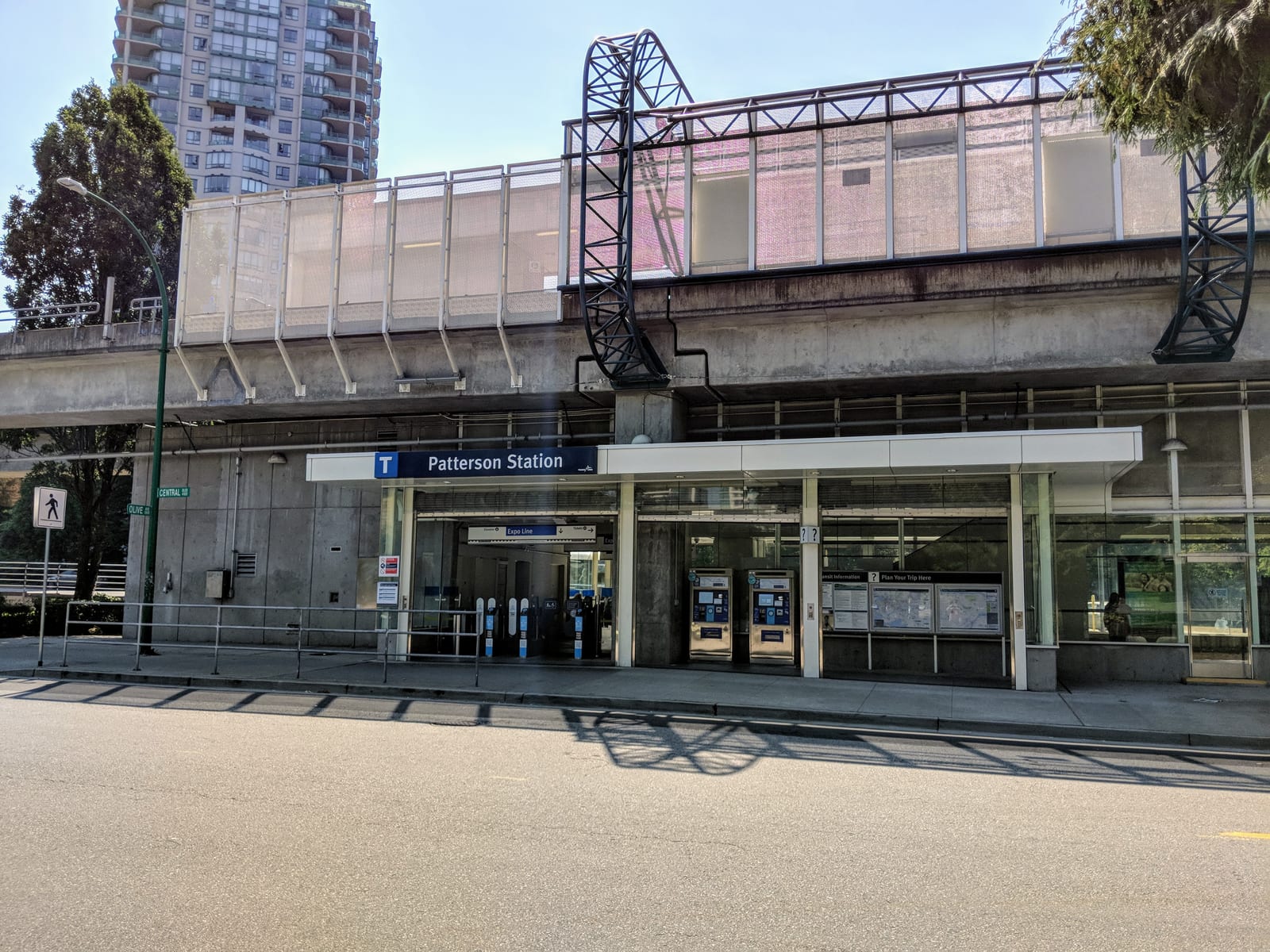
The Pioneer on the Station Sign
The trail Dugald Patterson cleared across his homestead became an avenue; the wooden tram platform he built became a SkyTrain station. The man himself left far less behind than the places that carry his name.
Artom Butenko · 5 min read
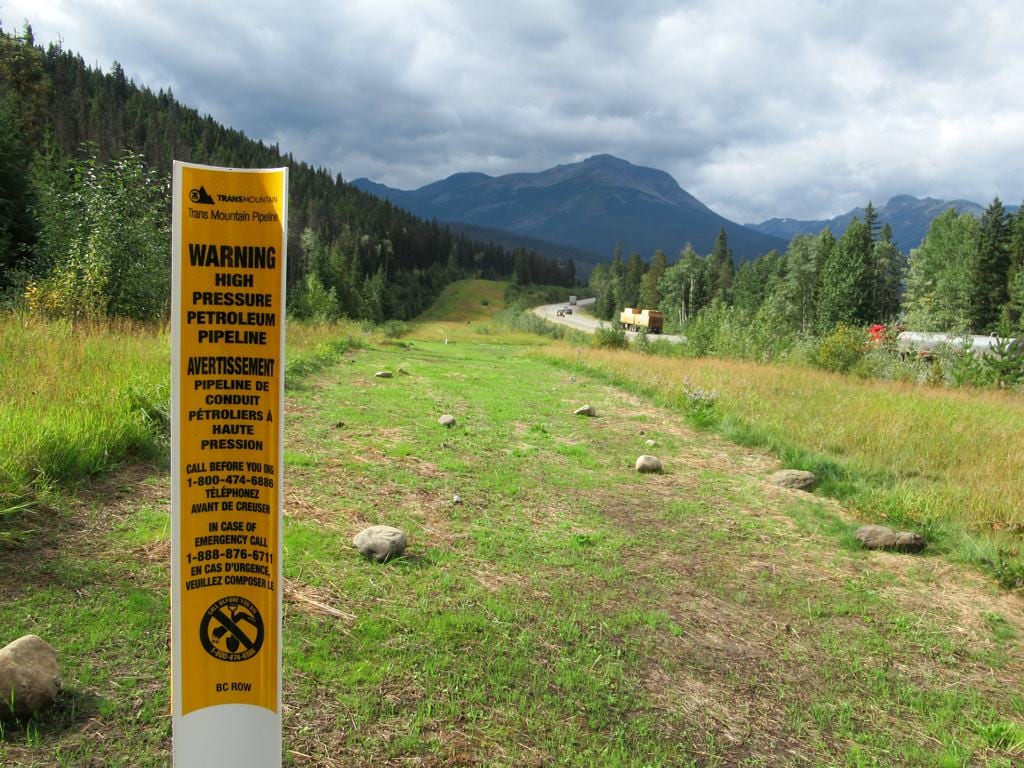
Twenty-Five Minutes on Inlet Drive
On 24 July 2007, an excavator bucket on Inlet Drive punctured a crude-oil pipeline that had been in the ground since 1953. The cause traced back to a drawing made in 1957.
Artom Butenko · 6 min read
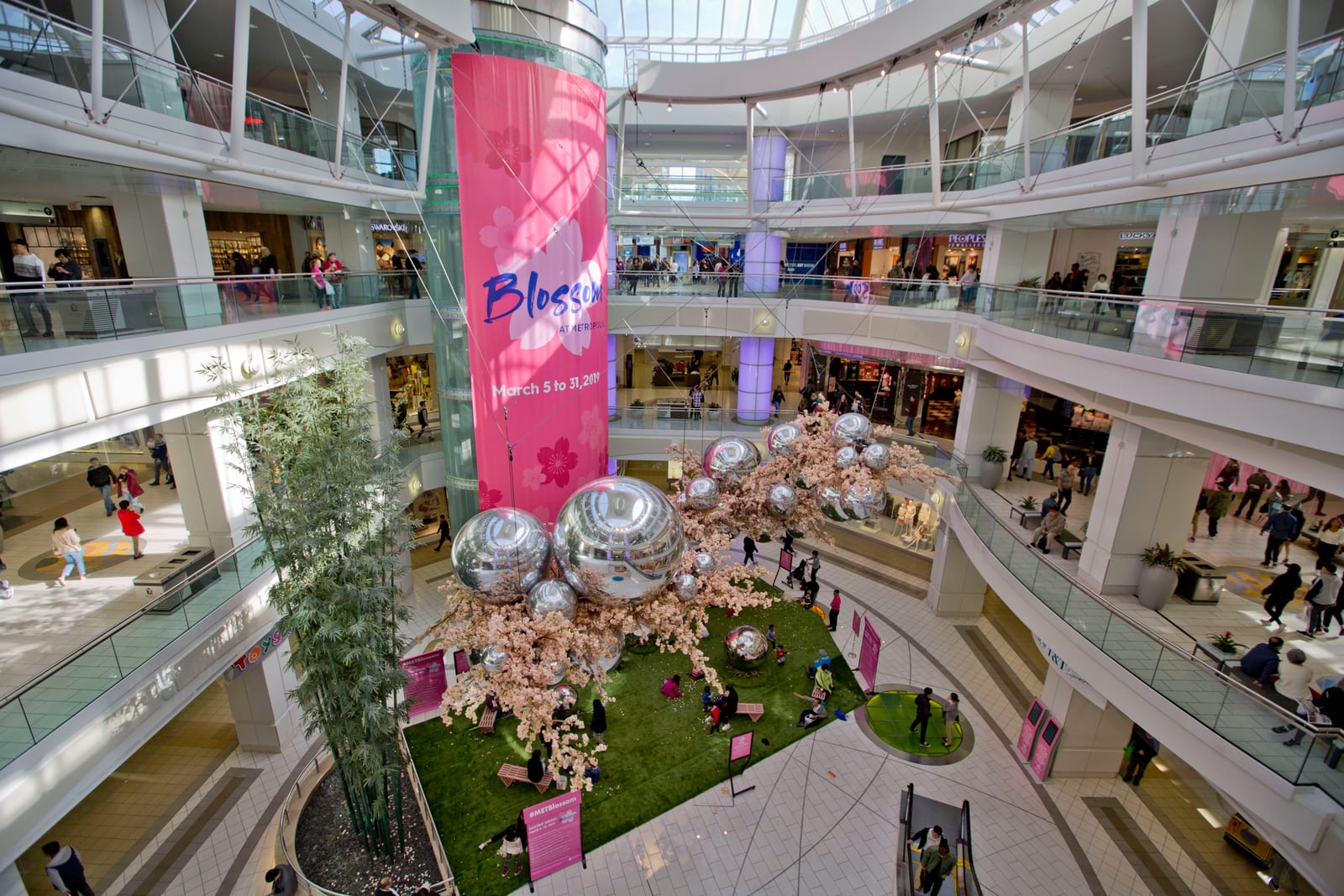
Four and a Half Minutes at Station Square
On 23 April 1988, minutes into the grand opening of a new Save-On-Foods at Station Square, a section of rooftop parking deck fell into the produce department. Nobody died, and the reasons why still shape how buildings get approved in British Columbia.
Artom Butenko · 6 min read