Twenty-Five Minutes on Inlet Drive
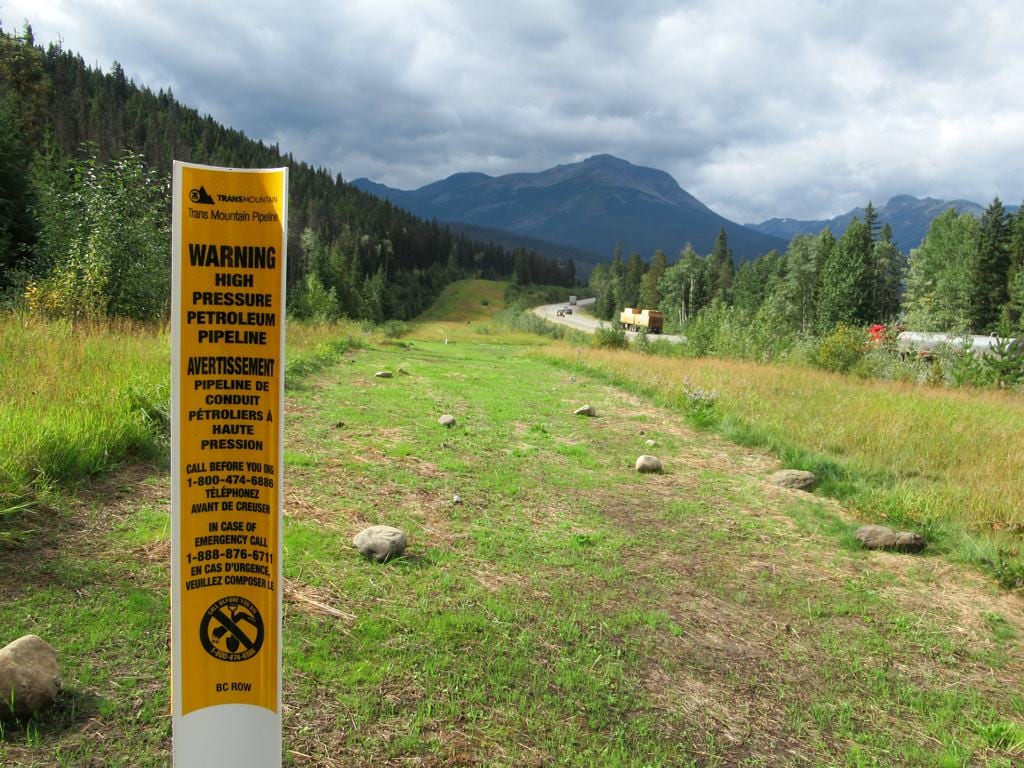
On 24 July 2007, an excavator bucket on Inlet Drive punctured a crude-oil pipeline that had been in the ground since 1953. The cause traced back to a drawing made in 1957.
At 12:31 on the afternoon of 24 July 2007, a contractor's excavator was trenching for a new storm sewer along Inlet Drive in North Burnaby when its bucket struck the Westridge Dock Transfer Line. The line was a 610-millimetre pipe—24 inches across—carrying crude oil. The bucket punctured it. Crude sprayed 12 to 15 metres into the air and kept spraying for about 25 minutes.
The pipe had been in the ground since 1953. It runs roughly 4.13 kilometres from the Burnaby Terminal tank farm to the Westridge Dock on Burrard Inlet, and the strike happened at Kilometre Post 3.10. The line is owned by Trans Mountain Pipeline L.P. and was operated by Kinder Morgan Canada Inc. Eleven houses were sprayed directly with crude.
By the time the flow stopped, about 234 cubic metres of oil had been released—roughly 234,000 litres. Government and press accounts rounded the figure to about 250,000 litres, or 1,500 barrels. Crews recovered around 210 cubic metres. More than 70,000 litres escaped into the storm-sewer system and reached Burrard Inlet.
What the Oil Reached
The spill affected about 50 homes and properties along Inlet Drive and a stretch of the Barnet Highway, which was closed for several days. Around 250 residents left their homes voluntarily. Roughly 1,200 metres of the Burrard Inlet shoreline was oiled, and shorebirds were contaminated. There was no fire, no explosion, and no one was injured.
The pipe was returned to service on 27 July 2007, three days after the strike. Cleanup ran longer. Work on the Burrard Inlet shoreline continued through roughly July to September, and the inlet cleanup alone cost about $15 million, with millions more spent on the affected homes. A consolidated figure for the total civil cost is not in the public record.
A Wrong Line on the Drawing
The Transportation Safety Board investigated and released its findings as report P07H0040. The Board's investigations are designed to identify safety problems, not to assign blame or name individuals, and the report does neither. What it identified was a mapping error.
The design drawings used for the sewer project showed the pipeline running at a constant 8.5-metre offset from the property line. Those drawings were based on a 1957 as-built drawing. When crews surveyed the actual pipe after the spill, they found the offset was not constant at all: it varied between 4 and 9.8 metres along the route. At the point of the rupture, the pipe sat only about 1.5 metres from the centreline of the trench, not the 2.8 metres the drawings implied. The excavator was digging where the paper said there was clearance.
In the Board's words: "The field location of the Westridge Pipeline was not accurately indicated on design drawings, which were based on a 1957 drawing, resulting in an alignment conflict with the trench of the proposed sewer line."
The report also noted that Kinder Morgan Canada had 25 earlier field verifications of the pipe's location. None of them had been used to update the 1957 drawing. The information that would have flagged the conflict existed. It had never made it onto the map everyone was working from.
The Prosecution
The court record is separate from the safety findings, and it does assign responsibility. Charges were laid in 2009. On 3 October 2011, three companies pleaded guilty under section 6 of the provincial Environmental Management Act: Trans Mountain Pipeline L.P., the pipeline's owner; B. Cusano Contracting Inc., the excavation contractor; and R.F. Binnie & Associates Ltd., the engineering consultant. Kinder Morgan Canada Inc. did not plead guilty in that agreement.
On 10 November 2011, Judge Connie Bagnall imposed penalties totalling $550,000. Each of the three companies paid a $1,000 fine plus $149,000 to the Habitat Conservation Trust Foundation. Trans Mountain paid a further $100,000 to the BC Common Ground Alliance, which runs dig-safe education. The Crown was represented by prosecutors Jim Cryder and Jim MacAulay.
There was also a civil dimension. Kinder Morgan and Trans Mountain filed suit against the City of Burnaby, Binnie, and the contractor in December 2009. The outcome of that suit is not clear from the public record.
Burnaby Mayor Derek Corrigan, who was in office at the time, was blunt about the company. Speaking to the Vancouver Sun about Kinder Morgan after the spill, he said: "They underestimate risks, they consistently trivialize risks, they continually talk about the remoteness of odds in those risks, and then they work to limit their own liability in those risks. That's been my experience."
What the Record Shows
Strip the incident to its mechanics and it comes down to a fifty-year-old drawing that was never corrected. The pipe was where it had always been, running under Inlet Drive at a depth and offset that shifted along its length. The drawing said otherwise. Twenty-five field checks that could have caught the discrepancy sat unused, and a bucket found the pipe where the paper said it was safe to dig.
The oil is long cleaned up and the pipe was back in service within the week. The line the excavator hit is still there, still carrying crude between the tank farm and the dock. What the 2007 spill left behind, more than anything, is a documented case of how a small clerical gap—a location on a page that no one reconciled with the ground—became 234,000 litres of crude in the air over a residential street for 25 minutes.
Editor & Publisher
Artom Butenko
Founder and editor of 8 Pages Burnaby. Writes the fact-dense, archival pieces — origins, infrastructure, and the documents that explain how the city works.
More from July 2026
Full issue →
The Rebel Who Built Houses
For twenty-four years the same fierce socialist represented Burnaby in the provincial legislature. He is remembered, if at all, as the father of a man who nearly became premier. His own monument is quieter: a fourteen-storey tower in Edmonds, still full of people who need a cheap place to grow old.
Artom Butenko · 6 min read
The Pioneer on the Station Sign
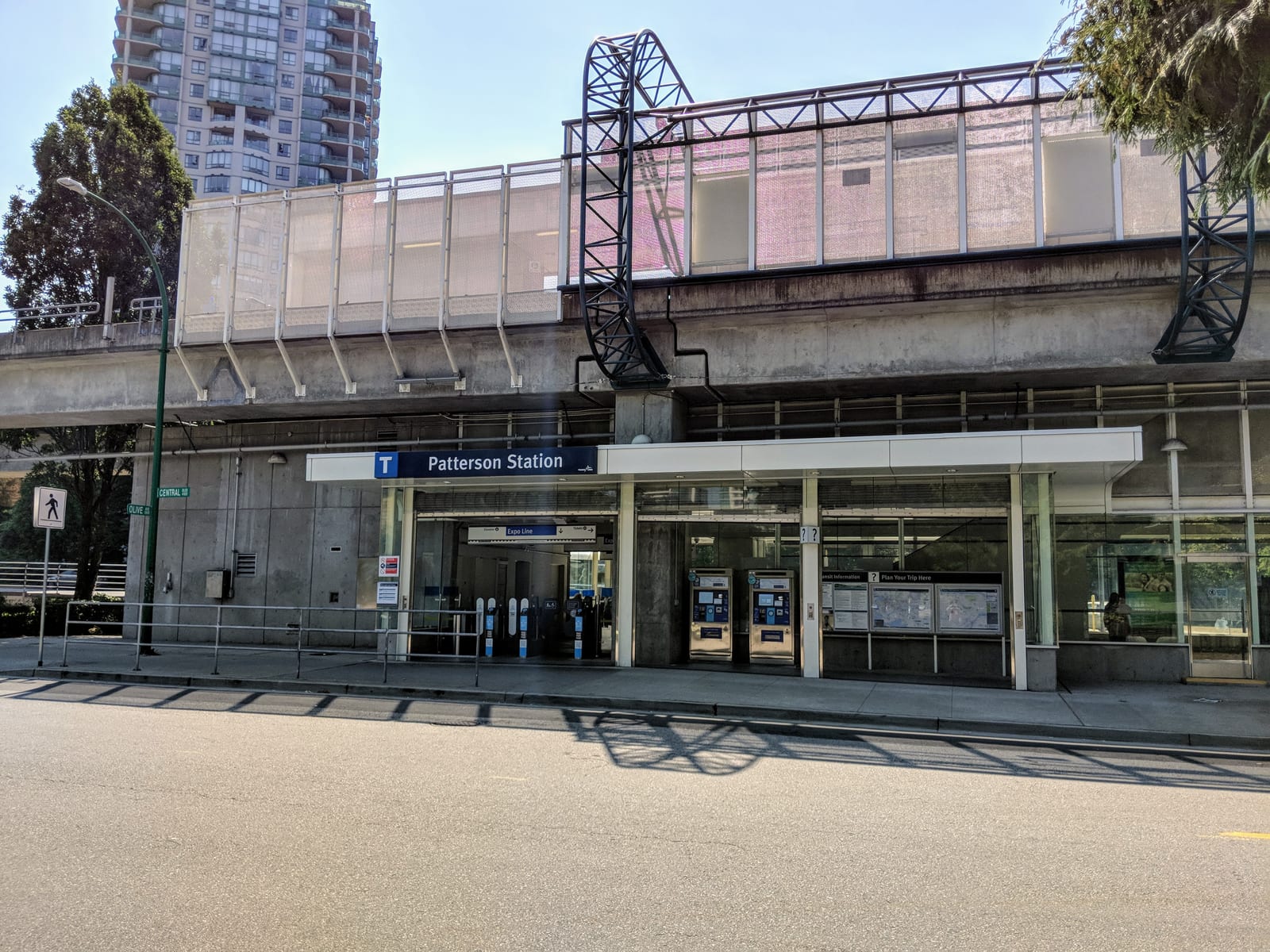
The trail Dugald Patterson cleared across his homestead became an avenue; the wooden tram platform he built became a SkyTrain station. The man himself left far less behind than the places that carry his name.
Artom Butenko · 5 min read
Four and a Half Minutes at Station Square
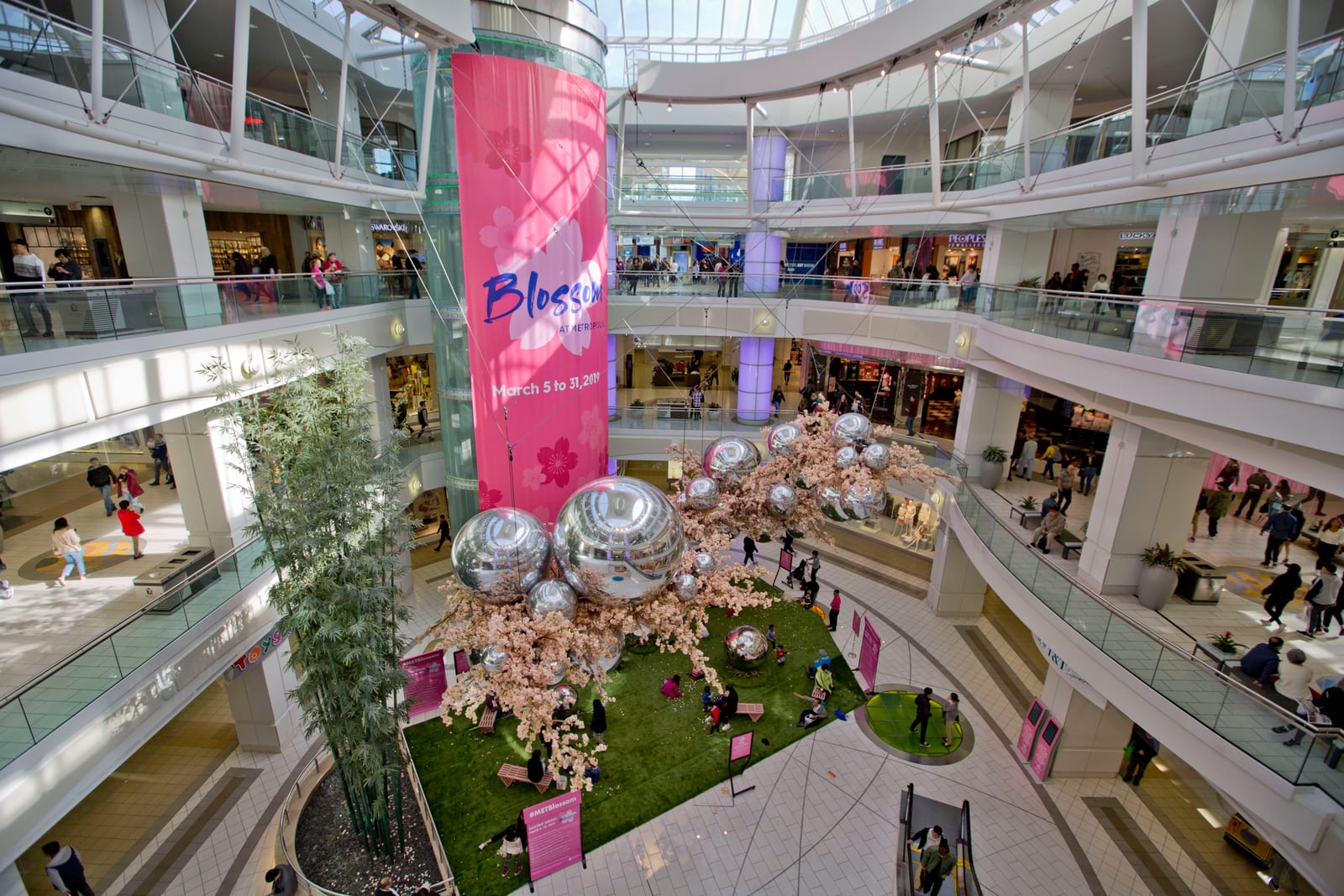
On 23 April 1988, minutes into the grand opening of a new Save-On-Foods at Station Square, a section of rooftop parking deck fell into the produce department. Nobody died, and the reasons why still shape how buildings get approved in British Columbia.
Artom Butenko · 6 min read