The Pioneer on the Station Sign
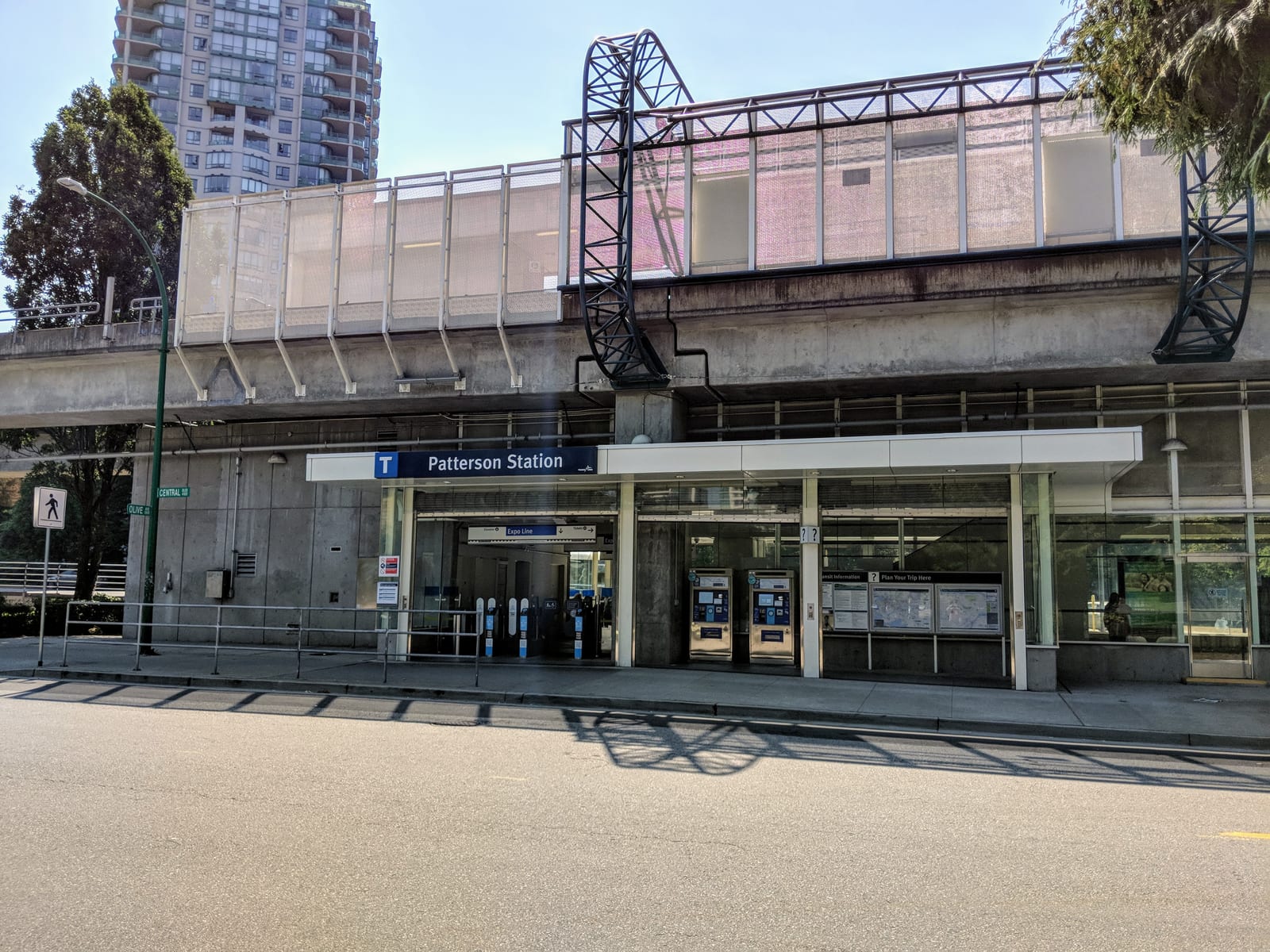
The trail Dugald Patterson cleared across his homestead became an avenue; the wooden tram platform he built became a SkyTrain station. The man himself left far less behind than the places that carry his name.
Every day, commuters on the Expo Line pass through Patterson Station without knowing they are standing on ground once worked by the man it is named for. The station opened in 1985 near Metrotown. Roughly ninety years earlier, on the same rail line, Dugald Campbell Patterson built the thing it descends from: a plain wooden platform on the BC Electric Railway, a whistle stop known as Patterson's Landing. The station is one of the few pieces of him that survives in full public view.
He was born on 2 January 1860 in Partick, Lanarkshire, on the western edge of Glasgow, and trained there as a ship joiner. The family name was Paterson, with one "t." When he arrived in Canada on 1 July 1884, Dominion Day, he added a second one, and Patterson is the spelling that came down to the streets and the station. That arrival date, like most of the details of his early life, comes through a family historian, Raymond Reitsma, and is recorded in the City of Vancouver's Mountain View Cemetery biography. It is well-attested, though the record beyond the family is thin.
Homesteader and Ironworker
In 1894 Patterson settled a five-acre homestead near Westminster Road, the route now called Kingsway. That parcel sits in what is today the north-east corner of Central Park. He cleared a trail across the property; it later took his name and became Patterson Avenue. On 7 February 1891, three years before the homestead, he had married Frances Mabel Webb in Victoria. The couple had seven children.
The trade he had learned in Glasgow followed him across the country and moved from wood to iron. He worked as an engineer and builder in Victoria, then in Vancouver with Armstrong, Morrison & Co., where he is credited with overseeing construction of the Fraser River Bridge at New Westminster. In 1903 he founded his own firm, Vulcan Iron Works, in New Westminster.
The Mountain View biography puts the two smaller monuments plainly: "His other legacies include Patterson Avenue, which he originally built as a trail, and a simple wooden platform stop that he constructed on the BC Electric Railway, that today serves thousands of commuters as Patterson SkyTrain Station." The trail and the platform were practical acts by a man clearing and connecting his own corner of a young municipality. They outlasted the reasons he made them.
Postmaster, Trustee, Poet
In 1910 Patterson moved to the Edmonds district and built a house there. The building survives as the heritage-listed Dugald and Frances Patterson House, since relocated to 7106 18th Avenue. He became the first postmaster of the Edmonds district in 1909, and in 1912 he was elected a Burnaby school trustee. He was also among the first residents to press council to keep Burnaby's ravines as parkland rather than let them be filled or built over.
Late in life he turned to writing. In 1930 he published a book of poetry, a year before his death on 25 June 1931 in Vancouver. The collection is the closest thing in the public record to Patterson speaking in his own voice; the rest of him has to be read off maps, cemetery files, and heritage inventories.
One family story sits outside all of this and has to be handled carefully. Family tradition holds that in 1915 the British government sent Patterson to Scotland to supervise Canadians building submarines on the River Clyde, and that an injury there left him in a wheelchair. That account appears in no period newspaper or independent source, only in family memory, and it should be read as tradition rather than fact. It is also worth separating from Burnaby's documented First World War submarines, which were built at Barnet for the Russian navy by a different man, James Venn Paterson. The two stories are unrelated.
What can be verified is the shape of a working life laid over a stretch of ground that turned, within his lifetime, from homestead into municipality. He named a district's post office, cleared a trail that became a street, put up a rail platform that a transit line later inherited, and argued for the ravines that Burnaby still keeps. The man himself stays mostly out of reach. The record is nearly silent on what he was like. What is left is the map he helped draw and the sign the trains still pass.
Editor & Publisher
Artom Butenko
Founder and editor of 8 Pages Burnaby. Writes the fact-dense, archival pieces — origins, infrastructure, and the documents that explain how the city works.
More from July 2026
Full issue →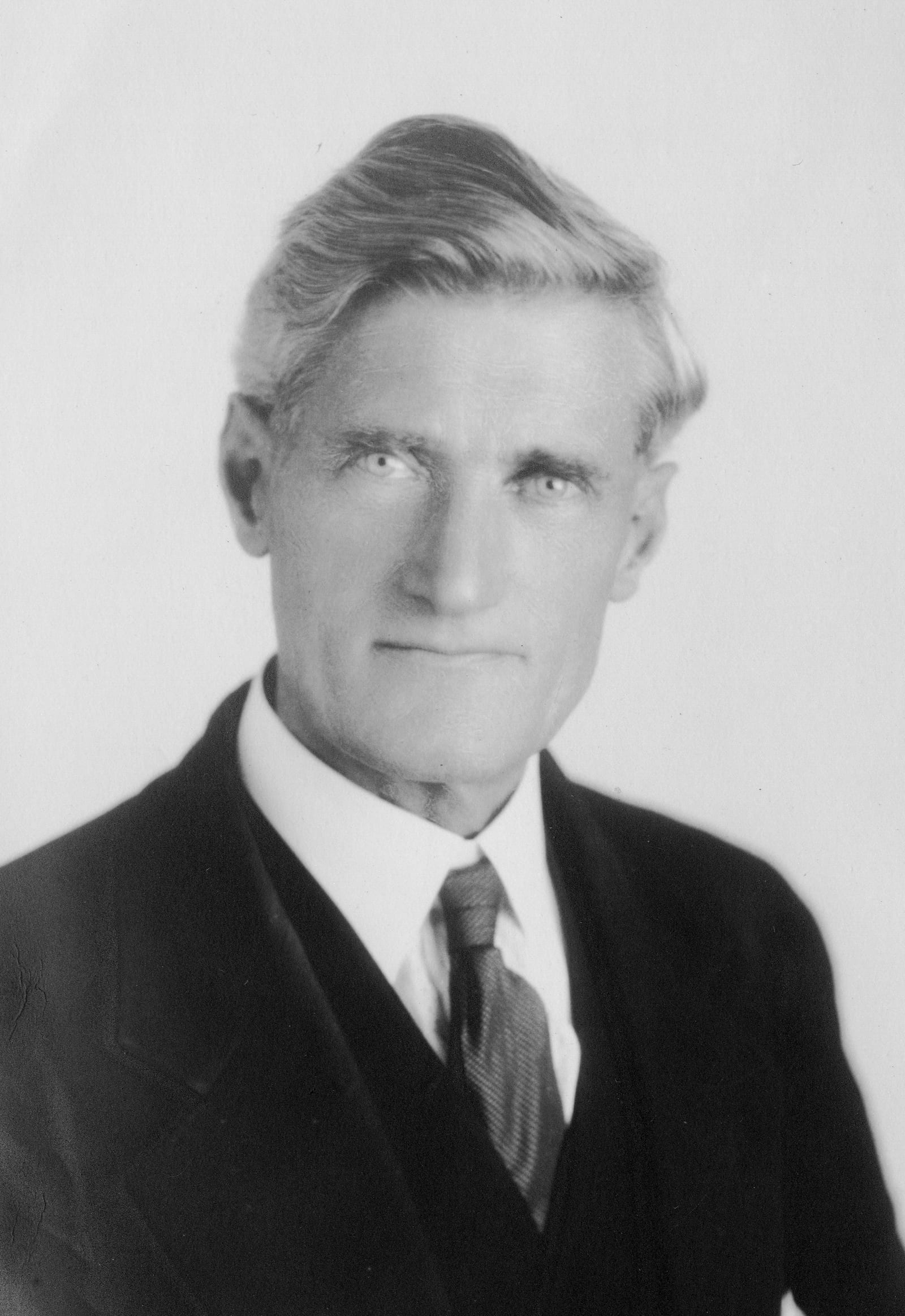
The Rebel Who Built Houses
For twenty-four years the same fierce socialist represented Burnaby in the provincial legislature. He is remembered, if at all, as the father of a man who nearly became premier. His own monument is quieter: a fourteen-storey tower in Edmonds, still full of people who need a cheap place to grow old.
Artom Butenko · 6 min read
Twenty-Five Minutes on Inlet Drive
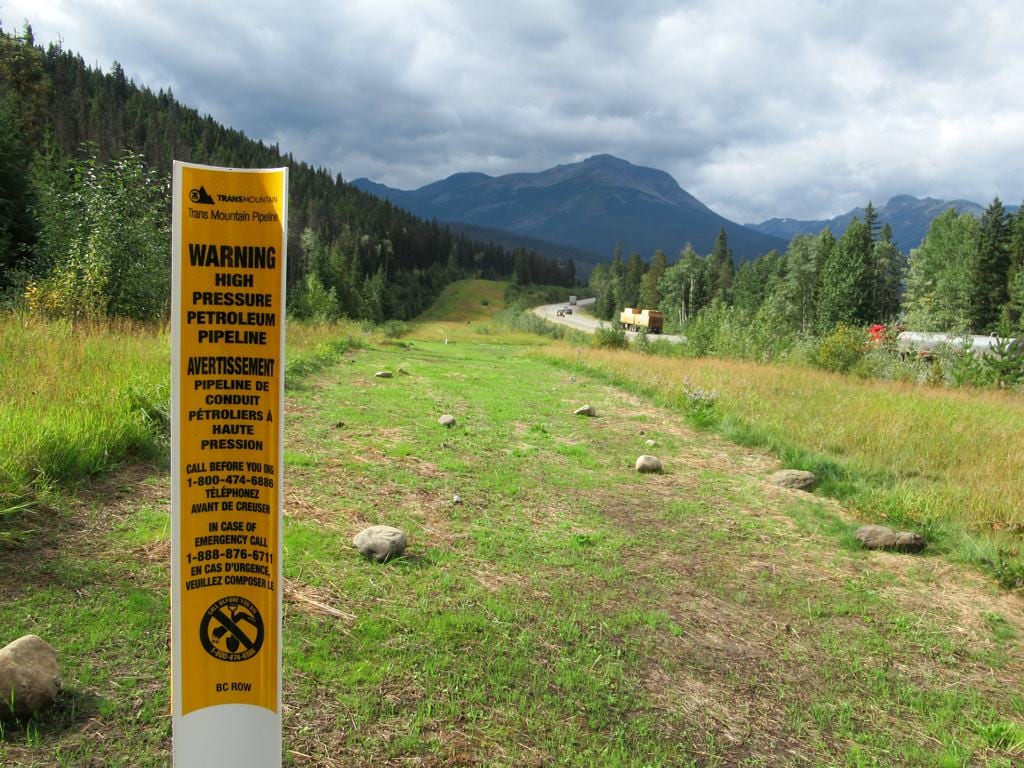
On 24 July 2007, an excavator bucket on Inlet Drive punctured a crude-oil pipeline that had been in the ground since 1953. The cause traced back to a drawing made in 1957.
Artom Butenko · 6 min read
Four and a Half Minutes at Station Square
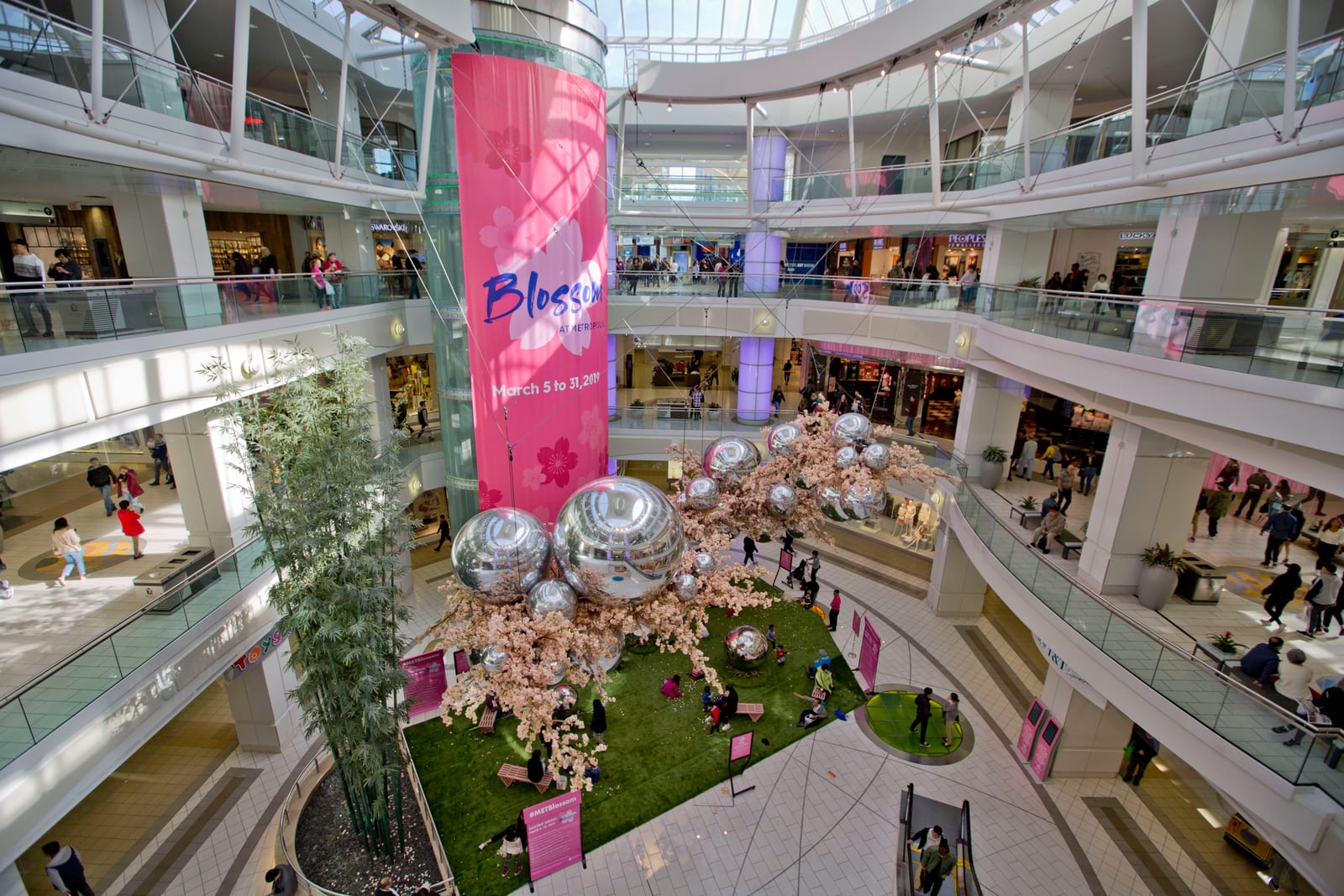
On 23 April 1988, minutes into the grand opening of a new Save-On-Foods at Station Square, a section of rooftop parking deck fell into the produce department. Nobody died, and the reasons why still shape how buildings get approved in British Columbia.
Artom Butenko · 6 min read