Four and a Half Minutes at Station Square
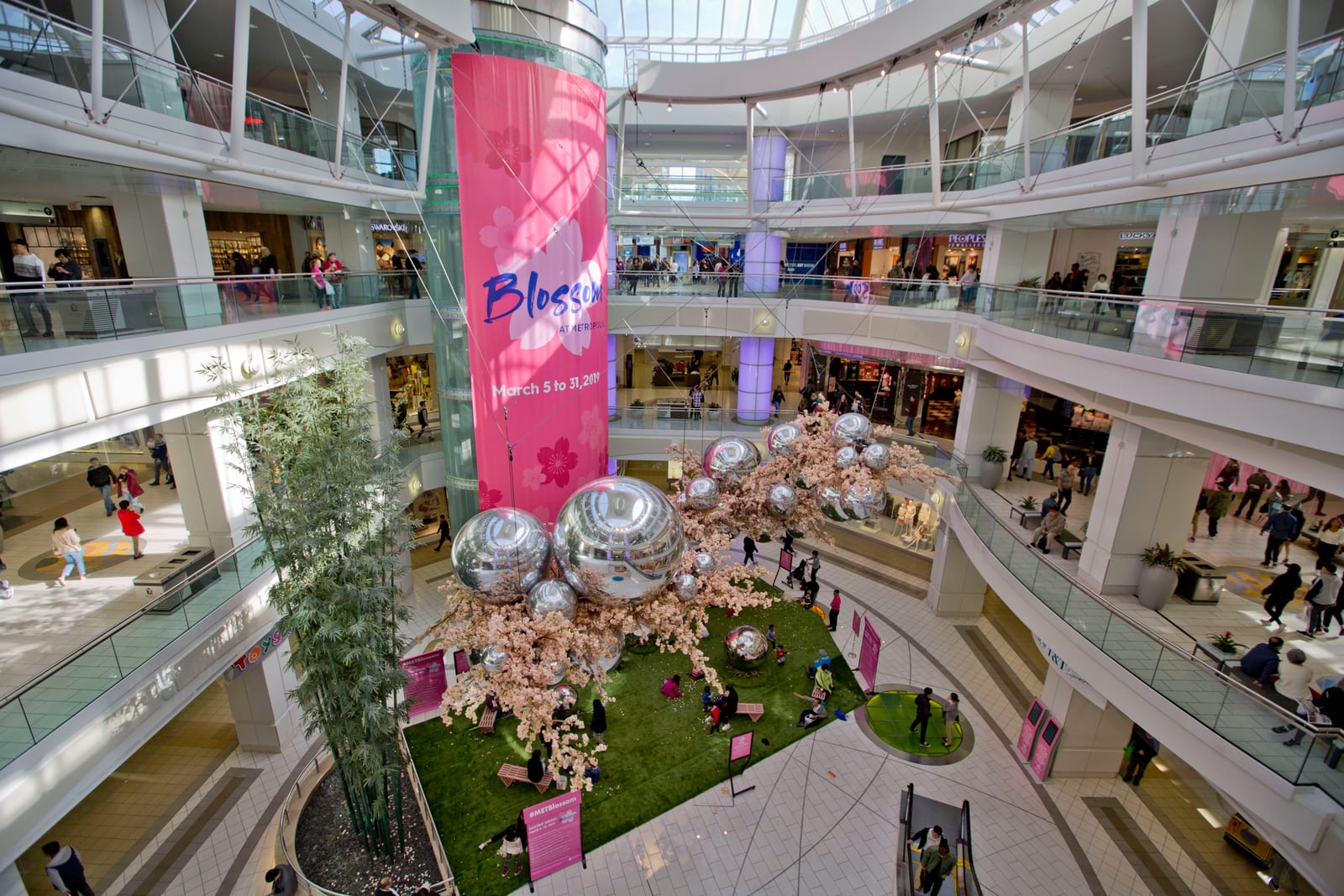
On 23 April 1988, minutes into the grand opening of a new Save-On-Foods at Station Square, a section of rooftop parking deck fell into the produce department. Nobody died, and the reasons why still shape how buildings get approved in British Columbia.
At about 9:15 on the morning of 23 April 1988, roughly 20 cars and a 590-square-metre section of roof came down into the produce department of a new Save-On-Foods at Station Square in Metrotown, Burnaby. The store had opened its doors about fifteen minutes earlier for a senior-citizens' sale. Around 600 customers, most of them elderly, were inside, along with some 370 employees. Twenty-one people were injured. None were killed.
The building was a single-storey steel-frame box of about 90,000 square feet, roughly two acres under one roof, standing about 25 feet high. Its flat roof doubled as a parking deck rated for some 235 cars. Four structural bays failed. The 6,400 square feet of deck and vehicles that fell landed on the part of the store that had drawn the earliest crowd on opening morning.
The morning it fell
Presiding over the opening was Burnaby's mayor, Bill Copeland, a former firefighter. In the minutes before the collapse he noticed a column and a beam beginning to deform. What he described to the later Commission of Inquiry reads plainly: "I could see the distortion of the post, and looking up from that you could see that there was distortion above, on the beam, and I knew at that moment that something disastrous was going to happen."
Copeland warned staff and helped move people out. The store was cleared in about four and a half minutes before the final collapse. That interval is the reason this is a story about injuries rather than deaths.
One person could not get clear. Larry Nichols, a utility clerk, was cleaning up in the danger zone when the deck came down and pinned him. Firefighters worked him free using two pallet jacks. He suffered a crushed pelvis.
Why the roof came down
The failure was designed in, then compounded, then signed off.
The load path over one column ran through a steel beam that the inquiry found had been changed during design from a heavier W24x104 to a lighter W24x76. The lighter beam lacked adequate lateral bracing, which left its lower flange free to buckle under load. On top of that, the dead load the beam was asked to carry grew after the design was set. The roof topping was thickened from two inches to three. A rooftop sidewalk was widened from about 5.5 feet to about 11.5 feet and poured as solid concrete. Together those changes raised the beam's dead-load moment by roughly 55 per cent, and the beam was never re-checked against the heavier load.
There was a warning inside the process. A second firm, brought in for independent review, flagged the beam as too weak. A fix was planned, then cancelled after a steel mill certificate indicated the delivered steel tested about 26 per cent stronger than specification. The inquiry rejected that reasoning outright, finding a mill certificate is not a valid measure of the actual strength of a beam once it is built into a structure. Its verdict on the sequence was blunt: "The beam was greatly underdesigned. The beam column assembly lacked essential lateral supports. Failure was inevitable."
The work was spread across several firms. Tamm Tacy and Associates were the design engineers, working on what the inquiry noted was a very low fee. The MSS Group did the independent review. Urban Design Group were the architects, Amako Construction the general contractor, and Empire Iron Works supplied the steel. Save-On-Foods, part of Jim Pattison's Overwaitea chain, was the tenant. The developer was Wesbild, through Station Square Developments.
What the inquiry changed
The province acted quickly. By Order-in-Council 830, dated 6 May 1988, it appointed Dan J. Closkey, a professional administrator rather than a judge, as commissioner. He held ten days of hearings between 30 May and 6 July 1988, heard 47 sworn witnesses, and delivered his report on 26 August 1988 with 19 recommendations.
Closkey framed the four-and-a-half-minute evacuation as a warning the province should not waste. "The four-and-one-half minute delay prior to the final collapse averted a greater tragedy," the report reads. "The people involved in the next disaster, whatever that may be, may not lose only their cars."
The central reform put architects and engineers primarily on the hook for building-code compliance on major buildings. That principle became the province-wide "Letters of Assurance," the Schedule A, B and C documents, brought in with the 1992 BC Building Code and still in use. The report's recommendations also cleared the way for APEGBC to register firms and set a minimum fee schedule, required structural engineers to pass a special examination and carry liability insurance, and called for independent structural review at the permit stage. In 1989 an APEGBC disciplinary panel found four engineers guilty of incompetence, negligence or unprofessional conduct.
The store itself was repaired and reopened. It ran until 2012. The Station Square complex was demolished in 2013, and a new Save-On-Foods opened in the tower redevelopment on the site in late 2015.
One figure in the record does not settle cleanly. The commission's report and most later accounts put the injury count at 21; one 1988 chronology gives 15. The figures used here follow the report: about 600 customers, about 370 staff, 21 injured. Whichever number is right, the more consequential one is four and a half minutes, and the fact that a mayor who used to fight fires happened to be watching the right column at the right time.
Editor & Publisher
Artom Butenko
Founder and editor of 8 Pages Burnaby. Writes the fact-dense, archival pieces — origins, infrastructure, and the documents that explain how the city works.
More from July 2026
Full issue →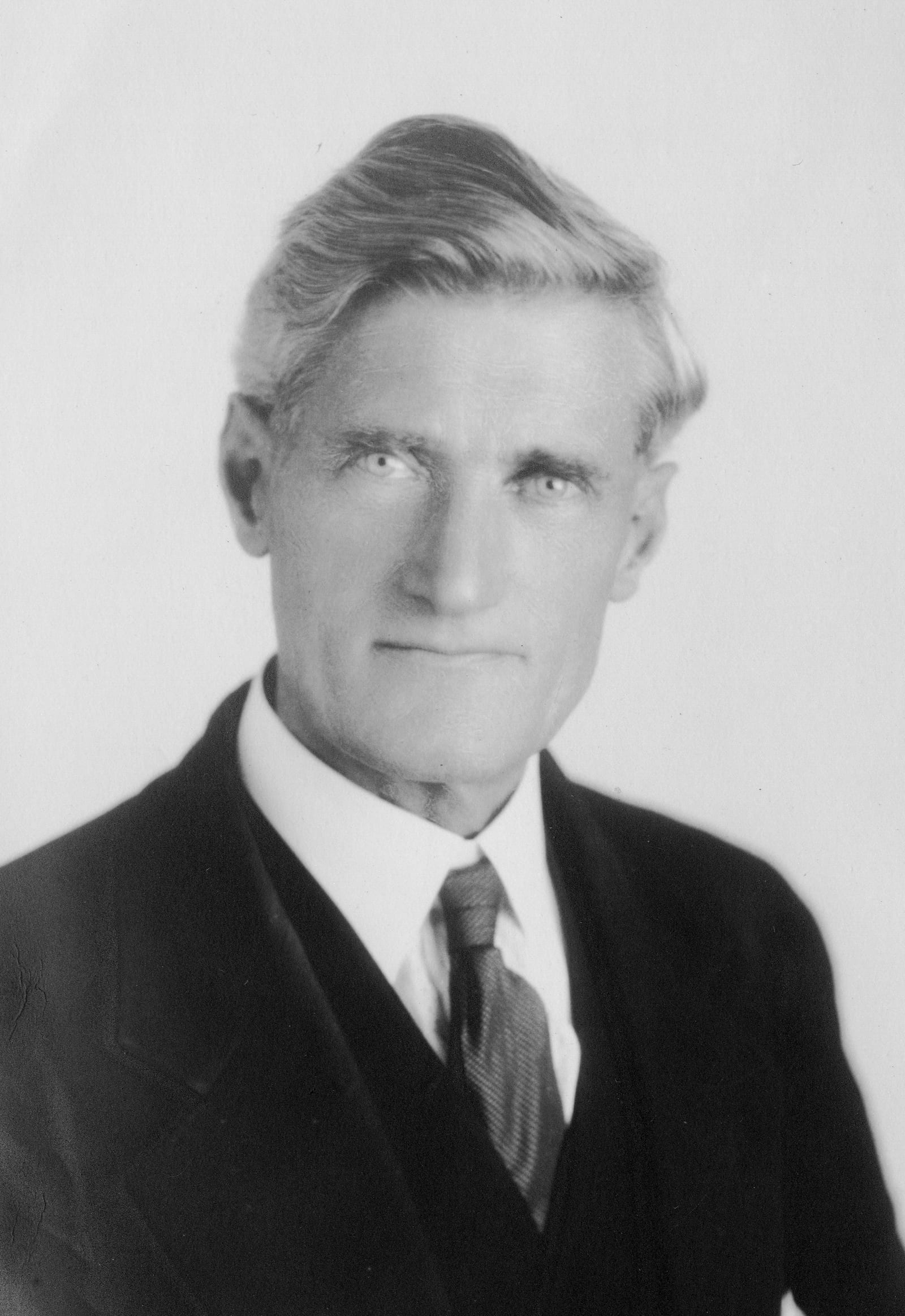
The Rebel Who Built Houses
For twenty-four years the same fierce socialist represented Burnaby in the provincial legislature. He is remembered, if at all, as the father of a man who nearly became premier. His own monument is quieter: a fourteen-storey tower in Edmonds, still full of people who need a cheap place to grow old.
Artom Butenko · 6 min read
The Pioneer on the Station Sign
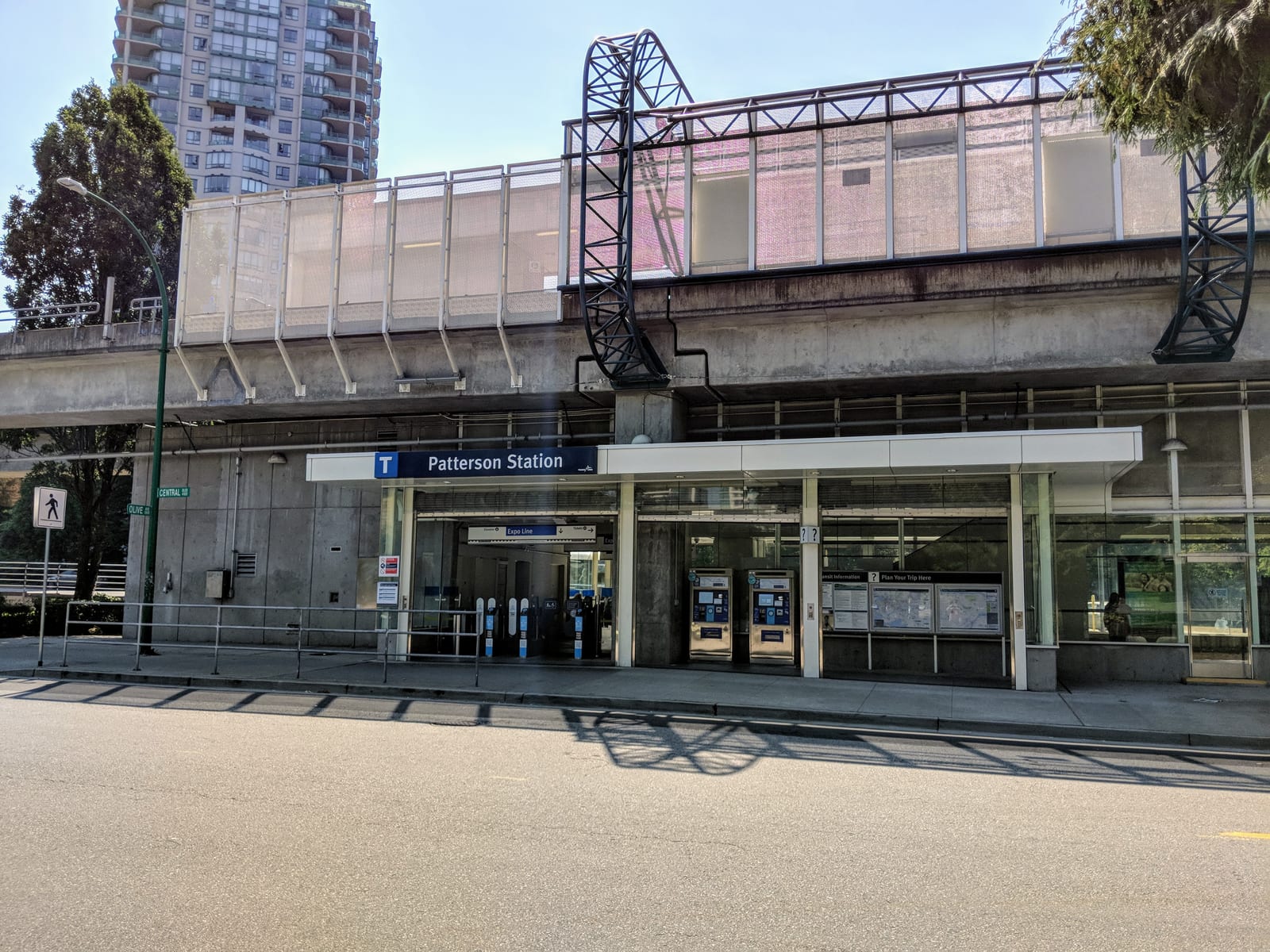
The trail Dugald Patterson cleared across his homestead became an avenue; the wooden tram platform he built became a SkyTrain station. The man himself left far less behind than the places that carry his name.
Artom Butenko · 5 min read
Twenty-Five Minutes on Inlet Drive
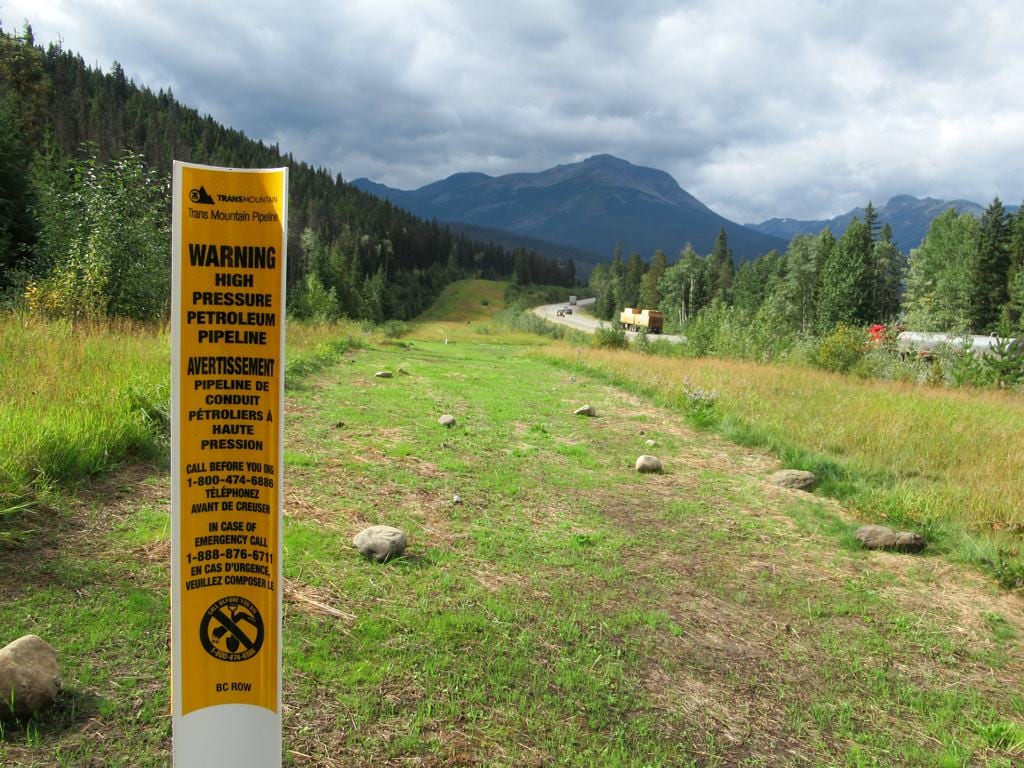
On 24 July 2007, an excavator bucket on Inlet Drive punctured a crude-oil pipeline that had been in the ground since 1953. The cause traced back to a drawing made in 1957.
Artom Butenko · 6 min read