A Bungalow with No Bedrooms: The Disguised Tunnel Shaft on Frances Street
3911 Frances Street has hedges, a mature tree, wrought-iron fencing, and no one living inside. Sixty-two metres below, a freight railway tunnel moves forty million tonnes of export cargo a year. The house is a ventilation fan disguised as a home.
3911 Frances Street in Willingdon Heights looks like a bungalow. It occupies two standard residential lots, generous for the neighbourhood but not unusual. But it has no mailbox, no curtains in the windows, and no car has ever sat in the driveway.
Nobody lives there. Nobody has ever lived there.
Stand on the sidewalk and look at it. The lawn is mowed. The hedges are trimmed. Everything about the building says someone is home. Everything about the silence says otherwise. It sits between real houses the way a dental crown sits between real teeth — shaped correctly, hollow inside.
What the building actually does
Sixty-two metres below the foundation, CN Rail's Thornton Tunnel runs through the bedrock of North Burnaby. The tunnel is 3.2 kilometres long, completed in 1968 or 1969. Records vary on the exact date. It carries freight trains loaded with coal, grain, potash, and lumber bound for the port terminals at Roberts Bank and Deltaport.
The building at 3911 Frances sits directly above the tunnel's midpoint. Inside: a massive exhaust fan system. When a diesel locomotive passes through, the fans activate and clear the exhaust gases from the tunnel bore. Before a 2022 upgrade, trains had to wait twenty minutes between passages for ventilation. After the upgrade, that interval dropped to ten minutes.
In 2018, fourteen trains a day used the tunnel. CN Rail projects twenty-five per day by 2030. The tunnel moves more than forty million metric tonnes of export cargo annually, representing a large share of Canada's Pacific trade. All of it passes under a quiet residential street in Burnaby.
Why it looks like a house
CN built the ventilation building in 1982. The tunnel had been operating for over a decade by then. The fan system needed to sit at the tunnel's midpoint, and the midpoint happened to fall under Frances Street in Willingdon Heights. A neighbourhood of single-family homes, backyard gardens, and people who did not want an industrial ventilation plant on their block.
So CN disguised it. Hedges. Fencing. A roofline that matches the neighbourhood. The building performs the architectural minimum required to pass as residential. It does not need to convince anyone up close. It needs to not alarm anyone driving by.
This approach is unusual. Most railway tunnel ventilation facilities are industrial: concrete structures behind chain-link fencing, visible fans, warning signage. The Frances Street building appears to be a specific concession to its location. A residential neighbourhood demanded a residential costume. CN obliged, and then kept mowing the lawn for forty years.
The neighbours know
Frances Street is quiet. The real homes on the block have the things real homes have: recycling bins, garden hoses, children's bicycles leaning against garages. 3911 sits among them with its careful hedges and its total silence. The neighbours presumably know what the building is. No published interviews with Frances Street residents exist on the subject, which may itself be telling. When something has been there for over forty years, it stops being strange. It becomes furniture.
On the surface, the tunnel betrays nothing. You won't feel a rumble or catch a smell. The fan system does its work below the threshold of notice. A train carrying ten thousand tonnes of coal passes sixty-two metres beneath your feet, and you feel nothing.
Burnaby's habit of hiding things
The Frances Street bungalow is one of several pieces of heavy infrastructure concealed within Burnaby's residential fabric. The Trans Mountain pipeline runs through backyards and under parks, its route marked only by occasional yellow posts that most residents walk past without reading. Burnaby is a suburban city built on top of industrial systems that prefer not to be seen.
This is the arrangement: residents get quiet streets, and industry gets invisible corridors. It holds until a pipeline leaks, or a tunnel needs widening, or the traffic projections prove accurate and twenty-five trains a day require a ventilation system the current building cannot handle.
For now, the bungalow at 3911 Frances Street sits on its double lot with its hedges and its ornamental fencing. Below it, forty million tonnes of cargo move through the dark every year. The house has no bedrooms, no kitchen, no family. It has fans. It exhales for a tunnel that keeps the country's exports moving, one diesel train at a time, under a street where people walk their dogs on sixty-two metres of solid bedrock.
Editor & Publisher
Artom Butenko
Founder and editor of 8 Pages Burnaby. Writes the fact-dense, archival pieces — origins, infrastructure, and the documents that explain how the city works.
More from April 2026
Full issue →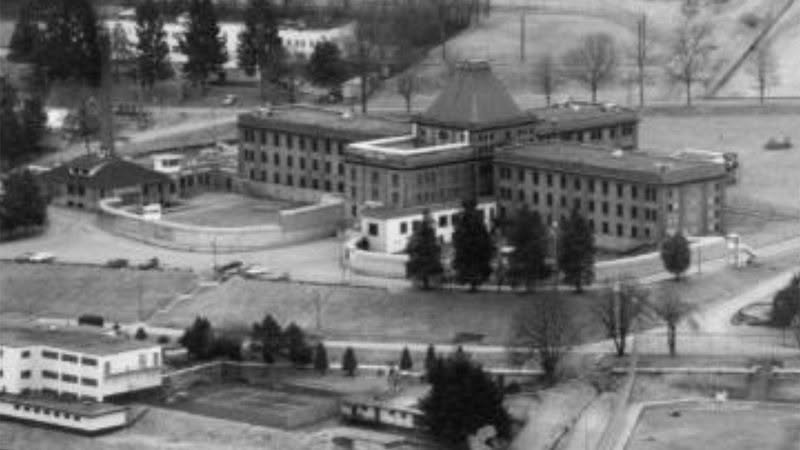
Oakalla: The Prison That Became a Neighbourhood
For eighty years, a 185-acre prison farm stood beside Deer Lake. Inmates grew vegetables, milked cows, and were hanged in an abandoned elevator shaft. A doctor gave them new faces. A punk bassist served time in the cells. When the last inmates left in 1991, the city tore everything down and sold townhomes on the land. The bricks from the cellblocks line the new walkways.
Artom Butenko · 8 min read
The Boxer, the Interpreter, and the Coloured Section
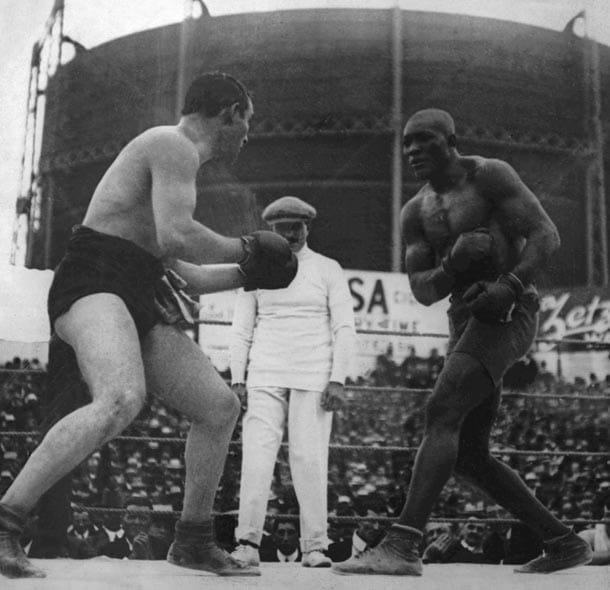
Ocean View Burial Park was established in 1918 as Burnaby's first non-sectarian cemetery, receiving its first interments the following year. In 1929, it created a section for "any person of colour." Buried there: the first Chinese-born Canadian, a court interpreter who fought for rights he was never granted in life. Nearby, in a pauper's grave: the only Canadian-born world heavyweight boxing champion, five-foot-seven and ordained.
Artom Butenko · 7 min read
The Secret Submarines of Barnet Beach
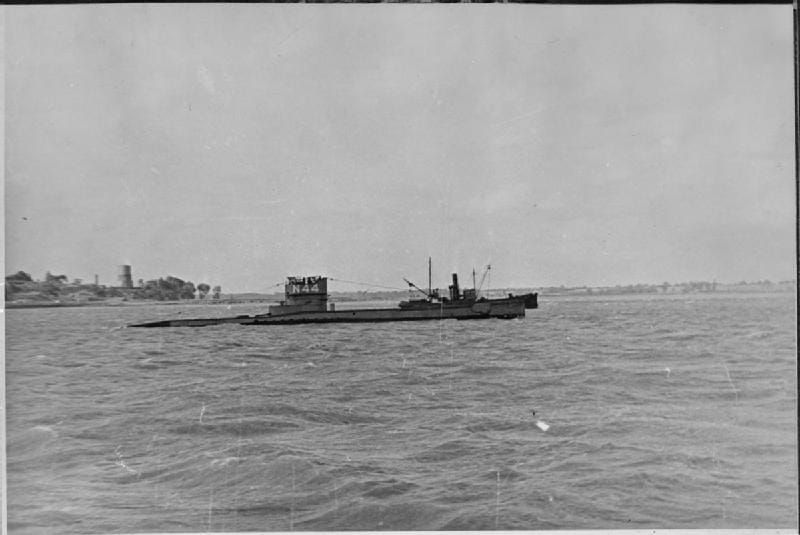
During the First World War, 460 workers assembled submarine hulls for the Russian Imperial Navy on a Burnaby beach. The official story was barges. Guards patrolled behind barbed wire. Three hulls were finished before the Revolution ended the contract in 1917.
Artom Butenko · 5 min read