The Storm That Ate the Surplus
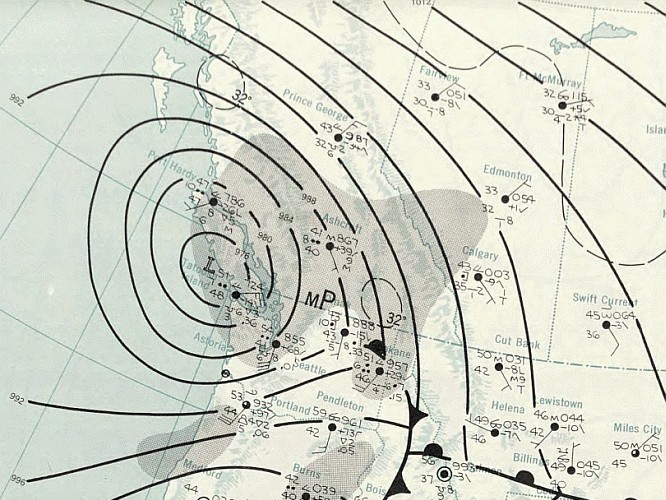
Vancouver's mayor called Typhoon Freda the worst storm in the life of his city. Burnaby wrote it down the way a municipality does: a repair list on the Monday, and two weeks later a new line in the budget.
Two weeks after the storm, on 29 October 1962, Burnaby's municipal manager brought council the year's recast budget, and with it a sentence any treasurer would recognize. The budgeted surplus of $90,053, the minutes record him saying, "remained intact until Typhoon Frieda arrived."
Below it sat a new line. Storm Damage, $30,000.
Frieda, or Freda (Burnaby's own records spell it both ways), had come through on the night of Friday, 12 October. Tom Alsbury, the mayor of Vancouver, called it "the worst storm to hit Vancouver in the life of our city." Seven people died in British Columbia, killed when trees or poles fell on the cars they were in. The power went out from Horseshoe Bay to Hope. What Burnaby kept from that night is paperwork, and read slowly, the paperwork turns out to be good company.
The forecast said fine
The storm began as a typhoon in the western Pacific and had weakened into a tropical storm by the time it neared the coast. Off northern California it ran into another low-pressure system and came back to life, much stronger than before. When the University of Washington meteorologist Cliff Mass went back through the record in 2012, he found that the forecast issued on 11 October had called for "improving conditions and no storm." Forecasters only understood what was coming the next morning, once ships at sea began sending in their reports.
By about eleven that night it was at its worst over the Lower Mainland. The instruments at Vancouver airport logged a gust of 126 km/h, and at Abbotsford the wind reached 145. Burnaby had five weather stations of its own that night, at Capitol Hill, Vancouver Heights, the Burnaby Mountain terminal, Brantford and Edmonds, and every one of them was a rain gauge. Capitol Hill caught 21.8 millimetres. How hard the wind blew over Burnaby itself is a number nobody took.
Monday at the Municipal Hall
Council met at 7:30 on Monday evening in the Municipal Hall at 4545 East Grandview-Douglas Highway. Reeve Alan Emmott was absent, so Councillor H. Kalyk chaired as acting reeve, with Blair, Edwards, Harper and MacSorley at the table.
The municipal manager reported "widespread damage in Burnaby" and put a figure on it: about $37,500 to put right. Then he went through the list. The engineering department needed about $10,000. Parks needed about $20,000, because "most of the damage occurred in parks." The main branch of the library had $2,000 of repairs coming, and houses the municipality owned had taken about $500. Add those up and you get $32,500, which leaves five thousand dollars of his estimate unexplained, and the minutes record nobody asking about it.
He mentioned two possible damage claims against the municipality, "although neither are of large amounts." The fire department had answered 51 alarms during the storm and just after it, "none of which proved to be serious." He also had a practical offer for residents: the municipality was hauling storm debris from its own property to the dump, and private owners were free to bring theirs too.
Then the civil defence co-ordinator spoke. His organization, the minutes say, "was likely used" to help the RCMP during the storm. That likely is in the original. Three days after the storm, the person in charge of emergency response was still not entirely certain what emergency response had done.
Before moving on, Kalyk thanked radio station CKNW on behalf of council and the public "for the service rendered by it during the storm."
A screen on Lougheed Highway
Three photographs in the City of Burnaby Archives show the damage at the Lougheed Drive-In Theatre, in the 4200 block of Lougheed Highway at Gilmore Avenue. One is of the projection tower and the screen, one is of the screen alone, and the third looks down the highway along the damaged fence. They survive as contact prints about three centimetres square, roughly the size of a postage stamp, copied in 1991 from negatives that have taken on a pink cast.
On Dominion Street near Burnaby Lake, a late-1950s snapshot of the Small family's house carries a note added years afterward about the maple in the front yard, one of a row John W. Roberts had planted along the boulevard. "Much of this tree, along with many others in the neighbourhood, was blown over during Typhoon Frieda on October 12, 1962."
The best first-hand description of the night comes from next door. Al Sholund, writing later for Port Moody's heritage pages, remembered that "it sounded as if a jet plane was landing in the backyard." His power was off for four or five days. So many people lost shingles, and shingles ran so short afterward, that "there were a lot of multi-coloured roofs for months." Burnaby's roofs went through the same night.
Thank-you letters
On 22 October, with Emmott back in the chair, council voted unanimously to write to BC Hydro, "commending it for the excellent rehabilitative work performed by it in restoring electrical service to the Lower Mainland area following the severe wind storms which struck this region between October 11th and October 13th, 1962."
At the same meeting a letter arrived from the South-East Burnaby Ratepayers Association asking that all electrical wiring be put underground. Council sent it to committee. It would make a tidy story if the storm had prompted that letter, and maybe it did, but the minutes never connect the two.
That same day the voters of Burnaby–Coquitlam went to the polls in a federal by-election and sent Tommy Douglas to Ottawa.
A week later came the budget meeting and the $30,000 line. After that the storm drops out of the minutes for good. We read every council meeting from November 1962 through April 1963, and the two damage claims and the library repairs disappear along with it.
So the official record of Burnaby's typhoon runs exactly two weeks, from a Monday-night list of repairs to a line in a budget. What it leaves out is everything a person would want to know: whether anyone in Burnaby was among the seven dead, how long houses here sat in the dark, which building was the library's main branch that autumn and what the wind did to it. Those answers are probably in the New Westminster Columbian for that weekend, which has never been put online. It sits on microfilm, waiting for someone with an afternoon to spare.
Editor & Publisher
Artom Butenko
Founder and editor of 8 Pages Burnaby. Writes the fact-dense, archival pieces — origins, infrastructure, and the documents that explain how the city works.
More from October 2026
Full issue →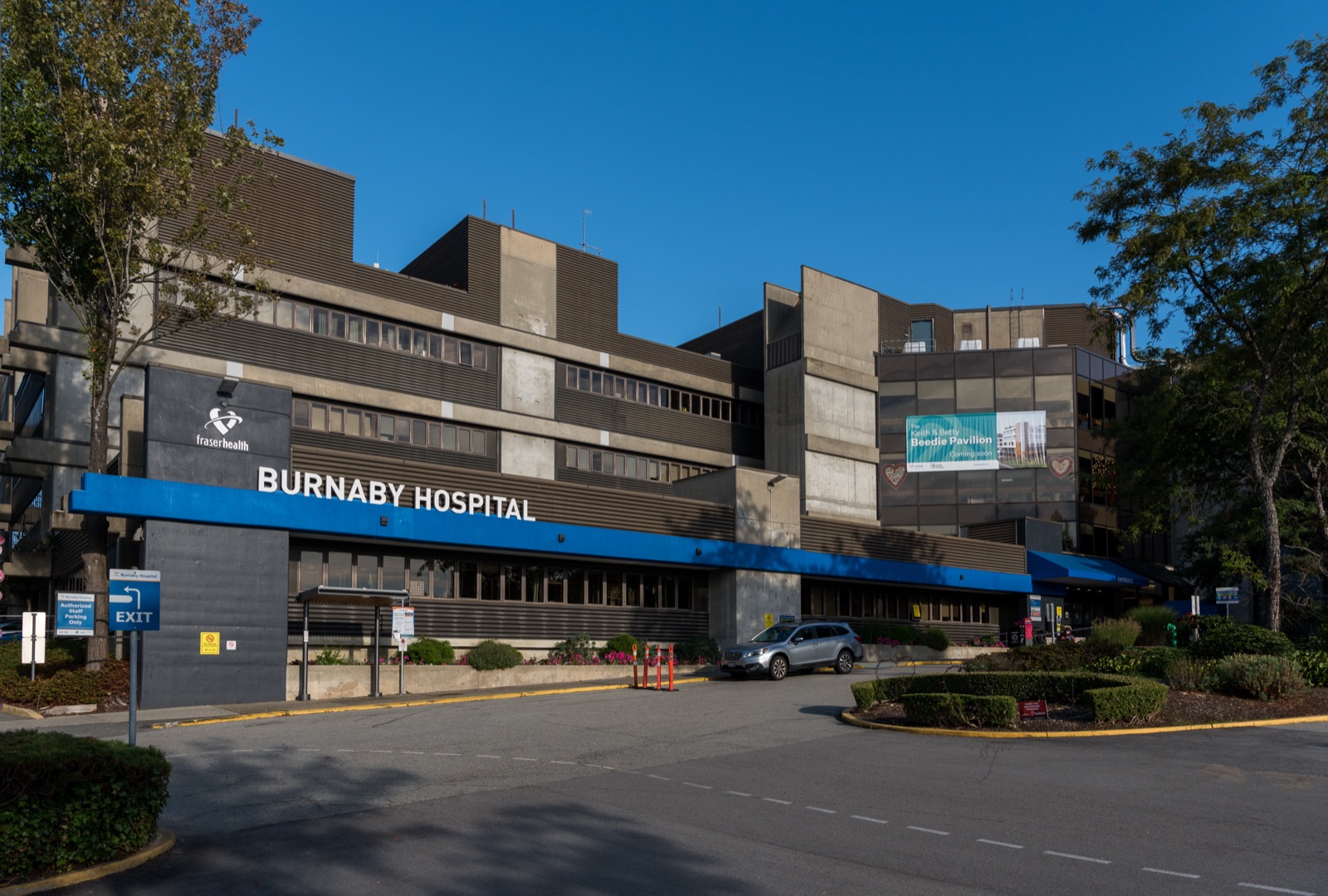
The Hospital on the Hill
Until 1952, a sick person in Burnaby went to Vancouver or New Westminster, or stayed home and waited for the doctor. Then residents raised a hospital of their own, a door-knock and a raffle ticket at a time, on a hill in Cascade Heights.
Artom Butenko · 7 min read
The Beaver Level
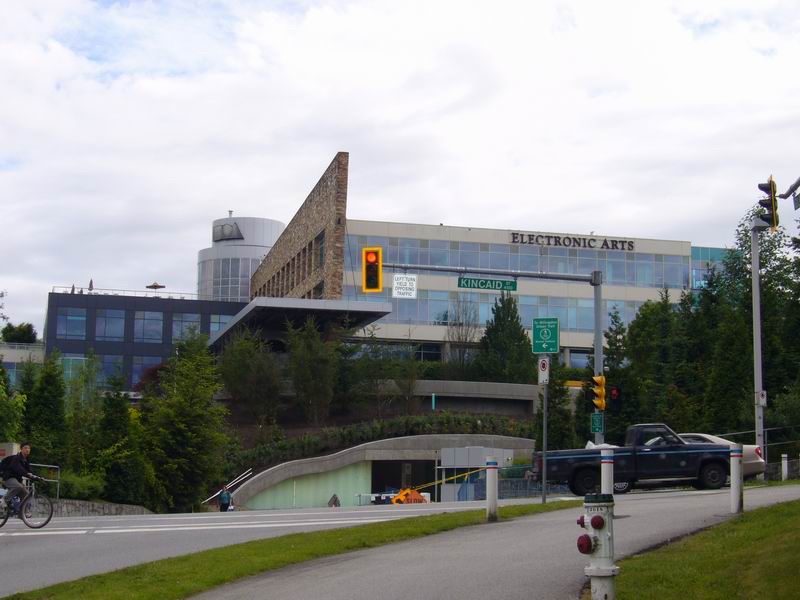
In 1982 two Burnaby teenagers wrote a computer game about evolution, and a ten-year-old tester talked them into adding a beaver. The company they built around that game became EA Canada, and the reason the FIFA series was made in Burnaby.
Ilarion Bohatyrov · 6 min read
The Department That Went on Strike
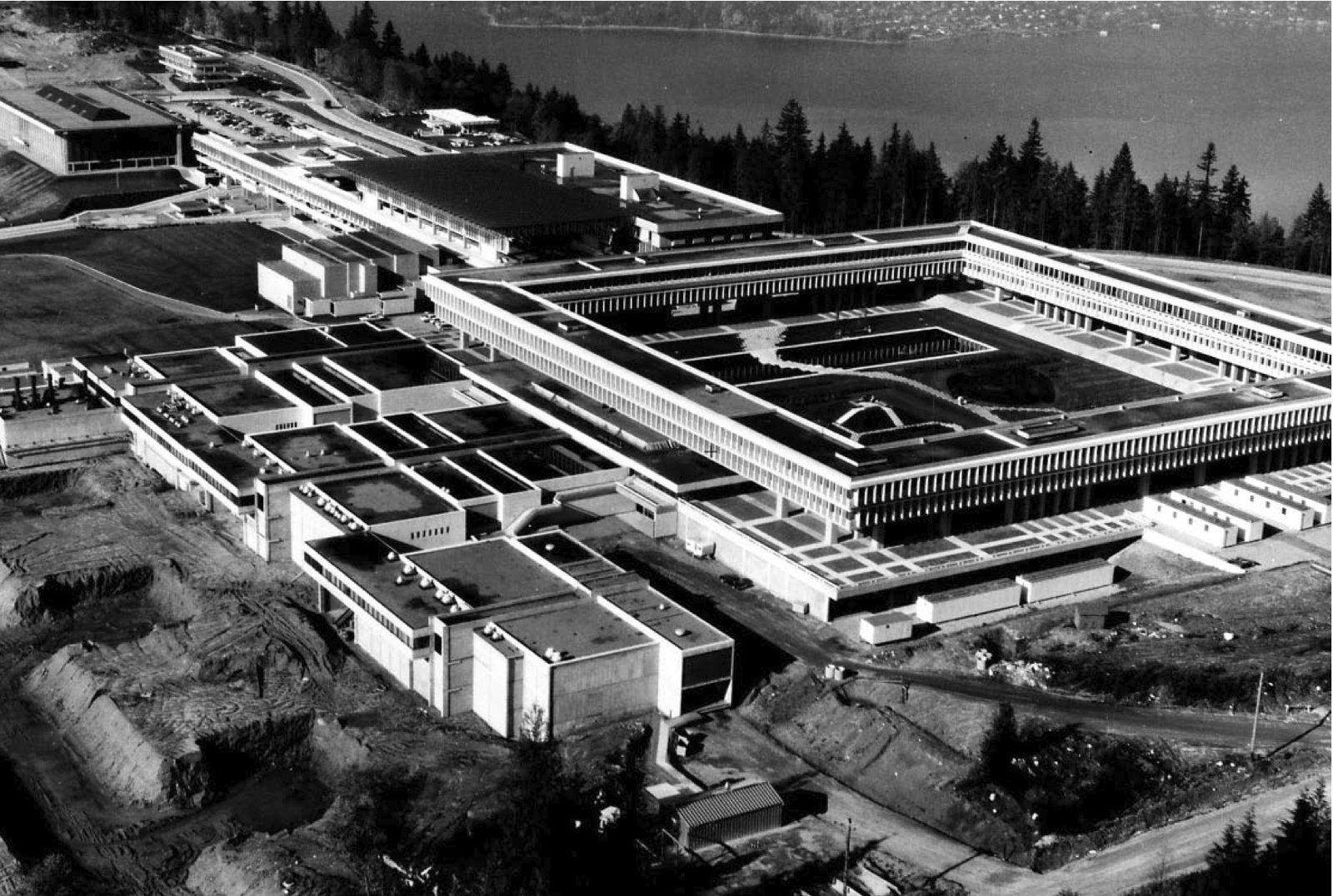
In the autumn of 1969 a whole department at Simon Fraser walked out on its own university. The strike lasted six weeks. The firings took two years, and the sources still disagree on how many there were.
Artom Butenko · 7 min read