What Edmonds Tastes Like
Afghan halal beside Serbian sausage beside Sudanese groceries beside Ethiopian injera. The most diverse neighbourhood in Metro Vancouver tells its story through food. Every storefront on this South Burnaby strip is somebody's first chapter in Canada.
Tommy's Market at 7375 Edmonds Street has been open since the 1960s. The produce is stacked tight, the flowers are by the door, and nobody has remodelled anything in a long time. It sits at the western end of a strip where, within four blocks, you can buy Serbian bread, Afghan lamb, Sudanese dried okra, Filipino canned goods, and a South Indian dosa made to order.
Step outside Tommy's and stand on the sidewalk for a minute. The air smells like grilled meat and diesel from the bus. Somebody's speaking Dari into a phone. A woman carries a bag of injera flour and a bag of laundry detergent in the same hand.
The Vancouver Sun once called Edmonds the most diverse neighbourhood in Metro Vancouver. Census data supports the claim. Forty-two per cent of residents speak a language other than English at home. The populations are Southeast Asian, South Asian, Caribbean, Sub-Saharan African, Eastern European.
A butcher, a baker, and a shawarma shop
Walk east from Tommy's. At 7339 Edmonds, A Kabul Shawarma Donair does Afghan-style wraps: the spit visible from the sidewalk, the garlic sauce homemade. You can smell the lamb fat rendering from half a block away. Thirty metres farther, Grand Food Market at 7351 offers shelves organized by a logic that assumes you already know what tamarind paste is. The labels switch between English, Tagalog, Mandarin.
Rustic Bread Bakery at 7487 does Serbian bread and pastries. The kind with phyllo. The kind that takes hours. The front counter has flour dust on it by 7 a.m. and still has flour dust on it at closing. Next door, or close to it, Mostafa Supermarket and Halal Meat at 7421 stocks organic halal meats alongside Afghan staples. Two stores, two Balkan-to-Central-Asian food traditions, separated by a parking lot.
Jovo the Butcher operates out of European Butcher Boy at 7502. Eastern European and Balkan meats: cevapi, sudzuk, smoked sausage. Jovo has regulars. They know the order without being asked. Balkan House at 7530, a few doors east, serves southeastern Mediterranean food. The proximity is no accident. People settle near other people who understand what they eat.
The Ethiopian block
Abyssinia Ethiopian Restaurant at 7546 Edmonds stays open until midnight. The vegetarian platter is large enough for two people who are hungry or one person who is serious. The lamb special comes on injera — spongy, sour, tearing in long strips. This is family-oriented food, meant for sharing and meant for sitting a long time.
Farther east, Dahlak Restaurant at 7868 does Ethiopian, Middle Eastern, and African cooking. Edmonds has enough of an Ethiopian and Eritrean population to sustain two full-service restaurants within walking distance of each other. That alone tells you something about the block.
Between them, Manjal South Indian Kitchen at 7613 serves dosas and South Indian specialties. Ezawa's African Market and Mona Shop African Multicultural Bazar share the address at 7655. Sudanese products, African groceries, items you cannot find anywhere else in the Lower Mainland without driving to Surrey or taking a bus to Commercial Drive.
Food as language class
In 2024, the United Way ran a program called "Hi Neighbour" out of Edmonds. Twenty microgrant cooking classes. Peruvian food, Kyrgyzstani food, Fijian food, Afghan food. The structure was simple: newcomer women cooked dishes from home while practising English. The cooking was the curriculum. The pot of plov did more work than the worksheet.
The program worked because food is the lowest-barrier form of cultural exchange. You don't need to explain your country's political history to hand someone a plate.
A Multicultural Arts Event at the Alan Emmott Centre brought Korean, Japanese, and Chinese musicians together in the same space. The programming recognized something that Edmonds Street already knew: people who live beside each other eventually find reasons to listen to each other.
What the research says
Dr. June Francis at SFU led a study in 2024 called "Building Belonging in Burnaby." Her team conducted 50 meetings and 100 focus groups. The findings were unsurprising to anyone who has ever been an immigrant: newcomers were twice as likely to be overqualified for their jobs. Barriers in employment, housing, healthcare, education. The usual list.
Burnaby's city council approved an Anti-Racism Framework in July 2024 with twenty-nine action items. Whether those items can address what 100 focus groups described is a question that will take years to answer.
What overqualified looks like at dinner
The woman making your injera at Abyssinia may have a degree in engineering. The butcher at Mostafa may have managed a supply chain in Kabul. Dr. Francis documented the pattern across Burnaby. Immigrants here are twice as likely to hold credentials that exceed the requirements of their current work.
The food is excellent. The economics behind it are complicated. A person with a commerce degree from Addis Ababa opens a restaurant in South Burnaby because the restaurant will hire them and the commerce sector will not. The menu is the autobiography, yes, but the autobiography has chapters that don't make it onto the chalkboard.
Edmonds keeps its own hours
The strip does not operate on a single clock. Some shops open early for the morning bread crowd. Abyssinia stays open until midnight. The grocery stores keep hours that reflect their customers: people who work shifts, who get off transit late, who shop when the kids are finally asleep.
Nobody planned this as a district. There is no "Edmonds Food District" banner, no walking-tour map from the tourism board. The strip organizes itself the way immigrant commercial corridors always have. One family opens a shop. A cousin opens another, and a countryman sees the foot traffic and signs a lease two doors down. The logic is word of mouth. The planning is none.
A city can spend years developing a framework for inclusion. It can commission studies. It can approve 29 action items. Edmonds Street did not wait for any of that. It built its own answer, one lease at a time, between a Serbian bakery and a Sudanese grocer, on a strip where the rent was still possible and the bus still came.
The food is the evidence. Order the dosa and buy the bread. The neighbourhood has been telling its story for decades. The story tastes like garlic sauce and injera and smoked cevapi and tamarind.
Editor & Publisher
Artom Butenko
Founder and editor of 8 Pages Burnaby. Writes the fact-dense, archival pieces — origins, infrastructure, and the documents that explain how the city works.
More from April 2026
Full issue →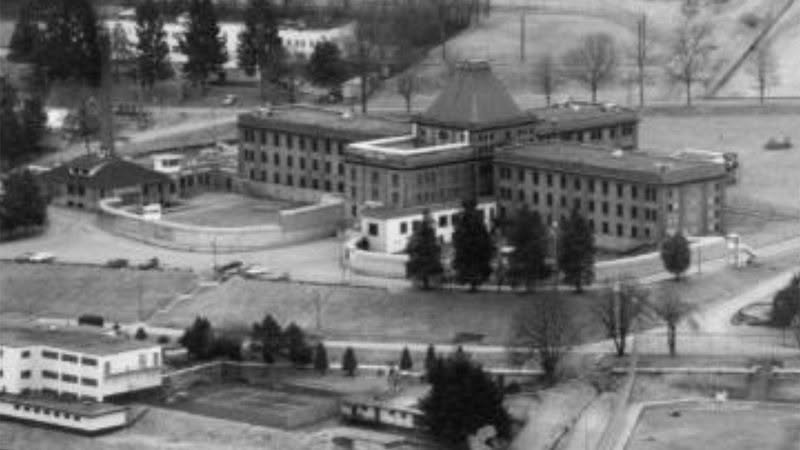
Oakalla: The Prison That Became a Neighbourhood
For eighty years, a 185-acre prison farm stood beside Deer Lake. Inmates grew vegetables, milked cows, and were hanged in an abandoned elevator shaft. A doctor gave them new faces. A punk bassist served time in the cells. When the last inmates left in 1991, the city tore everything down and sold townhomes on the land. The bricks from the cellblocks line the new walkways.
Artom Butenko · 8 min read
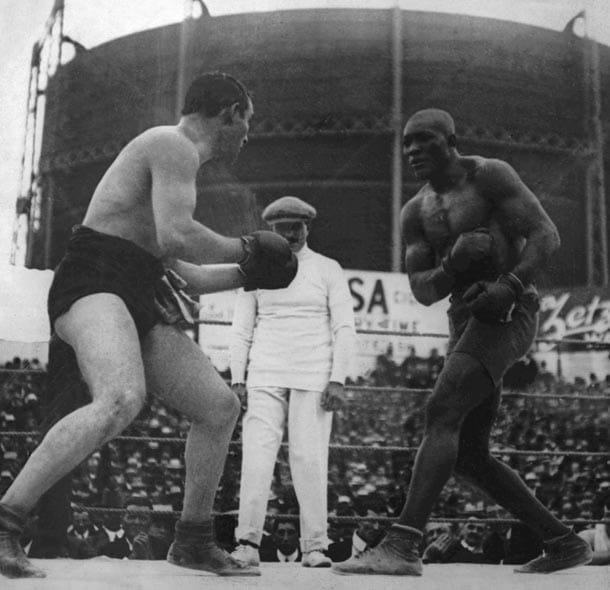
The Boxer, the Interpreter, and the Coloured Section
Ocean View Burial Park was established in 1918 as Burnaby's first non-sectarian cemetery, receiving its first interments the following year. In 1929, it created a section for "any person of colour." Buried there: the first Chinese-born Canadian, a court interpreter who fought for rights he was never granted in life. Nearby, in a pauper's grave: the only Canadian-born world heavyweight boxing champion, five-foot-seven and ordained.
Artom Butenko · 7 min read
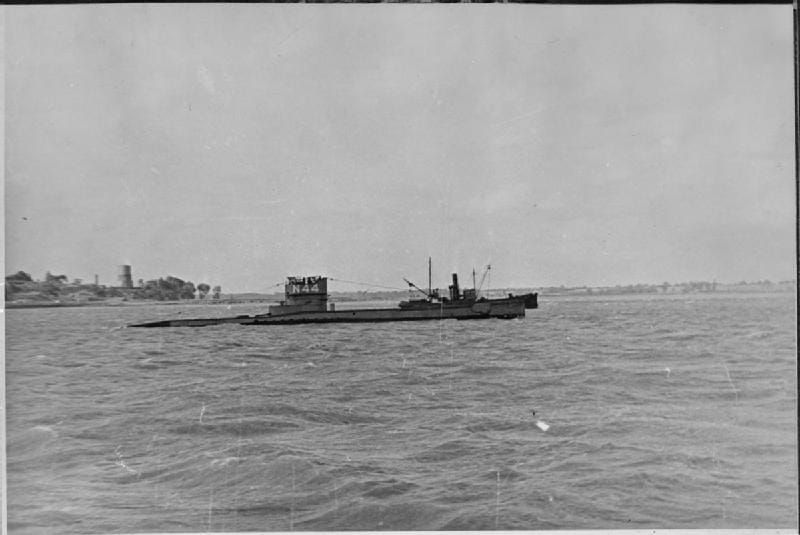
The Secret Submarines of Barnet Beach
During the First World War, 460 workers assembled submarine hulls for the Russian Imperial Navy on a Burnaby beach. The official story was barges. Guards patrolled behind barbed wire. Three hulls were finished before the Revolution ended the contract in 1917.
Artom Butenko · 5 min read