Archery, Steam Trains, and the Eighth Most Popular Disc Golf Course in the World
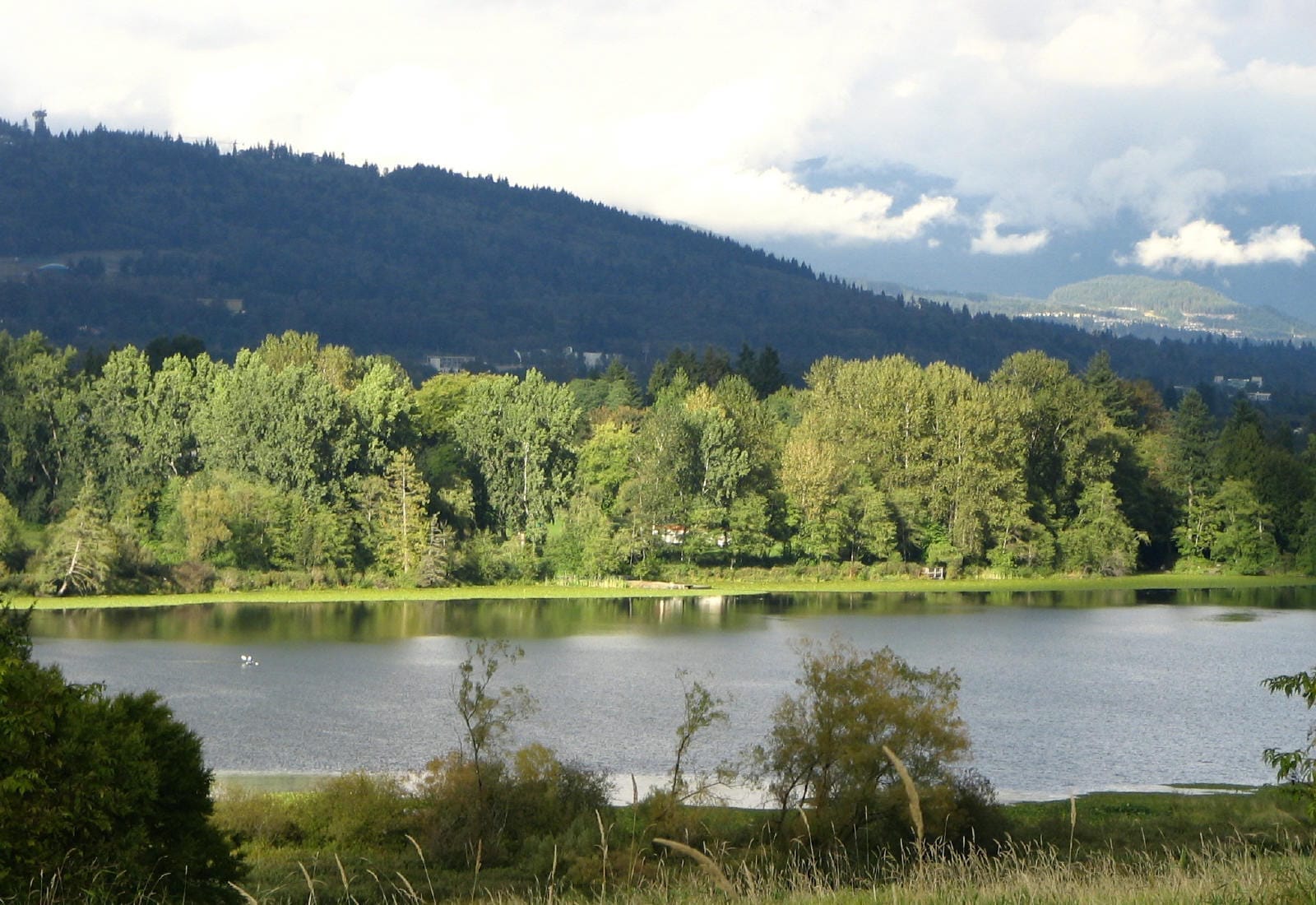
A guide to outdoor hobbies in Burnaby — a fifty-year-old horsemen's club on the lake, a boat rental running since 1972, an archery range in the reeds, a miniature railway built by engineers who've been meeting since 1929. Spring is here. The city is wider than you think.
On January 4, 2025, a disc golf course opened in Central Park. Within weeks, it ranked eighth in the world for rounds played, according to UDisc, the sport's dominant tracking app. Eighth. In the world. Between courses in Charlotte, North Carolina, and somewhere in Finland.
Matt Ewan, who supervises the pitch and putt at Central Park, had pitched the idea to the city in 2023. The course has nineteen holes. A round costs nine dollars. On spring weekends, the wait can stretch past an hour. Robert Burnaby Park has a twelve-hole course that costs nothing, if you prefer solitude over rankings.
Disc golf is new. Most of what keeps people outdoors in Burnaby is not.
Shirley Fisher started renting boats on Deer Lake in 1972
Canoes and kayaks. The same dock, the same lake, for over fifty years. Damien Liu took over the operation in 1999 and still runs it. A canoe costs roughly sixteen dollars an hour. A kayak, twenty. The lake is calm enough for children. On weekday mornings in May, the water is nearly empty — just the sound of a paddle and the occasional heron lifting off the far shore.
Deer Lake is also stocked with rainbow trout from March through May. A BC Freshwater Fishing Licence is required for anyone sixteen or older. The trout are hatchery fish, released by the province, and they do not survive the summer. Burnaby Lake holds largemouth bass year-round for those who prefer catch and release, or catch and eat. Barnet Marine Park has a saltwater pier for ocean fishing and a crabbing dock. The park also contains Burnaby's only saltwater beach. It looks like a shoreline on Burrard Inlet, which is what it is.
The Burnaby Canoe and Kayak Club operates on Burnaby Lake and claims the best flat-water training course in Canada. Two thousand metres, no current. Early mornings in April, the water is glass.
George Clulow counts the birds
The man most people in local birding circles call the "Burnaby Bird Guy" grew up in Essex, England, emigrated to Winnipeg in 1973, and eventually settled in Burnaby. He has served multiple terms on the boards of Bird Studies Canada. He co-authored a research paper on the local crow roost (British Columbia Birds, Volume 30, 2020), which is one of those sentences that only makes sense to people who find crows interesting. A large number of people in Burnaby find crows interesting.
Burnaby Lake supports 214 documented bird species. Piper Spit, a short boardwalk extending into the lake's marshland, is the spot most birders go first. Great blue herons, bald eagles, wood ducks, buffleheads, red-winged blackbirds. The spit is less than a five-minute walk from the parking lot. You do not need binoculars, though they help.
The engineers have been meeting since 1929
The BC Society of Model Engineers was founded ninety-seven years ago. Their first public ride day was July 1, 1975. The current miniature railway, located in Confederation Park, opened on July 1, 1993, on a site built from 8,500 loads of fill trucked in during the construction of the Cassiar Connector highway.
The track extends over two miles (3.2 kilometres). The locomotives are scaled-down steam and diesel replicas, built by members, some of whom have spent decades on a single engine. One man's life's work, the size of a large dog, pulling forty passengers around a bend through the trees. A ride costs $4.50. The railway carries over 100,000 riders per year, most of them under the age of ten, most of them unaware they are riding a machine assembled by retired engineers who have been arguing about gauge tolerances since before the Second World War.
On ride days the smell of steam oil hangs in the air and the little engines whistle at the crossings, and there is no good reason it should be moving, but it is.
The archery range sits in the reeds at Burnaby Lake
The Burnaby Archery Club is affiliated with the BC Archery Association and run by a seven-member volunteer board. The range is tucked along the lakeshore, surrounded by marsh grass. In the late afternoon, the light comes low across the water and the arrows make a sound like a quick breath leaving. Spring and summer sessions fill quickly. The club does not have a large public profile. People who shoot arrows in Burnaby know where it is. People who do not, generally walk right past it.
On the east side of Burnaby Lake, the Burnaby Horsemen's Association has occupied the same parcel of land since 1971. The club was founded in 1968 and registered as a non-profit in 1967, which means the paperwork predated the actual organization by a year. At founding, there were 160 members and over 120 horses. In 2025, the club may lose access to its riding trail. The land is owned by the city, and cities change their minds.
Burnaby Mountain has thirty-four trails across 578 hectares
The mountain is not large by BC standards. It is large enough. Twenty-eight kilometres of trail wind through second-growth forest, up to Simon Fraser University at the top and down through ravines on every side. Mountain bikers share the trails with hikers and, occasionally, black bears.
For flatter ground, the Burnaby Lake Loop covers ten kilometres at lake level. Byrne Creek Ravine is 3.1 kilometres and has fairy doors. Actual miniature doors, installed on tree trunks, painted and maintained by someone who has never been publicly identified. Central Park's perimeter trail, 3.5 kilometres of rubberized surface, opened in 2024 and is the smoothest running surface in the city. Central Burnaby parkrun uses the park every Saturday at 9 a.m. Free. No registration. Show up and run.
The Burnaby Photographic Society, which has operated for over fifty years, recommends Kamui Mintara at sunset for the best light, Piper Spit for wildlife, SFU's brutalist campus for geometry, and Barnet Marine Park for the water. Photography is an indoor hobby pretending to be an outdoor one, but in Burnaby, the pretence holds up most of the year.
The skate park is open twenty-four hours a day
Nick Volkow Skate Park at Bonsor has three zones, including a full pipe. Confederation Park Plaza offers a second option. Neither park charges admission, and neither one closes. A concrete skate facility, open at 3 a.m., free of charge, unstaffed. The city trusts you with it.
BARAGA, the community garden association, manages 373 plots across the city. The approximate waitlist is five years. Five years to grow tomatoes. Eleven off-leash dog parks operate across Burnaby. David Gray Park separates small dogs from large ones, a policy that prevents most of the conflict and all of the comedy.
Spring starts in Burnaby when someone books a canoe
Damien Liu opens the boat rental when the weather turns. The disc golfers have already been playing through February. The model engineers test their locomotives in garages through the winter, waiting for ride season. George Clulow watches the migratory species come back.
A miniature railway built on highway fill. An archery range in the marshland. Horses on a trail the city may take away. A disc golf course that, for a few weeks in 2025, was more popular than almost anywhere on Earth.
The fairy doors in Byrne Creek Ravine do not open. But someone keeps painting them.
Editor & Publisher
Artom Butenko
Founder and editor of 8 Pages Burnaby. Writes the fact-dense, archival pieces — origins, infrastructure, and the documents that explain how the city works.
More from April 2026
Full issue →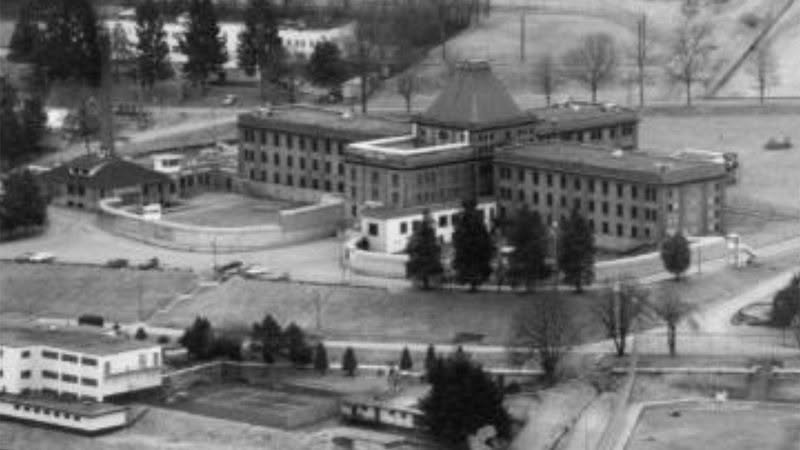
Oakalla: The Prison That Became a Neighbourhood
For eighty years, a 185-acre prison farm stood beside Deer Lake. Inmates grew vegetables, milked cows, and were hanged in an abandoned elevator shaft. A doctor gave them new faces. A punk bassist served time in the cells. When the last inmates left in 1991, the city tore everything down and sold townhomes on the land. The bricks from the cellblocks line the new walkways.
Artom Butenko · 8 min read
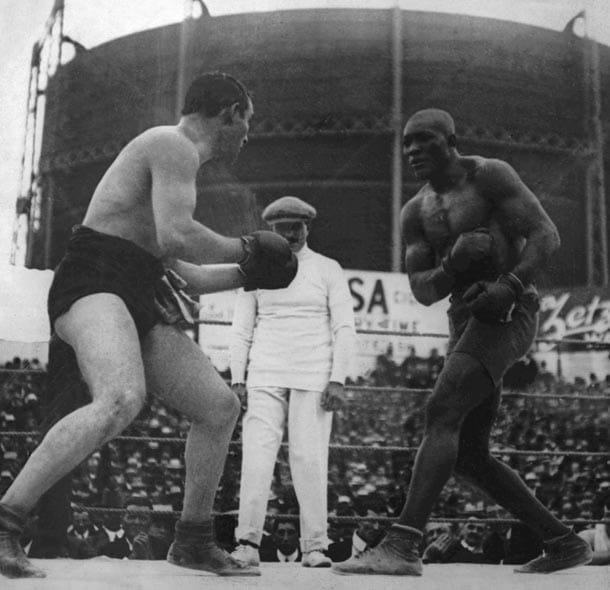
The Boxer, the Interpreter, and the Coloured Section
Ocean View Burial Park was established in 1918 as Burnaby's first non-sectarian cemetery, receiving its first interments the following year. In 1929, it created a section for "any person of colour." Buried there: the first Chinese-born Canadian, a court interpreter who fought for rights he was never granted in life. Nearby, in a pauper's grave: the only Canadian-born world heavyweight boxing champion, five-foot-seven and ordained.
Artom Butenko · 7 min read
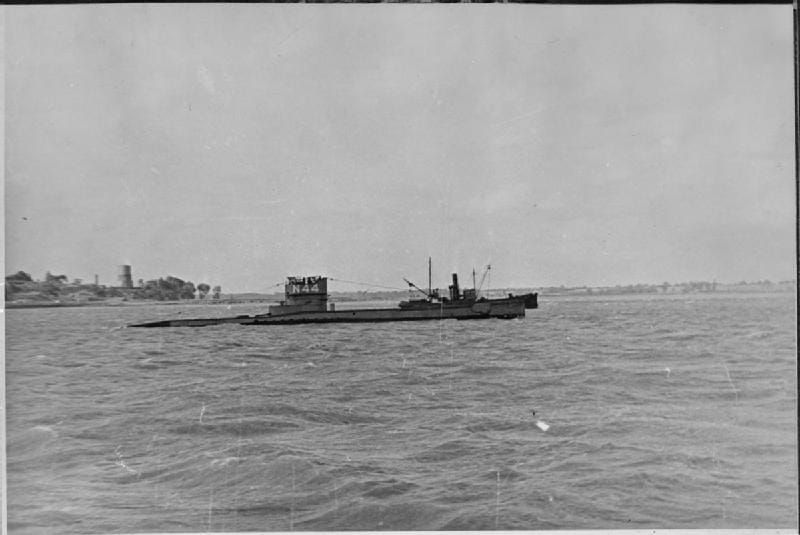
The Secret Submarines of Barnet Beach
During the First World War, 460 workers assembled submarine hulls for the Russian Imperial Navy on a Burnaby beach. The official story was barges. Guards patrolled behind barbed wire. Three hulls were finished before the Revolution ended the contract in 1917.
Artom Butenko · 5 min read