Willingdon Heights: Canada's Largest Veteran Housing Project
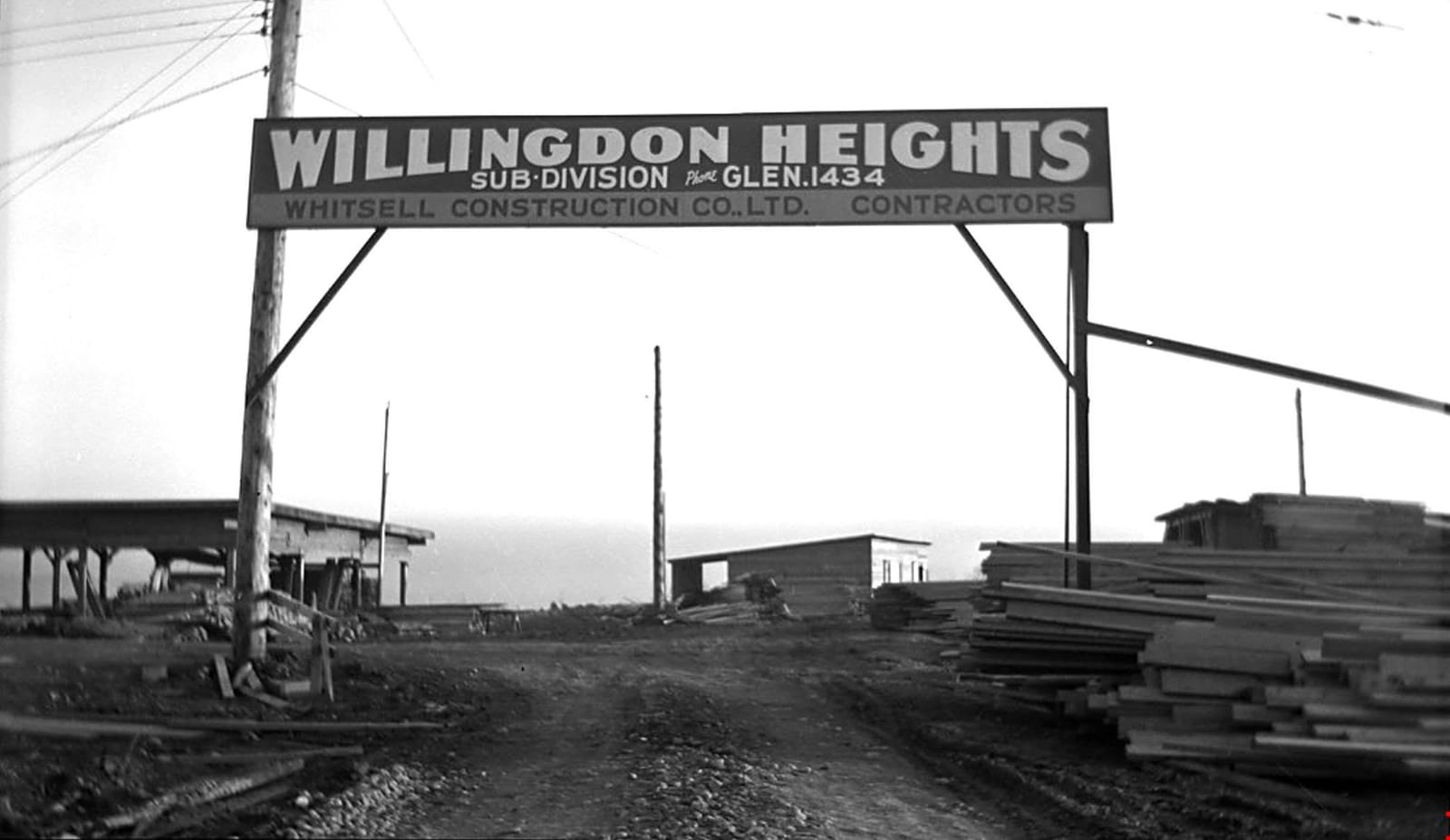
In 1946, five hundred houses went up in North Burnaby in eighteen months. Ninety per cent of the first residents were veterans who had come home from the war and needed somewhere to live. The brochure called it "the largest single veteran housing project in Canada." Now the province says the lots are too big for one family.
Five hundred and fifty houses
The Whitsell Construction Company built 550 homes in North Burnaby between Gilmore and Willingdon Avenues, Parker and Gravely Streets. The funding came through the Central Mortgage and Housing Corporation under the National Housing Act of 1944, as part of the Integrated Housing Plan. Ninety per cent of the first buyers were veterans. The marketing material — and it was marketing, even in 1946 — called Willingdon Heights "the largest single veteran housing project in Canada as far as homes for individual ownership is concerned."
That last qualifier matters. Across the country, the federal Wartime Housing Limited program had built roughly 26,000 rental units for veterans at $22 to $30 per month. Willingdon Heights was different. These houses were sold, not rented. Thirty-year mortgages at five per cent interest. The veterans owned them.
What $3,750 bought
CMHC published a catalogue called 67 Homes for Canadians in 1947. You could order blueprints for ten dollars. The houses that went up in Willingdon Heights came from variations on those plans: 700 to 900 square feet, clapboard wooden siding, steep pitched roofs. Inside, an eat-in kitchen, a living room, one bathroom, two bedrooms. The attic was left unfinished but framed so owners could expand upward later. Prefabricated components kept construction fast.
The houses cost approximately $3,750. A veteran with a steady job and a CMHC mortgage could manage that. The monthly payments were low enough to leave room for groceries, streetcar fare, and the occasional bottle of rye.
Walk down one of those blocks today and you can still pick out the originals. They sit low to the ground, narrower than anything built after 1980, with roof pitches that look steep enough to shed snow that Burnaby rarely gets. Some have been painted. Some have had the clapboard wrapped in vinyl. A few look almost exactly the way they did in Don Copan's photographs, which is either preservation or neglect, depending on the realtor.
Eighteen months. 550 houses. The neighbourhood appeared on the map the way things did in postwar Canada — fast and functional, without much argument about architectural style.
Don Copan's photographs
Donald "Don" A. Copan was born in Victoria in 1928 and moved to Highlawn Drive in Willingdon Heights in 1954. He had married Barbara Thomson two years earlier. They raised two sons, Angus and Todd.
Copan taught at Westridge Elementary and later became principal at Twelfth Avenue Elementary. He served on the 1958 and 1971 Centennial Committees. He was the founding president of the Century Park Museum Association, the organization that became the Burnaby Village Museum.
When Copan died in 2020, Heritage Burnaby received his fonds: 727 photographs. The images show a neighbourhood in its working years — clotheslines, kids on bikes, station wagons in driveways that were originally designed for no car or one car. Copan documented Willingdon Heights the way a teacher documents a classroom. Patiently. Over decades. Without announcing what it would be worth later.
A church built by passing a hat
Willingdon Heights United Church was founded in 1948, two years after the houses went up. The congregation first met in an empty storefront, which is how churches start when the neighbourhood is newer than the faith.
Building the church cost between $48,000 and $50,000. The community raised $5,000. Canadian Memorial contributed $25,000 in September 1951. The rest came in smaller amounts, from people whose mortgages were not yet old enough to vote. Architects Twizell & Twizell drew the plans. The church opened on May 18, 1952. Six years from empty lot to finished pews. The veterans had somewhere to live. Now they had somewhere to sit on Sundays.
The arithmetic of 2026
An average home in Willingdon Heights now lists for around $2.2 million. The same house that sold for $3,750 in 1946. Adjust for inflation and that original price is roughly $62,000 in current dollars. The gap between $62,000 and $2.2 million is not inflation. It is land value, proximity to the Gilmore SkyTrain station, and eighty years of a city growing around a neighbourhood that was built at its edge.
The demographics shifted too. About half the current population are immigrants — from China, Hong Kong, Italy, South Korea. The original clapboard houses are being demolished one at a time, replaced by larger homes on the same lots. Each demolition removes a piece of the 1946 plan. Each new build adds square footage and assessed value and a double garage.
The province has opinions
In 2023, the BC government passed Bill 44, which allows multiplexes to replace single-family homes. Bill 47 requires transit-oriented development — buildings of eight to twenty storeys near rapid transit stations. The Gilmore SkyTrain station sits adjacent to Willingdon Heights.
Some residents have pointed to 1950s-era covenants that restrict lot use. The Save Brentwood Park group, from the neighbouring area, has invoked these documents. Housing Minister Ravi Kahlon responded with a question: "Does it make sense in the housing crisis today to still have those covenants?"
The covenants were written when the houses cost $3,750 and the buyers were men who had recently been shot at in Europe. The covenants assumed a neighbourhood that would stay the way it was. Neighbourhoods do not do that.
Kwasen Village
At 3405 Willingdon Avenue, adjacent to the old veteran housing, a new development is rising. Kwasen Village — "Star" in Halkomelem. It is a partnership between Musqueam Indian Band, Tsleil-Waututh Nation, and Aquilini Development. Twenty-two buildings, some up to twenty-five storeys. 5,239 units. Studios starting at $399,900.
It is Burnaby's largest Indigenous-led development. The land that veterans built 700-square-foot bungalows on in 1946 will soon sit in the shadow of twenty-five-storey towers developed by First Nations whose territory this has been for thousands of years before the veterans, before the municipality, before the word Burnaby referred to anything other than a dead land surveyor.
What the brochure didn't say
The 1946 brochure promised the largest veteran housing project in Canada. It delivered. 550 families moved in. They planted lawns and joined churches and sent children to schools that Don Copan would one day teach at. The houses were small and the mortgages were cheap and the covenants said the neighbourhood would stay this way.
Eighty years later, the houses are worth 587 times what they sold for. The covenants are being challenged by a provincial government that needs density. The lots are being rezoned. The neighbourhood built for veterans returning from one crisis is being reshaped by another.
The brochure said nothing about what happens after the largest. It rarely does.
Editor & Publisher
Artom Butenko
Founder and editor of 8 Pages Burnaby. Writes the fact-dense, archival pieces — origins, infrastructure, and the documents that explain how the city works.
More from May 2026
Full issue →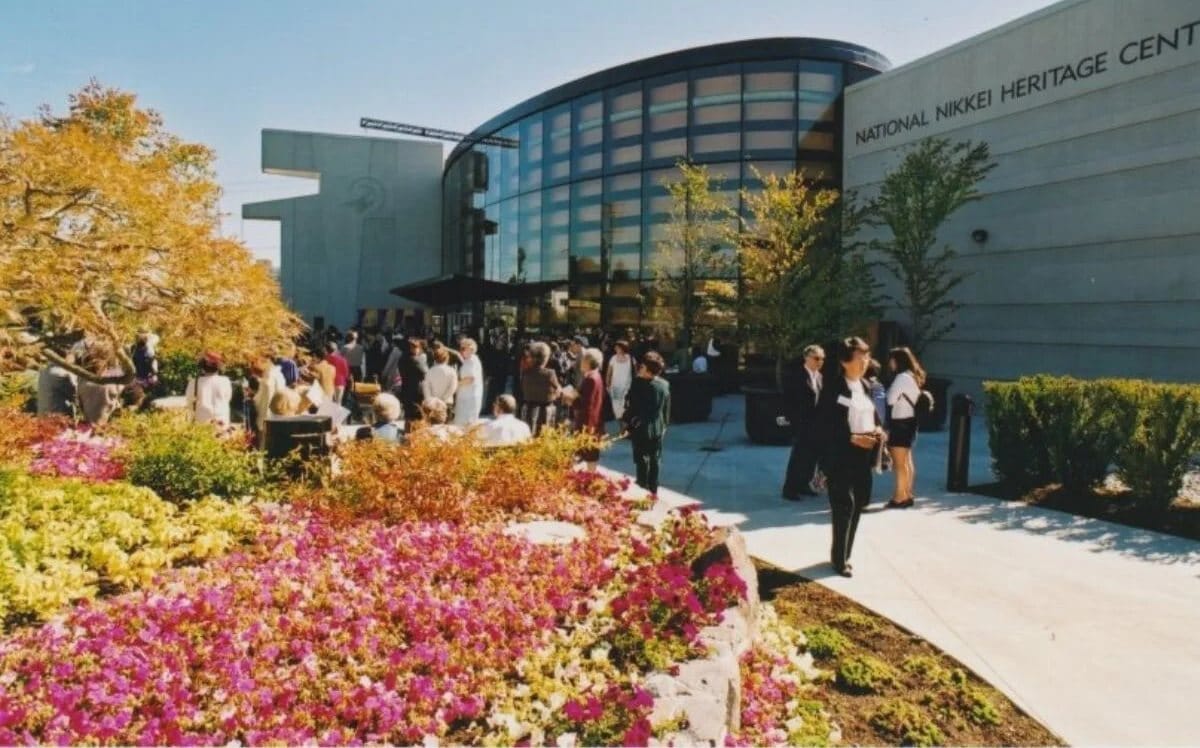
Nikkei Place: The Garden Built for Healing
The architect who designed the building was interned as a child. The land was purchased with redress money. The opening date was chosen to mark the anniversary of an apology. Inside are 670 recorded voices and 52,500 photographs from a community that lost everything and built this anyway.
Artom Butenko · 9 min read
The Octagon on Canada Way: Inside Burnaby's Ismaili Centre
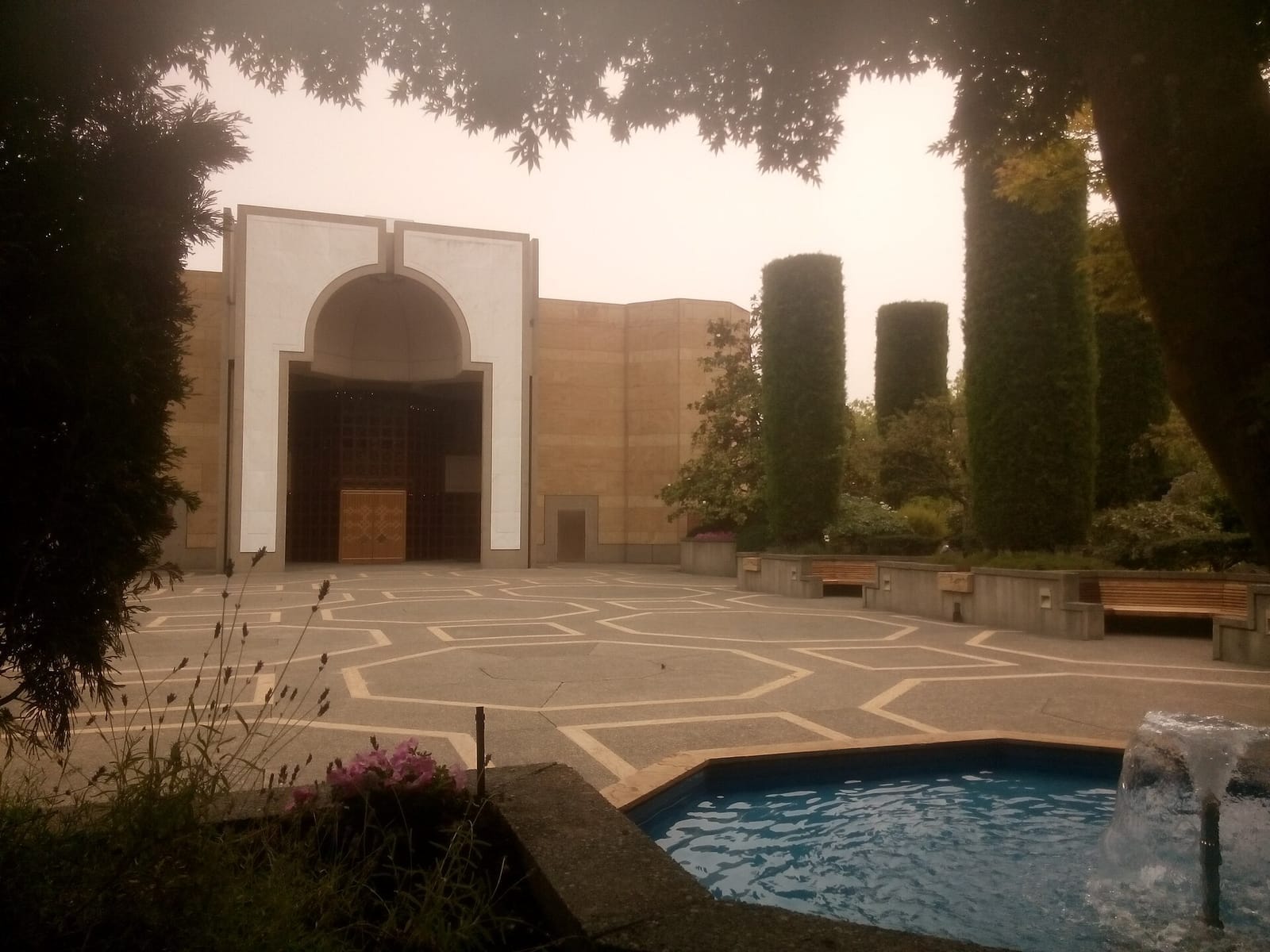
In 1985, the Aga Khan and the Prime Minister opened a building shaped like a prayer. Bruno Freschi designed it around a single geometric form — the octagon, "where the centre is everywhere, and everyone is in the centre." Thirteen years earlier, President Idi Amin had expelled the community that would fill it.
Artom Butenko · 6 min read

Ian James Corlett: The Man Who Made a Cartoon About His Street
He voiced Goku, left over a pay dispute, and went home to Burnaby to create a cartoon about growing up on Royal Oak Avenue. The piano store became a keyboard shop. The house became a drawing. The city became sixty-five episodes of a show that YTV aired for three years and then forgot.
Artom Butenko · 5 min read