Ten Thousand Crows
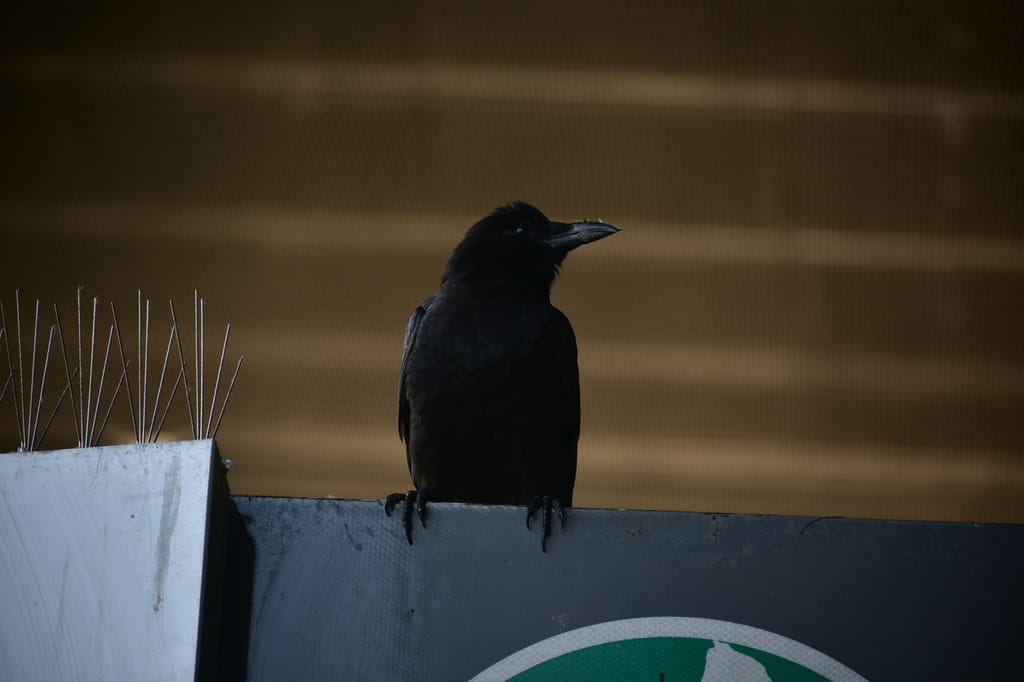
Every winter evening, up to fifteen thousand crows from across Greater Vancouver converge on a roost beside a Burnaby highway interchange. They have been doing this since the 1970s. Nobody fully understands why.
Around 4:15 on a January afternoon, the first ones appear over Metrotown. A loose line of black shapes heading east, maybe thirty birds, flying in the same direction. Ten minutes later there are hundreds. They come from Kitsilano, from Richmond, from North Vancouver — some flying fifteen or twenty kilometres — all moving toward the same patch of industrial land beside the Trans-Canada Highway in Burnaby. By the time the sun sets over Still Creek, somewhere between ten and fifteen thousand crows are packed into the trees along Willingdon Avenue.
They scream. They jostle. They coat the branches so thickly that bare winter trees look like they've grown black leaves. And then, eventually, they sleep.
Stand beneath the roost at dusk and the sound is physical. Thousands of voices layered on top of each other — caws, rattles, a low churning roar that swallows the highway noise underneath it. The air smells like guano and wet bark. Black shapes shuttle between branches in the last light, and every few seconds a whole section of tree erupts and resettles, like a shudder passing through a crowd.
This has been happening since at least the early 1970s.
The flight has a schedule
Crows begin gathering at secondary staging areas across Metro Vancouver thirty to sixty minutes before sunset. Parking lots. Rooftops. Park edges. These pre-roost assemblies function like bus stations — birds collect in groups of dozens or hundreds, then depart together toward Still Creek.
The flight paths form visible rivers of birds across the sky. Anyone who has driven east on Kingsway at dusk in December has seen them, even if they didn't realize what they were watching. A steady black current, overhead, all heading the same direction.
George Clulow has been watching this for years. Clulow — originally from Essex, England, moved to Winnipeg in 1973, now Burnaby — is known locally as "the Burnaby Bird Guy." He has served multiple terms on Bird Studies Canada boards and leads bird walks for the City of Burnaby. In 2020, he co-authored a paper with Dr. Rob Butler in British Columbia Birds, Volume 30, documenting the history and behaviour of the Still Creek roost.
Butler spent forty years with the Canadian Wildlife Service. He raised a crow named Jake at fifteen. He has studied crow behaviour across the Lower Mainland for decades.
Nobody is certain why the crows chose Still Creek
Several hypotheses exist. The urban heat island effect keeps the area a few degrees warmer than surrounding neighbourhoods. The bright lights of the highway interchange and nearby commercial properties may deter predators — owls and hawks prefer to hunt in darkness. The flat, open terrain gives the birds clear sightlines in every direction. Food sources from the commercial and industrial waste in the area don't hurt.
But these explanations feel partial. Other places in Greater Vancouver share the same conditions. The crows chose this one.
The strongest explanation may be the simplest: once established, a roost becomes traditional. Young crows learn the route from older birds. The knowledge passes through generations. A crow that roosted at Still Creek in 1975 taught its offspring the route in 1978, and those offspring taught theirs in 1982, and so on for fifty years. The roost persists because the roost has always persisted. Habit, at a species level, carried on the wing.
The birds changed their name in 2020
The crows that roost at Still Creek were originally classified as Northwestern Crows — Corvus caurinus — a species endemic to the Pacific coast. In 2020, the American Ornithological Society reclassified them as a subspecies of the American Crow, Corvus brachyrhynchos. The distinction between the two had always been contested. They looked nearly identical. They interbred freely. The main difference was range.
So the taxonomists erased the line. The crows did not notice.
Fifteen thousand birds produce consequences
The droppings are considerable. Cars, sidewalks, rooftops, dumpsters near the roost are coated nightly from October through March. Business owners and property managers in the Still Creek area deal with constant cleanup. The city has attempted deterrence measures over the years. None have worked with any lasting effect. The crows return.
During spring and summer, the mass roost dissolves. Crows disperse to nesting territories across the Lower Mainland, raising young in pairs. The gathering runs from October through March, driven by shorter days and the survival logic of sleeping in numbers. A lone crow on a branch is an owl's meal. A crow surrounded by fourteen thousand others is statistically safe.
Burnaby's roost is large, but it is not the largest
Danville, Illinois, has documented roosts of over 100,000 crows. Lawrence, Massachusetts, hosts between 10,000 and 20,000. Portland, Oregon, has large winter aggregations. The Still Creek roost is among the largest in western Canada, but the behaviour is continental. Crows across North America do this. They gather. They commute. They choose a place and keep choosing it.
A CBC documentary crew filmed the Still Creek commute — the rivers of birds over the city. The footage looks like a nature documentary about the Serengeti. It was filmed above a highway interchange next to a Canadian Tire.
Crows remember people who have threatened them
They communicate that information to other crows. A researcher who trapped and banded crows near a university campus was mobbed by birds that had never personally encountered her — they had been warned by birds that had. Grudges, it turns out, are social.
In Coast Salish and Lushootseed languages, the crow is called something approximating "K'a?k'a?" — a trickster figure, a messenger, a being of intelligence in the stories of the Pacific Northwest. [Ed. note: verify orthography — likely glottal stops; confirm correct Unicode characters with a Lushootseed or hən̓q̓əmin̓əm̓ language source.] The stories were there long before the ornithologists arrived.
The Still Creek roost is, at its core, a commute. Thousands of animals leaving their daytime ranges across the metro area and flying to the same neighbourhood every evening, following the same routes their parents followed, tolerating the same crowded conditions, making the same amount of noise. Rush hour, with feathers.
Every evening from October to March, the sky over Burnaby fills with black shapes heading east. George Clulow watches them. Rob Butler has spent a career studying them. The crows have been doing this longer than most of the buildings beneath them have existed. They will almost certainly continue after the buildings are gone.
Why Still Creek? The crows know. They haven't said.
Editor & Publisher
Artom Butenko
Founder and editor of 8 Pages Burnaby. Writes the fact-dense, archival pieces — origins, infrastructure, and the documents that explain how the city works.
More from April 2026
Full issue →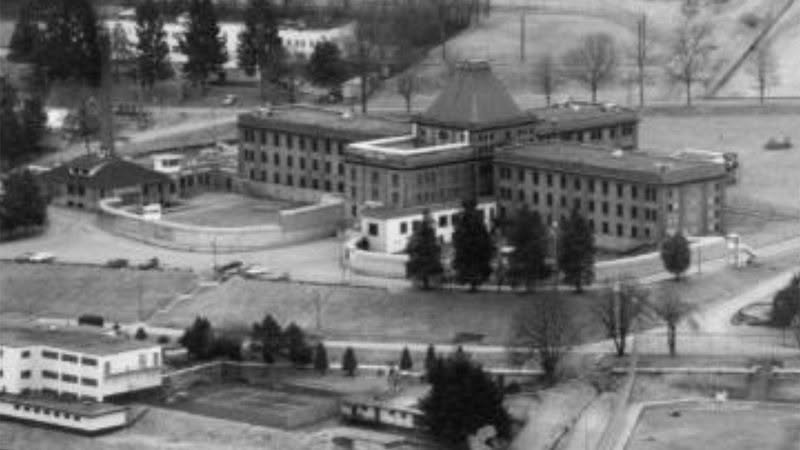
Oakalla: The Prison That Became a Neighbourhood
For eighty years, a 185-acre prison farm stood beside Deer Lake. Inmates grew vegetables, milked cows, and were hanged in an abandoned elevator shaft. A doctor gave them new faces. A punk bassist served time in the cells. When the last inmates left in 1991, the city tore everything down and sold townhomes on the land. The bricks from the cellblocks line the new walkways.
Artom Butenko · 8 min read
The Boxer, the Interpreter, and the Coloured Section
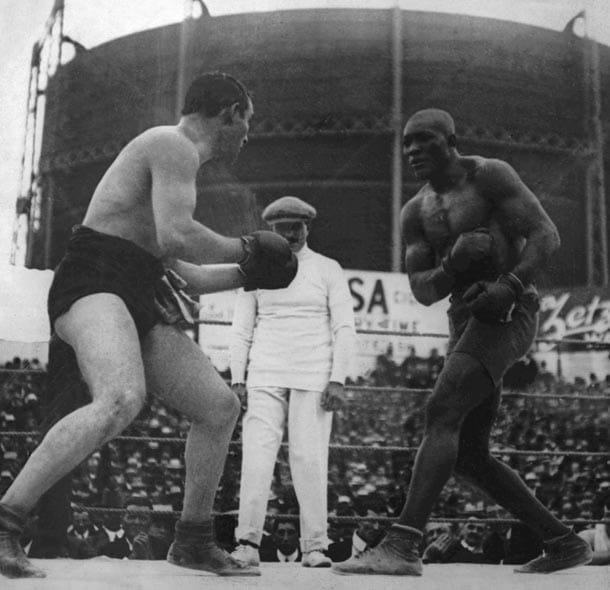
Ocean View Burial Park was established in 1918 as Burnaby's first non-sectarian cemetery, receiving its first interments the following year. In 1929, it created a section for "any person of colour." Buried there: the first Chinese-born Canadian, a court interpreter who fought for rights he was never granted in life. Nearby, in a pauper's grave: the only Canadian-born world heavyweight boxing champion, five-foot-seven and ordained.
Artom Butenko · 7 min read
The Secret Submarines of Barnet Beach
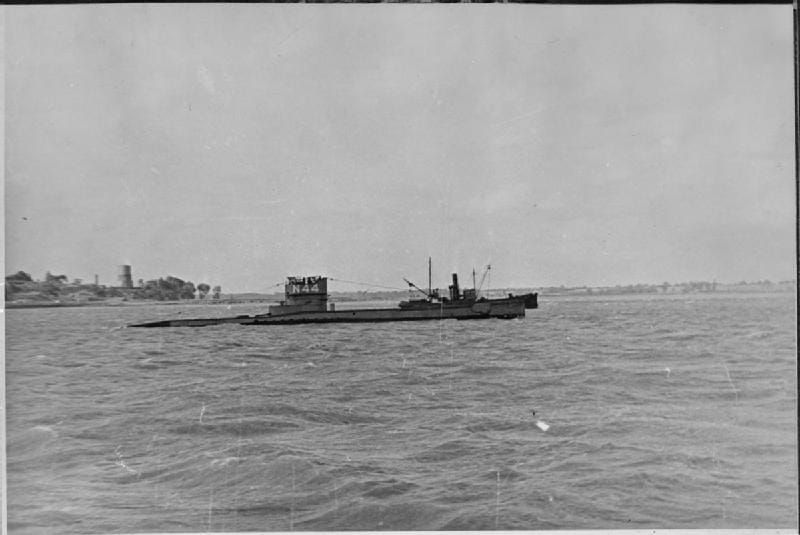
During the First World War, 460 workers assembled submarine hulls for the Russian Imperial Navy on a Burnaby beach. The official story was barges. Guards patrolled behind barbed wire. Three hulls were finished before the Revolution ended the contract in 1917.
Artom Butenko · 5 min read