The Butterfly Painter of Capitol Hill: a story of Jack Shadbolt
The hospital bed sat in the middle of the studio, under the skylights. It was nearly midnight on November 22, 1998, and Jack Shadbolt was dying where he'd spent most of his waking hours for nearly half a century, surrounded by paint and canvas and the particular quality of light that filtered through the glass ceiling of his Burnaby home.
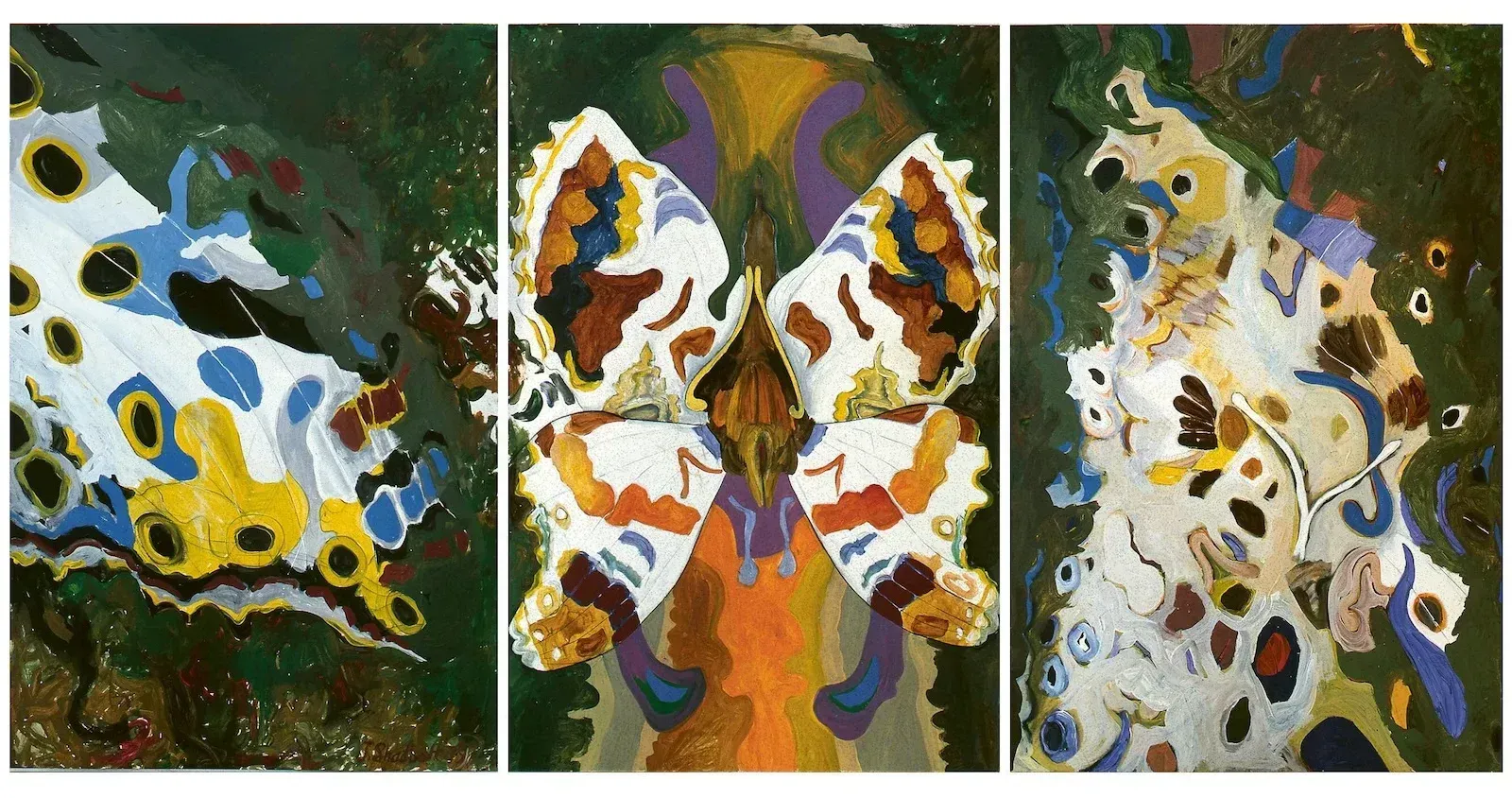
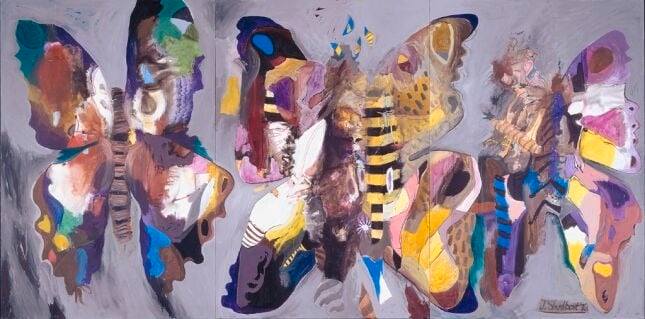
His wife Doris had arranged it that way. She'd also mounted one of his recent works on the wall nearby: Blue Breaking, a triptych of shadowy forms that seemed to flutter across three panels. As Jack's breathing slowed, Doris leaned in close.
"They look like butterflies' footprints," she whispered. The 89-year-old painter smiled.
Later, when people asked how she could bear those final hours, Doris said something that captured the essence of their 53-year marriage:* "What could be better than dying in the place you spent your life working in?"* That place was a house on Capitol Hill that most Burnaby residents have never seen, though many know the Shadbolt name from the arts centre at Deer Lake Park. But the story of how a war artist who sorted concentration camp photographs became Canada's most celebrated butterfly painter and spent 48 years doing it from a mountainside studio in our city is one worth telling.
A sunny slope for good
In 1950, Jack and Doris Shadbolt were looking for land. They'd married five years earlier, shortly after Jack returned from Europe where he'd served as a war artist. Doris had given up a prestigious fellowship at Columbia University for the marriage. They had no children, no particular wealth, but they had each other and a shared conviction that making art mattered more than almost anything else.
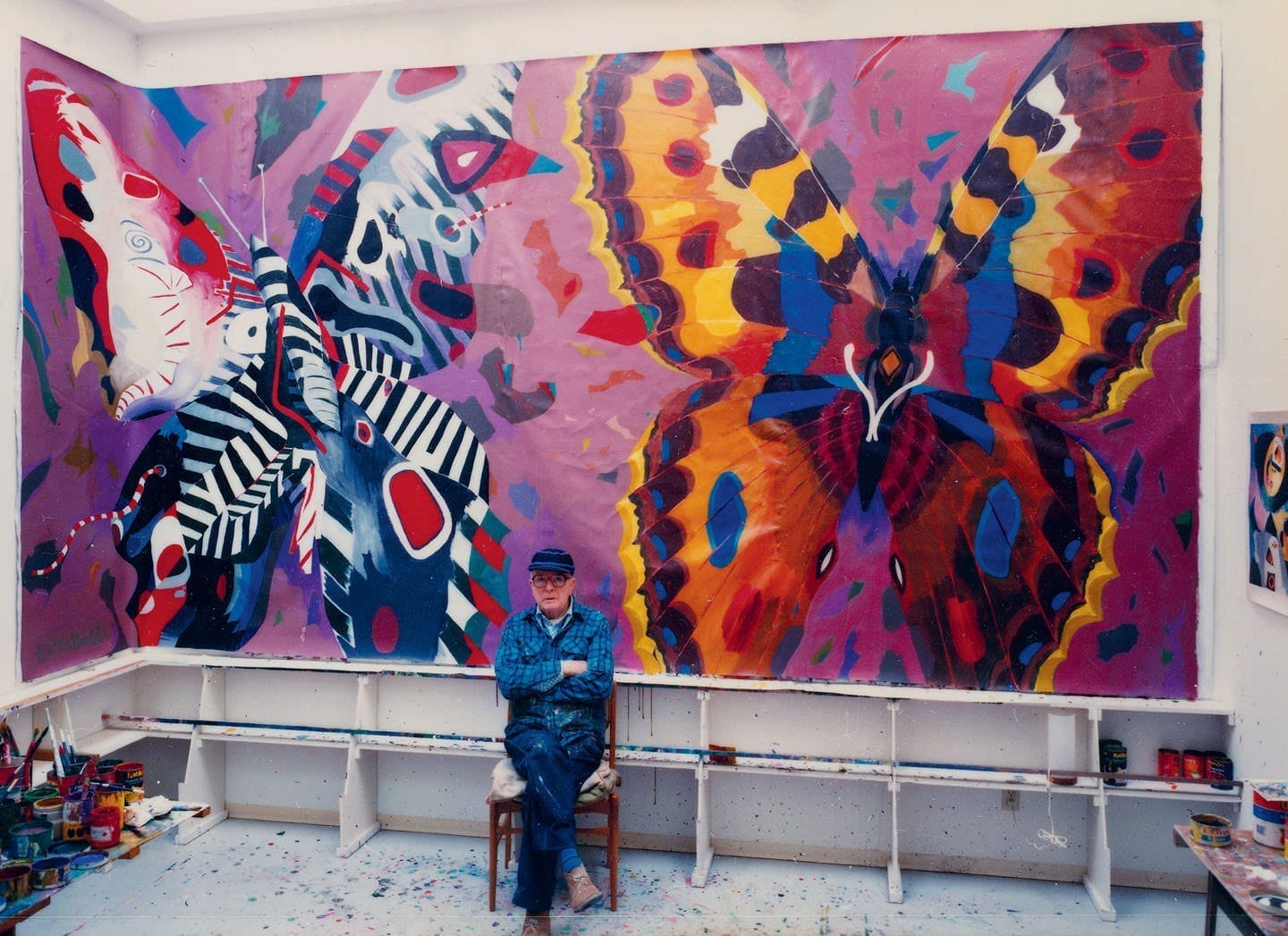
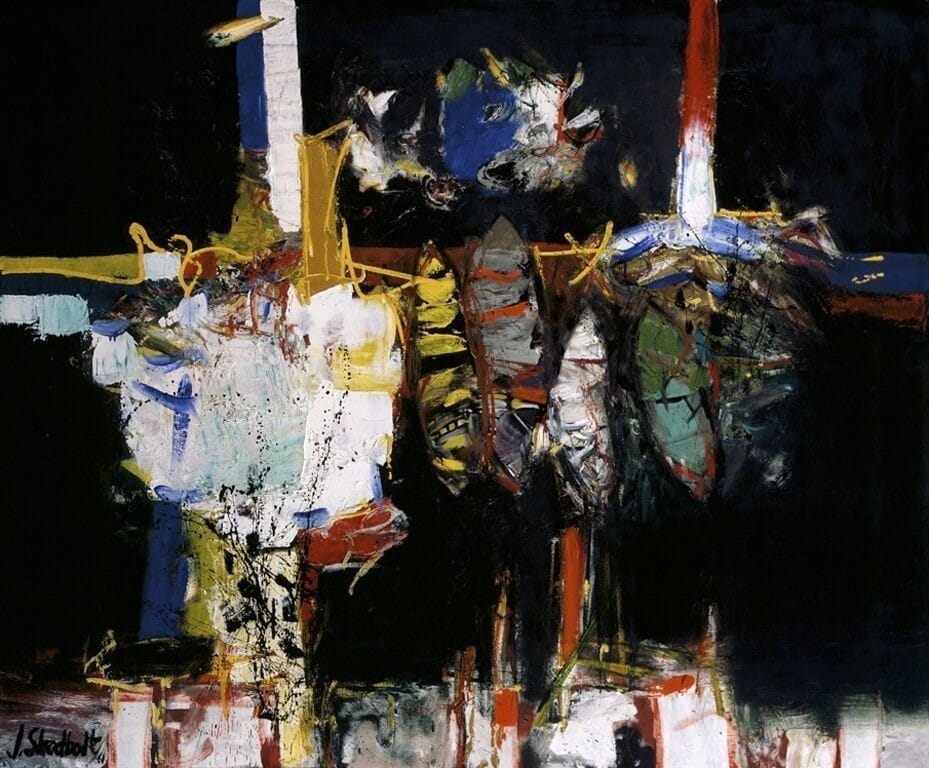
When they found an empty lot on Harbour View, an extension of Glynde Avenue on the sunny slope of Capitol Hill, Jack wrote in his journal that they both knew immediately: this was forever. The house they built became something of a legend in Canadian art circles, though you wouldn't know it from the outside. The real spectacle was the studio: an enormous room with skylights that flooded the space with natural light, walls perpetually lined with canvases at various stages of completion, the floor spattered with decades of paint drips that formed their own abstract compositions.
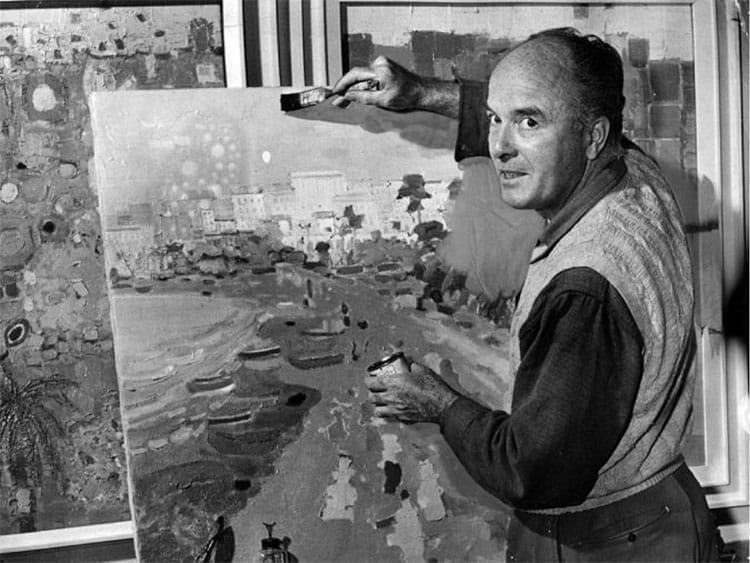
Friends who visited describe Jack working in suspenders and a buttoned shirt, looking more like a farmer than a famous painter. He called himself an artist from the "snort and grunt school", someone who attacked the canvas with physical intensity, who painted in what he called "campaigns" that could last for days.
Susan Mertens, an art critic who knew Jack for 25 years, watched these painting bouts with fascination. "He would go for days, hours, and he'd just fly," she recalled.* "He loved pushing himself to extremes."* But the extremes cut both ways. Between campaigns came what Jack called his "black periods", times when he couldn't paint, when the brush felt foreign in his hand and the blank canvas mocked him.
"When I can't paint," he once said, "I don't want to live."
The war that changed everything
To understand Jack Shadbolt's art, you have to understand what happened to him in London in February 1945.
He was 35 years old, stationed with the Canadian Army, when he received an unusual assignment: sort and catalogue photographs from the newly liberated concentration camps at Belsen and Buchenwald. Day after day, he sat in a military office looking at images of skeletal bodies, of death industrialized, of humanity's capacity for organized horror.
His evenings he spent walking through bombed-out London streets, watching how destruction rearranged the familiar world into something strange and terrible and, somehow, revealing. Years later, in an interview with curator Ian Thom, Jack tried to explain what those months taught him about abstraction:"When the bomb blows the building apart it abstracts it, the pieces fall back together again and you get a memory image of what was there but vastly altered and psychologically made infinitely more intense than the original thing."
When he came home and started painting again, something fundamental had shifted. He painted gardens, but not the kind anyone expected. His friend Abraham Rogatnick noticed it right away:"They weren't like Monet's. They were all the weeds and rocks and funny bugs."
Festival of the Worm II showed cross-sections of soil seething with life most people never see. Dog Among the Ruins depicted a howling animal against shattered buildings, its jaws bared in what might be rage or grief or both. The war, Jack later wrote, had "stirred a generalized, universal guilt and brought the highest values of western culture into question."
His response was to find beauty in overlooked places, in the resilience of weeds pushing through rubble, in the insects churning through dirt, in the stubborn persistence of small lives that continue despite everything.
When butterflies became metaphor
By the early 1970s, Jack had been painting from his Capitol Hill studio for more than two decades. He'd represented Canada at the Venice Biennale, traveled to the Mediterranean village of Collioure where the light taught him new things about color, spent summers on Hornby Island among other artists. He'd become, by any measure, one of Canada's most important painters.
Then, in 1973, something shifted again.
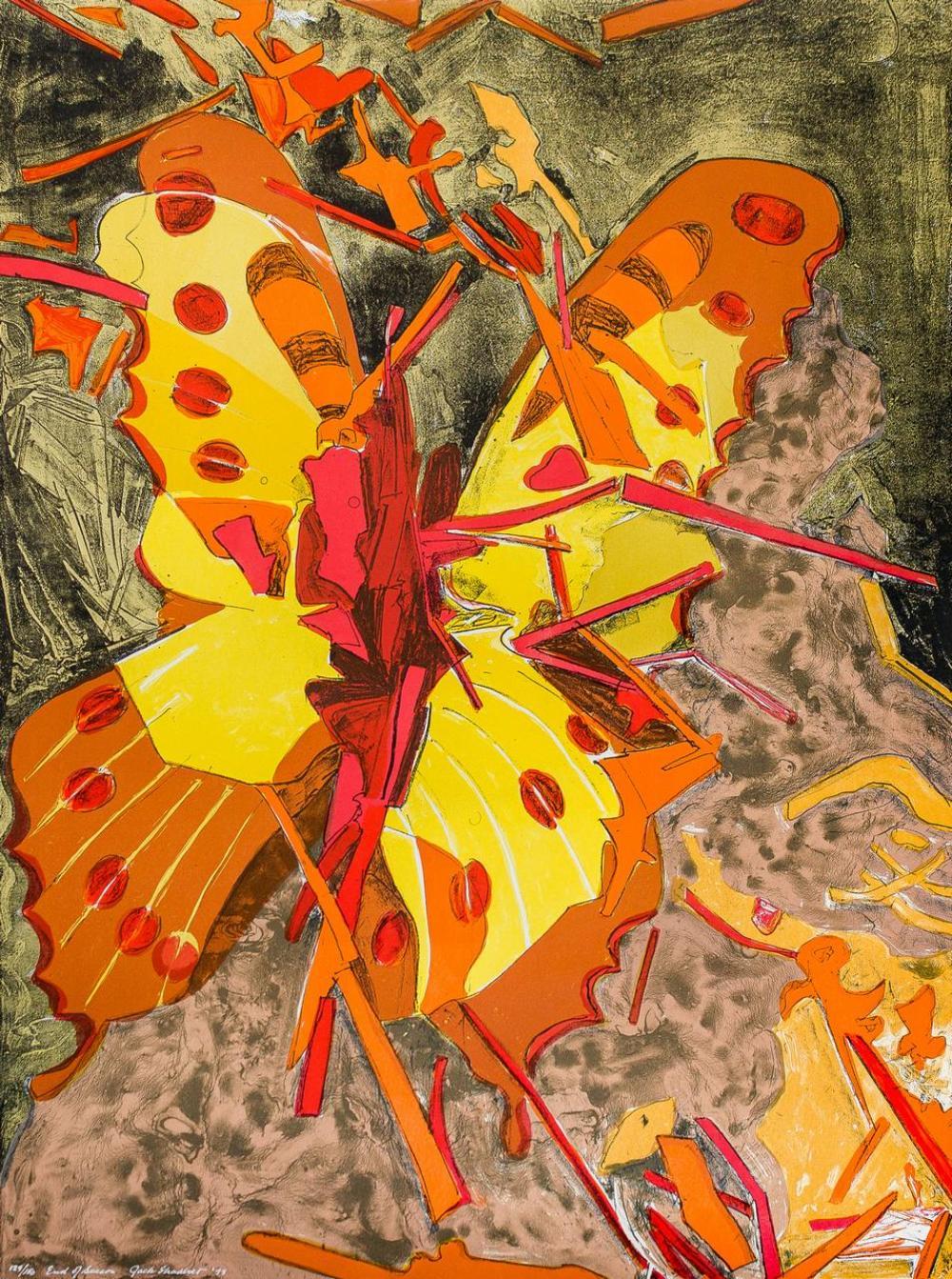
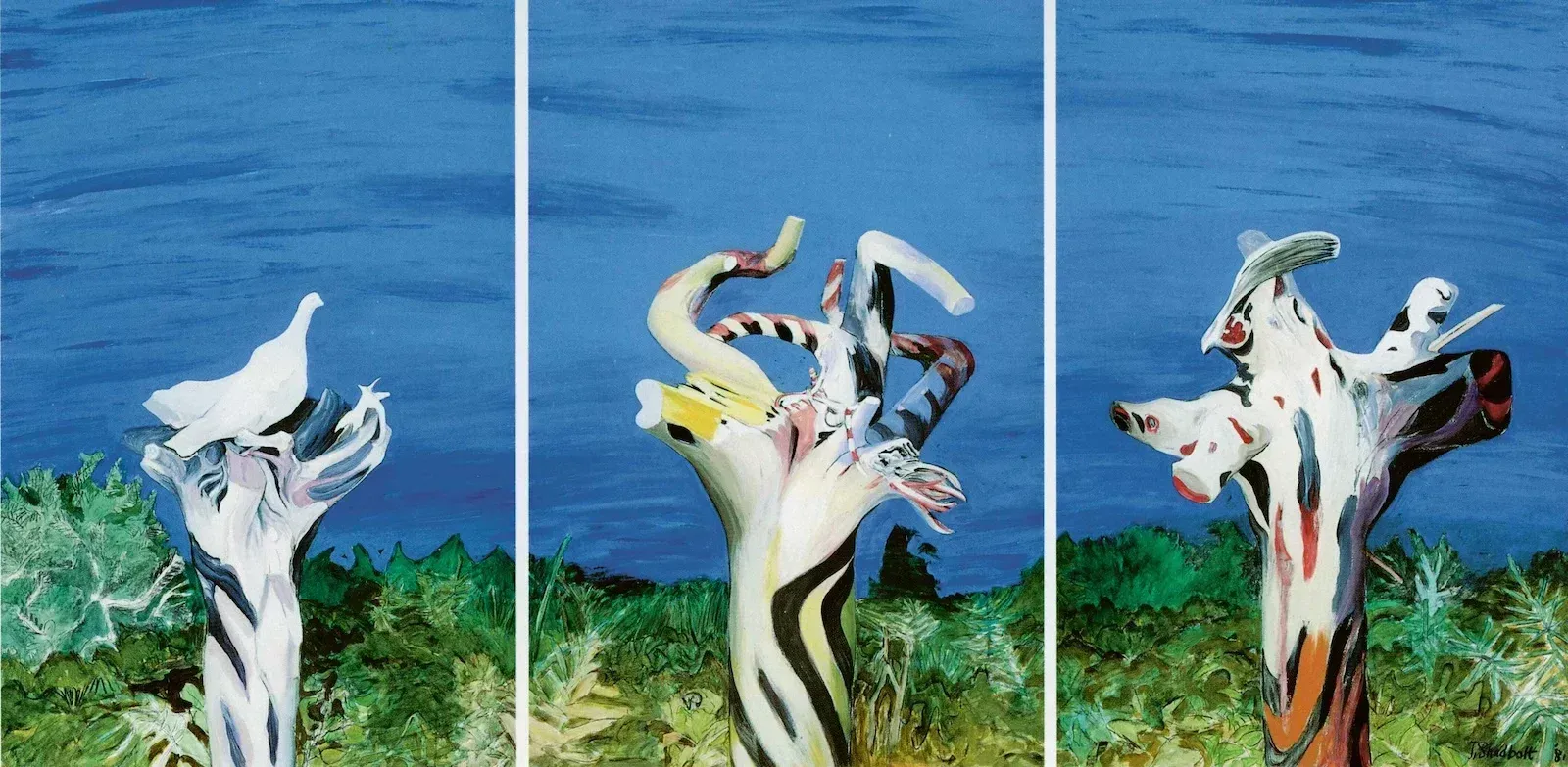
He created a pen drawing he called Night Garden Transformations, a single image that would obsess him for years. In it, forms changed into other forms: birds became other birds, flowers disappeared and emerged as butterflies, creatures lurked in grass. Over the next several years, he'd return to this image again and again, creating approximately 40 variations exploring the same themes.
"I saw the butterfly as a powerful symbol of the natural and spiritual will to survive through change and transformation"
His friend, artist Alan Wood, understood what lay beneath the brilliant colours:* "Butterflies became a metaphor for him. They expressed the fragility of life." *But there was darkness in these paintings too. In some, butterflies exploded. Trees burned. "There was an incredible foreboding to some of his work," Wood noted. The butterfly paintings made Jack Shadbolt something he'd never quite been before: popular. At Vancouver's Bau-Xi Gallery, which would eventually host 44 solo exhibitions of his work, collectors started camping overnight before openings just to secure first choice.
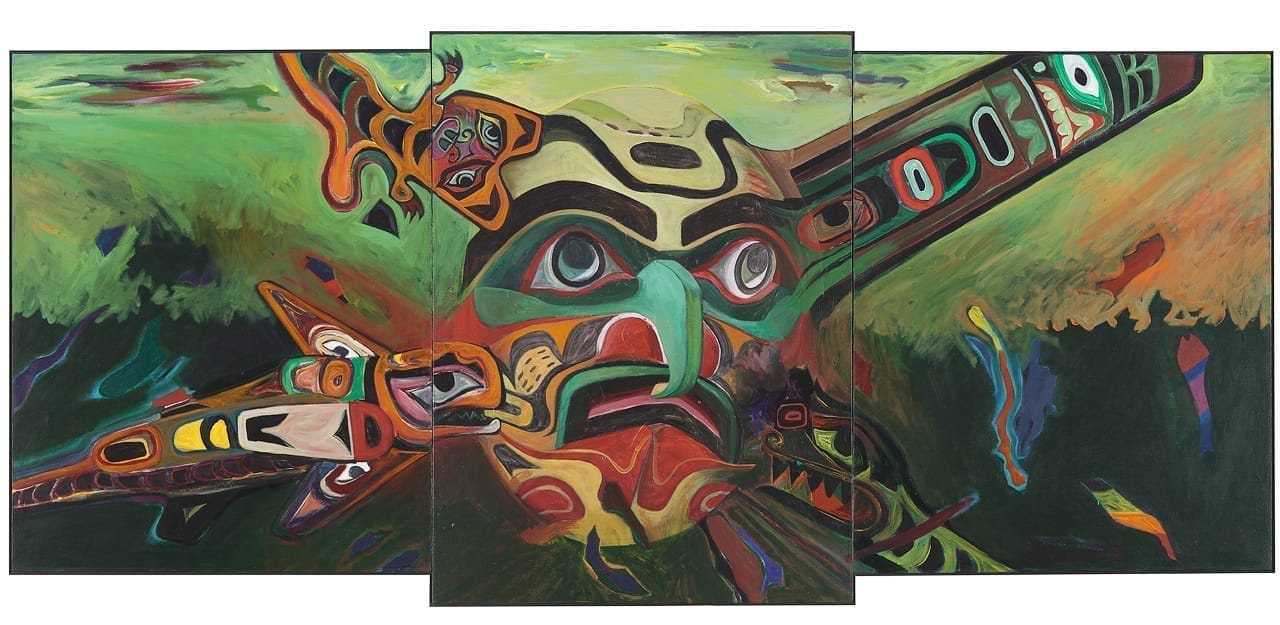
"Once it was raining, so I invited them in and they slept on the floor," recalled co-owner Xisa Huang. She'd watched many artists come and go, but Jack was different.* "His paintings really communicated to people."*
By 1984, when Metropolitan Life commissioned The Choice, his largest butterfly work, a monumental tapestry, Jack Shadbolt had become that rare thing: a critically acclaimed artist whose work ordinary people also loved.
Two lives, one partnership
Every evening, Jack and Doris would sit together over supper at their Capitol Hill home, talking. About art, about ideas, about whatever had caught their attention that day. Jack documented these conversations in his journals with obvious affection:
"In the course of these casual discussions she often reaches a stage of great fluency, which, combined with her customary lucidity of mind, is both pleasant to behold and illuminating. She has a gift for putting things succinctly without hardly even realizing the quality of what she has said."
It was an unusual marriage, even by artists' standards. Doris had become Senior Curator at the Vancouver Art Gallery, one of the most influential figures in Canadian art history, the woman who organized "Arts of the Raven" in 1967, shifting how the nation understood Indigenous art. She wrote definitive books on Emily Carr and Bill Reid. She had her own Governor General's Award.
But at home, they were simply partners in the same large endeavour. They traveled together, maintained a summer home on Hornby Island together, established VIVA (Vancouver Institute for Visual Arts) together in 1987 to give awards to emerging artists. When Jack received the Order of Canada in 1972, and later the Order of British Columbia in 1990, Doris was always beside him.
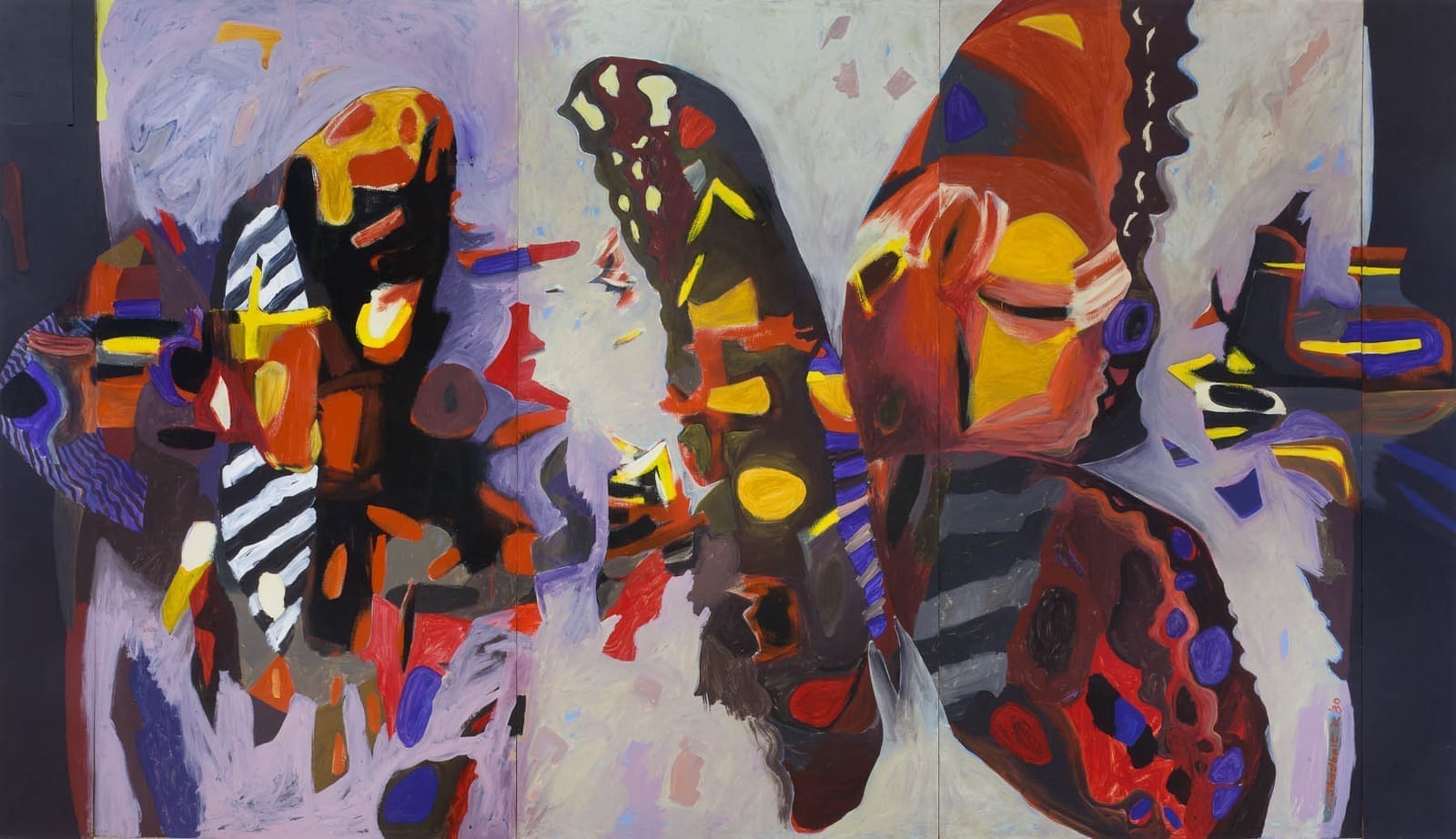
"I lean on Doris," Jack said once, and everyone who knew them understood he wasn't being modest. It was simply true.
A centre, a legacy, a name
On November 18, 1995, three years before Jack's death, Mayor Bill Copeland stood outside the arts facility at Deer Lake Park with scissors in hand. Jack and Doris Shadbolt stood beside him. The petunias were freshly planted. Visitors were already streaming toward the entrance of the 35,000-square-foot wood-and-stone building.
The mayor cut the ribbon, and the building became, officially, the Shadbolt Centre for the Arts.
Jack donated two paintings for permanent display. Heritage Burnaby's archives preserve photographs from that afternoon: Jack signing catalogues, Doris watching the crowd, both of them looking slightly overwhelmed by the honor. The renaming recognized their "lifetime of support and cultivation of the arts locally, nationally and internationally."
Today, more than 250,000 people visit the centre annually. Children learn pottery. Seniors take watercolor classes. Dancers perform. Musicians rehearse. It's exactly the kind of accessible, community-based arts space the Shadbolts believed in, a place where creativity isn't precious or exclusive, but simply part of everyday life. Three years after the ribbon-cutting, when Doris placed that hospital bed in Jack's studio and mounted Blue Breaking where he could see it, she was completing a circle. The butterflies had always been about transformation, about how beauty emerges from change, about how fragile things persist.
The work that remains
Susan Mertens, who eventually gained access to Jack's private journals and poems, discovered something that surprised her. Here was a man the public knew as confident, successful, celebrated, but the journals revealed "a private person riven by deeply conflicting tendencies and shaken by nightmares, who sought wholeness and release by transforming all of his life experience, body and soul, into expressive forms, colours, textures."
He was, she concluded, "always a work in progress."
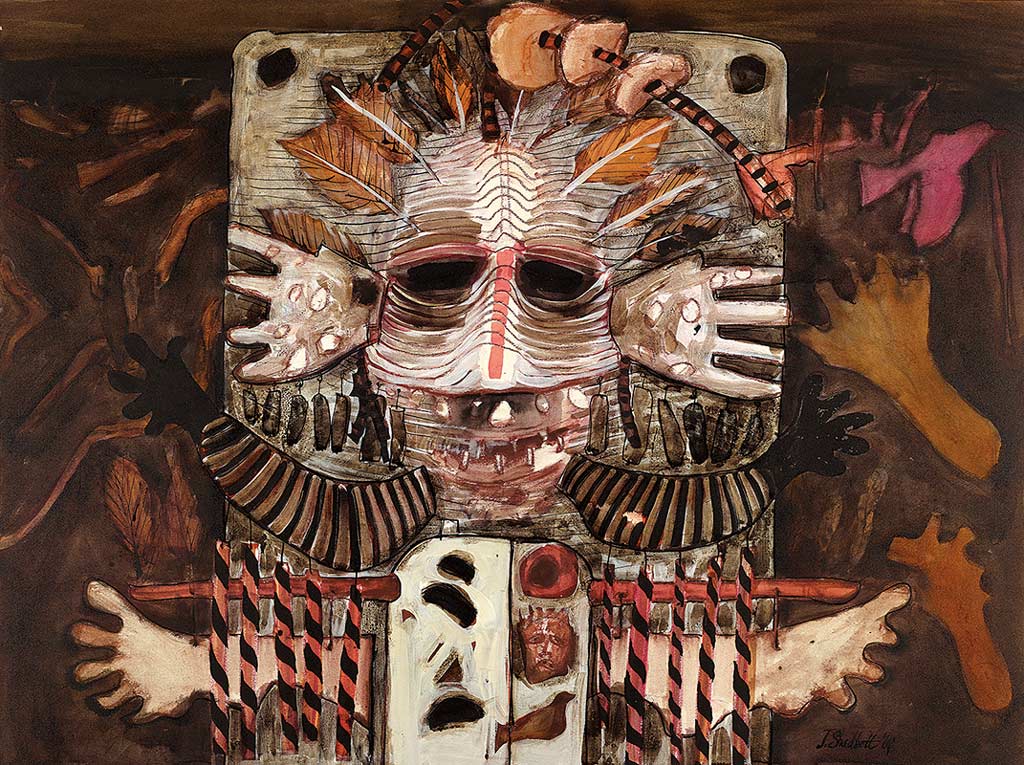
That work continues in unexpected ways. The Morris and Helen Belkin Art Gallery at UBC holds 490 digitized Shadbolt works, available for anyone to view. The Canadian War Museum preserves his Petawawa sketches. The National Gallery of Canada, the Seattle Art Museum, and dozens of other institutions safeguard his paintings.
At Simon Fraser University's Burnaby campus, the Jack and Doris Shadbolt Endowment for the Humanities funds visiting artists and writers, seeded with $3 million in 2006. A student residence tower bears their names. When people ask why, administrators explain: because the Shadbolts believed art should be part of how we learn to be human.
But perhaps the truest legacy is simpler and closer to home. Drive past the Shadbolt Centre on any given afternoon and watch people coming and going, a teenager with a guitar case, an elderly couple heading to a theater performance, a parent with a child carrying a lumpy clay sculpture wrapped carefully in newspaper.
Jack Shadbolt once wrote:*** "Art that is vital is always closest to home."***
For nearly half a century, his home was a sunny slope on Capitol Hill, a skylit studio, and a partnership with Doris that outlasted everything except death itself. The house is still there, private now, invisible to most Burnaby residents who drive past without knowing what happened inside for all those years.
When someone once challenged Jack for painting owls during the Vietnam War, his response captured everything he believed:* "In a sense everyone is the social scene. If I happen to be painting an owl, that's also a human part of it… however you paint anything, sooner or later the urgency seeps into it."*
The urgency seeped into everything. It's still there, if you know where to look. In a community arts centre. In archives and museums. In the memory of a man who died surrounded by butterflies' footprints, exactly where he wanted to be.
Contributing Writer
Brenda
Writes the literary, character-driven stories — the people and scenes that give the city its texture.
More from February 2026
Full issue →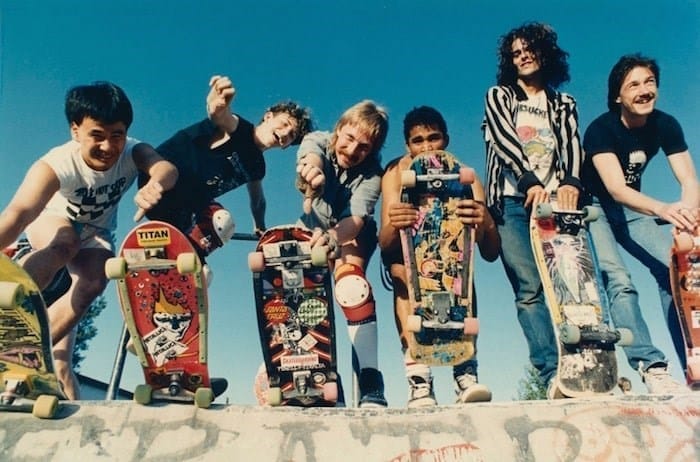
Burnaby's basement rebellion: How suburban teenagers built Vancouver's punk revolution
Canada's most influential punk scene wasn't born in gritty urban streets—it emerged from the split-level basements of Burnaby Mountain. How childhood friendships in a bedroom community produced D.O.A., The Subhumans, and the country's first indoor skatepark.
Artom Butenko · 17 min read
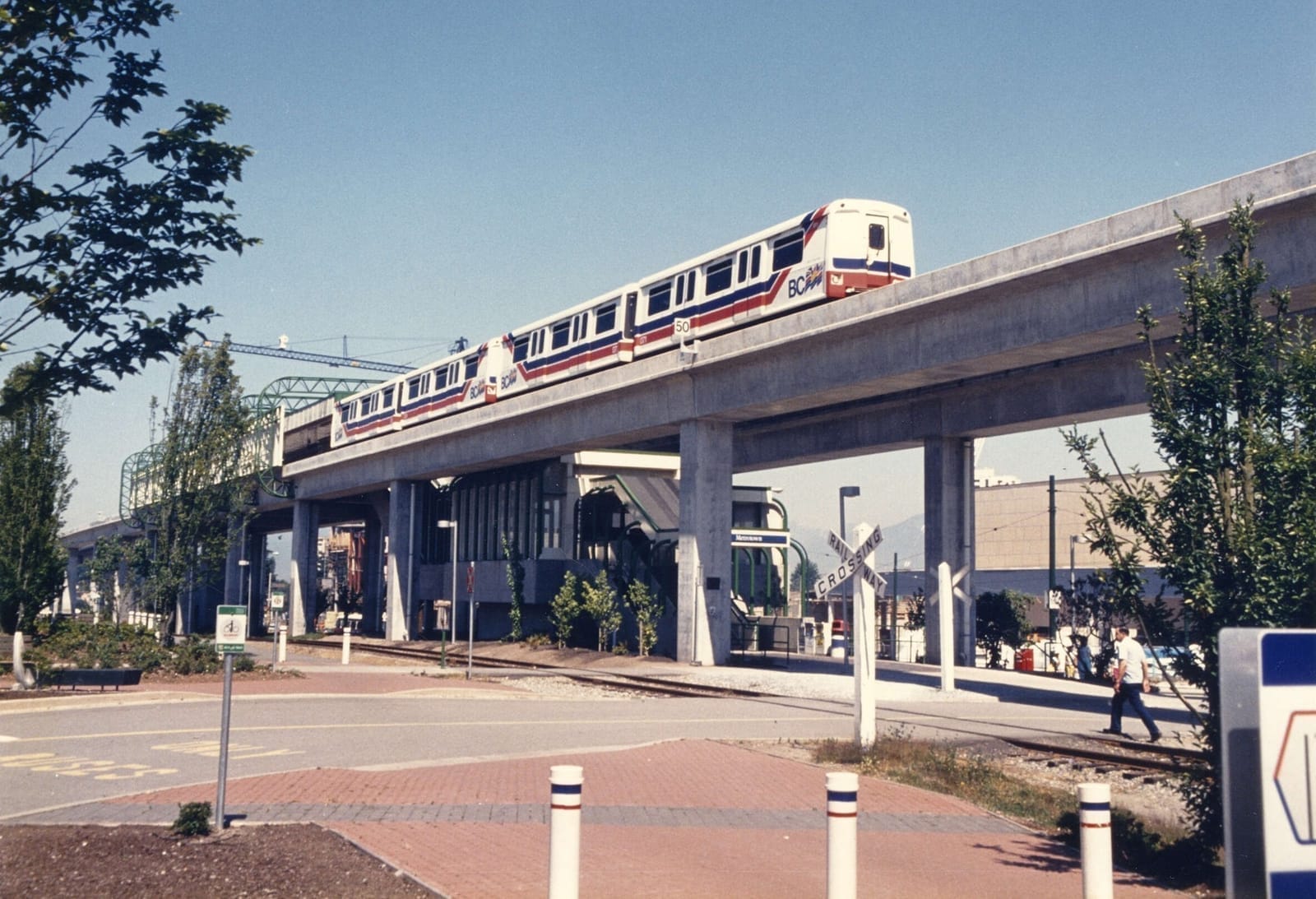
What Remains of Expo 86 in Burnaby
Forty years ago, a world's fair transformed Vancouver. But its true legacy isn't the pavilions or the fireworks. It's the concrete pillars carrying trains above Burnaby's streets every day. It's the route you may have taken this morning.
Artom Butenko · 10 min read
Hidden Green: the Stories Buried Beneath Burnaby Parks
A beaver pond that became a real estate joke. A garbage dump where children now dig for treasure. A cenotaph built by the veteran it honours. Four Burnaby parks hiding stories that never made it onto plaques.
Ilarion Bohatyrov · 11 min read